
Short Answer
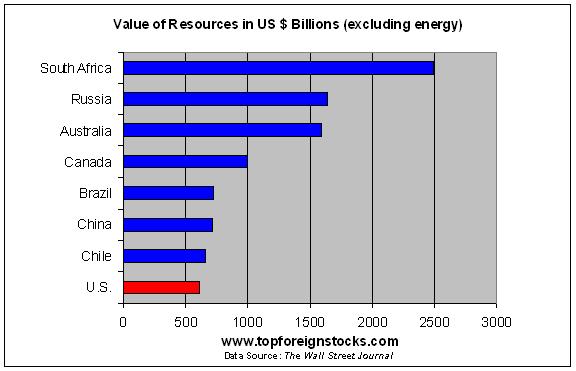
Have you ever pondered which nations reign supreme in terms of natural resources? The abundance of these resources can substantially influence a country’s economy, development prospects, and even its global standing. However, this plenitude presents a unique conundrum: while vast resources can herald prosperity, they can also breed dependency and environmental degradation. Let’s embark on a journey through the ten most resource-rich countries, including the United States, and unravel the treasures and challenges each nation faces.
1. United States
The United States stands as a colossus of natural wealth, endowed with a plethora of resources ranging from fossil fuels like oil and natural gas to precious minerals and timber. The sheer diversity of resources is astonishing; the country is a leading producer of shale oil and natural gas, significantly augmenting its energy independence. Beyond hydrocarbons, the U.S. is rich in strategic minerals such as lithium, necessary for the burgeoning tech and electric vehicle industries. Yet, the challenge looms large in managing environmental repercussions and balancing economic growth with sustainability.
2. Russia
Spanning across continents, Russia is a veritable treasure trove of natural resources. It possesses vast reserves of natural gas, holding the title of the world’s largest exporter. Additionally, the size of its mineral wealth is staggering, including gold, diamonds, and rare earth elements. However, the country faces hurdles related to export dependence, with geopolitical tensions complicating trade relationships. The strikingly beautiful yet harsh environmental realities of Siberia complicate resource extraction, raising questions about environmental management amid economic ambitions.
3. Saudi Arabia
Saudi Arabia is synonymous with oil; its vast reserves dominate both its economy and the global market. As the largest member of the OPEC cartel, the nation possesses about 18% of the world’s proven oil reserves. This resource shapes its socioeconomic structure profoundly. However, reliance on oil revenues poses significant risks, especially in an era of increasing migration towards renewable energy. The challenge lies in diversifying the economy and preserving the ecosystem of the Arabian Peninsula, which is already under stress from extraction activities.
4. Canada
Canada is blessed with abundant resources, including vast oil sands, freshwater reserves, and an astonishing array of minerals. Its oil sands in Alberta represent one of the largest reserves globally, contributing significantly to the economy. The bountiful forests and freshwater systems serve not only as natural resources but also as crucial components of biodiversity. However, Canada faces the exigent challenge of balancing resource extraction with environmental conservation, alongside addressing indigenous rights concerning land use.
5. China
A titan in the realm of natural resources, China is home to extensive coal deposits and a variety of minerals that bolster its manufacturing prowess. As the world’s largest consumer of coal, it underscores its economic engine yet concurrently grapples with severe environmental pollution and greenhouse gas emissions. The burgeoning demand for renewable energy technologies further highlights the need for strategic resource management. With its diverse array of minerals and metals, managing finite resources sustainably poses an ongoing challenge for the nation’s future.
6. Brazil
Brazil, the land of biodiversity, is rich in natural resources ranging from iron ore and gold to the Amazon rainforest’s ecological wealth. Its mineral wealth propels significant portions of its economy. The Amazon Rainforest, often referred to as the “lungs of the Earth,” offers immense ecological resources while underscoring the importance of sustainable practices. Yet, the deforestation dilemma presents a challenging paradox: how to leverage these resources without compromising the environment that harbors them?
7. Australia
Australia boasts vast mineral wealth, including iron ore, coal, and natural gas. As a leading exporter of these resources, its economy greatly depends on the mining sector. The Great Barrier Reef, while not a traditional resource in a commercial sense, offers significant ecological and tourism value, emphasizing Australia’s commitment to environmental preservation. However, the mining industry raises critical questions about ecological balance and the long-term sustainability of exploiting these vast natural treasures.
8. Venezuela
A country blessed with one of the largest oil reserves globally, Venezuela’s economy is heavily dependent on oil exports. This treasure, while significant, renders the nation vulnerable to fluctuations in oil prices. The societal challenges are exacerbated by issues of governance and economic mismanagement. The rich resources, ironically, have not translated into prosperity, underscoring the complexities of resource wealth and the challenges it often begets for developing nations.
9. Democratic Republic of the Congo (DRC)
The DRC is a veritable cornucopia of natural resources, including diamonds, gold, and cobalt—an essential ingredient in battery production. Its mineral wealth has enormous potential for development and economic growth. Nevertheless, the DRC faces profound challenges such as political instability, exploitation of resources, and social unrest. Will the immense wealth transform into a boon for the nation’s people or continue as a source of strife and inequity?
10. Indonesia
Indonesia fascinates with its rich resources, from natural gas and palm oil to timber and minerals. An emerging player in global markets, the country grapples with significant challenges stemming from deforestation and ecological degradation, largely driven by resource extraction. As it navigates its role in the international resource landscape, Indonesia must address the sustainability of its strategies while attending to the aspirations of its diverse populace.
In conclusion, while resource-rich nations have the potential for substantial growth and development, they must tread cautiously. The balance between harnessing these riches and maintaining sustainable practices is a complex and often contentious issue. These countries—each endowed with their own unique tapestry of resources—pose not just a question of wealth but also a profound challenge: how to ensure that their abundance becomes a catalyst for prosperity rather than a source of conflict and degradation. Ultimately, the true measure of success lies not only in the richness of the land but in the stewardship of its bounty for future generations.
FAQ
What defines a resource-rich country?
A resource-rich country possesses abundant natural resources such as minerals, fossil fuels, timber, and water that significantly contribute to its economy.
Why is sustainability important for resource-rich countries?
Sustainability ensures that resource extraction does not cause long-term environmental damage and that economic benefits are balanced with ecological preservation.
How do resource-rich countries diversify their economies?
Many invest in other sectors such as technology, manufacturing, and services to reduce dependence on resource exports and mitigate risks associated with commodity price fluctuations.






Leave a Reply