
Short Answer
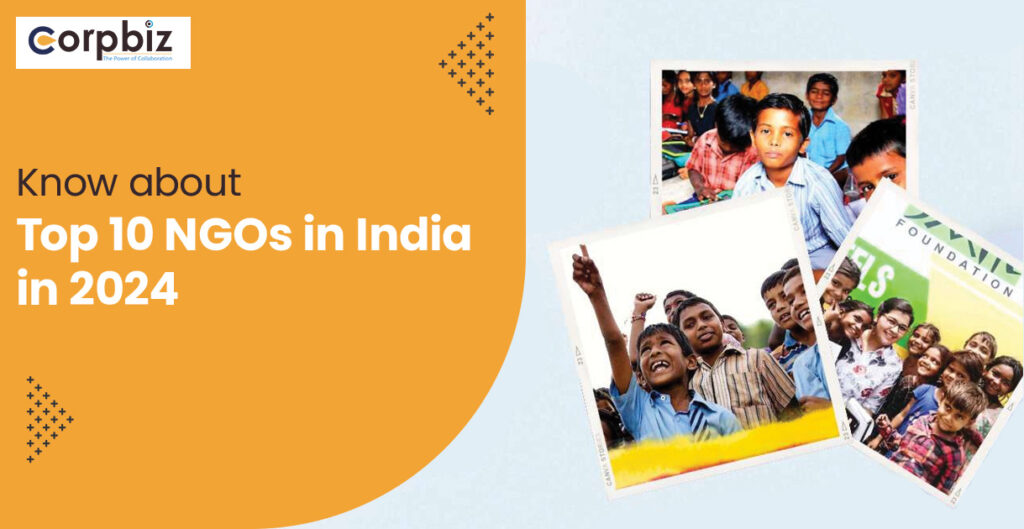
Non-Governmental Organizations (NGOs) in India have emerged as pivotal players in various sectors, addressing social injustices, environmental challenges, and public health crises. Their influence extends beyond mere charity; they champion systemic change, wielding the power to impact policy, uplift marginalized communities, and inspire collective action. This article explores the top ten most powerful NGOs in India, highlighting their contributions and the underlying motivations that drive their fervent commitment to societal betterment.
1. Tata Trusts
Tata Trusts is one of India’s oldest and largest philanthropic organizations, with a history dating back to 1892. They focus on a myriad of areas, including education, healthcare, and rural livelihoods. The organization is known for its transformational projects that have not only provided immediate relief but have also built sustainable systems that empower local communities. Their ability to navigate complex social structures facilitates impactful collaborations, fostering long-term solutions and resilience.
2. HelpAge India
Founded in 1978, HelpAge India is dedicated to the cause of the elderly. It provides essential services such as healthcare, livelihood support, and advocacy against elder abuse. The organization’s multifaceted approach includes engaging the elderly in productive activities, thereby enhancing their self-worth and dignity. By addressing the unique challenges faced by aging populations, HelpAge India has become a powerful voice for this often-overlooked demographic.
3. Pratham
Pratham has revolutionized education in India with its innovative approaches to learning and teaching. Established in 1994, the NGO focuses on ensuring quality education for underprivileged children through programs like ‘Read India’, which has dramatically improved literacy rates. Pratham’s relentless pursuit of excellence in educational standards reflects its commitment to creating a more equitable society. Their data-driven methods and creative outreach have garnered both national and international recognition.
4. Goonj
Goonj is renowned for its unique model of urban-rural engagement. This NGO addresses the issue of urban waste by transforming it into resource material for rural development. Initiatives like “Cloth for Work” not only provide essential materials for impoverished communities but also promote dignity in labor and empowerment. By connecting cities and villages through the repurposing of discarded items, Goonj exhibits the transformative power of creative solutions to pressing social issues.
5. Oxfam India
As a part of the global Oxfam confederation, Oxfam India plays a crucial role in fighting poverty and inequality. Their advocacy work in policy formulation empowers marginalized groups while their developmental programs focus on sustainable livelihoods, education, and health. Oxfam’s commitment to promoting social justice resonates deeply within the spectrum of Indian society, leveraging grassroots movements to effect change at local, regional, and national levels.
6. NGOs for the Advocacy of Women’s Rights, like SEWA
The Self Employed Women’s Association (SEWA) is a prime example of grassroots activism aimed at improving the lives of women workers in the informal sector. Established in 1972, this trade union empowers women through collective bargaining and socio-economic rights advocacy. SEWA’s holistic approach, encompassing healthcare, childcare, and financial literacy, not only uplifts women but also fortifies family units and communities. Their work highlights the necessity of gender equity in societal development.
7. Wildlife Trust of India (WTI)
WTI focuses on wildlife conservation and biodiversity protection. Engaging in a variety of initiatives, from emergency rescue operations to community-based conservation projects, WTI’s efforts aim to harmonize human and wildlife coexistence. Their comprehensive strategies encompass education, research, and policy advocacy, shedding light on environmental issues that are often overshadowed by more immediate social concerns. The organization embodies the essence of hope and advocacy in the face of ecological degradation.
8. Save the Children India
The international NGO Save the Children has made significant inroads in India since its establishment. Their multi-faceted programs focus on child protection, education, and health. Save the Children’s ability to mobilize resources and forge partnerships with governmental bodies enhances their effort to safeguard children’s rights. Their work pushes against the boundaries of systemic neglect and poverty, striving for a future where every child’s potential can be realized.
9. CRY (Child Rights and You)
CRY is dedicated to ensuring children’s rights across India, emphasizing fundamental rights to education, health, and protection from exploitation. Formed in 1979, CRY employs a comprehensive approach that includes grassroots mobilization, research, and advocacy. Their strategies create a ripple effect, altering societal perceptions of child rights and enabling communities to take action. CRY’s impactful work inspires a collective vision for a society that nurtures rather than neglects its youngest members.
10. Smile Foundation
With a focus on empowering underprivileged children and families, Smile Foundation combines education, healthcare, and livelihood programs. Founded in 2002, the organization has pioneered initiatives that emphasize sustainable development. Their integration of community participation ensures that programs are contextually relevant and widely accepted. The foundation’s commitment to holistic empowerment resonates with the growing recognition that societal challenges are interconnected and require comprehensive solutions.
In conclusion, the landscape of NGOs in India is vibrant and impactful, reflecting a diverse range of initiatives and ideologies. Each of these organizations plays a crucial role in addressing specific societal issues, demonstrating an unwavering dedication to fostering change. Their multifaceted approaches reveal the intricate tapestry of social welfare in India, emphasizing that the fight for justice and equality is both urgent and essential. As these NGOs continue to innovate and inspire, they cultivate a profound sense of hope that a better future is within reach.
FAQ
What is the main purpose of NGOs in India?
NGOs in India aim to address social injustices, improve public health, promote education, protect the environment, and empower marginalized communities.
How do NGOs influence policy in India?
Many NGOs engage in advocacy and collaborate with government bodies to influence policy changes that benefit vulnerable populations.
Are these NGOs government-funded?
While some NGOs receive government grants, most operate independently, relying on donations, grants from private entities, and international organizations.






Leave a Reply