
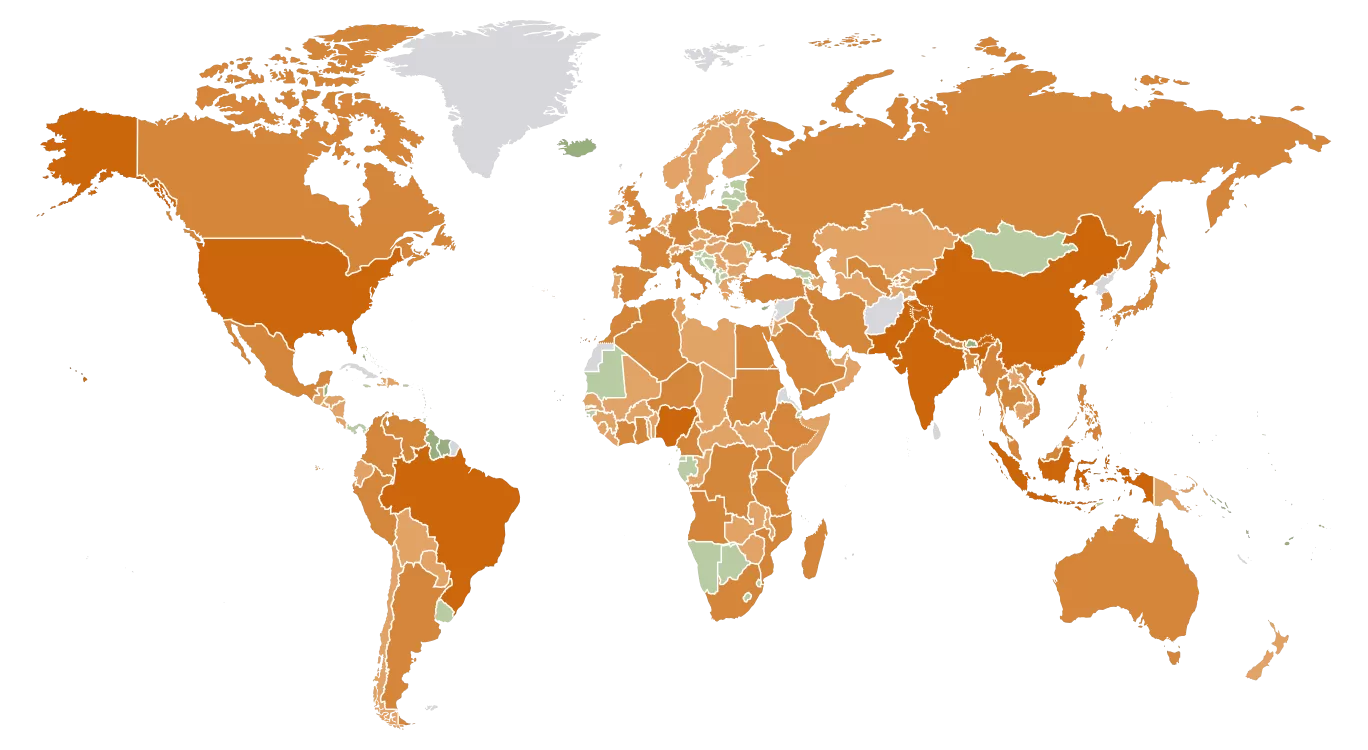
Understanding the dynamics of global population is crucial in the contemporary world context. As nations evolve economically, socially, and politically, their population size plays a pivotal role in shaping their trajectory. The following detailed exploration presents the top 10 most populated countries in the world, complete with insights and implications of their sizable demographics.
1. China
With approximately 1.4 billion inhabitants, China retains its position as the most populated country on the globe. This vast population is a tapestry of diverse ethnic groups, languages, and cultures. The sheer number of people presents immense challenges, including resource distribution, environmental sustainability, and urban planning. China’s rapid industrialization has both propelled its economy and strained its resources, prompting an ongoing dialogue on population control and environmental preservation.
2. India
Closely trailing China, India’s population also hovers around 1.4 billion. As a nation characterized by significant cultural diversity, it boasts over 2,000 distinct ethnic groups and more than 1,600 spoken languages. The youthful demographic offers potential economic advantages, but it also raises concerns about educational access, healthcare services, and job creation. The unique challenges posed by its growing population necessitate innovative governance and sustainable development strategies.
3. United States
Ranking third, the United States has a population exceeding 331 million. This diverse nation is a melting pot of cultures, driven largely by immigration. The demographic composition significantly influences the U.S. economy and cultural landscape, making it a focal point for global trends. Issues such as immigration policy and socio-economic disparities are heightened by population dynamics, representing both opportunities for growth and challenges for cohesion.
4. Indonesia
Indonesia, the largest archipelago in the world, boasts around 276 million residents. The nation is a mosaic of over 300 ethnic groups, contributing to its rich cultural heritage. With a rapidly growing middle class, Indonesia’s population growth can enhance its economic development. However, it also places considerable pressure on natural resources and infrastructure, necessitating strategic urban and environmental planning to accommodate future growth.
5. Pakistan
Home to over 225 million individuals, Pakistan ranks fifth in global population. The country faces complex challenges associated with rapid urbanization, including resource management and public service delivery. The youth population presents opportunities for economic advancement, yet it also accentuates the need for improved educational systems and job training programs. Investment in human capital is critical for harnessing the potential of its burgeoning demographic.
6. Brazil
With approximately 213 million inhabitants, Brazil is the largest country in South America. Its diverse population is marked by a rich tapestry of cultural and ethnic identities. Brazil’s demographic trends showcase a declining birthrate, coupled with an aging population, presenting challenges related to economic sustainability and healthcare. Regional disparities continue to shape socio-economic conditions, making population policy essential for fostering equitable development.
7. Nigeria
Nigeria, with a rapidly growing population of around 211 million, is the most populous country in Africa. This nation exemplifies a youthful demographic profile, which could yield significant economic growth if harnessed effectively. Nevertheless, Nigeria grapples with substantial challenges, including healthcare accessibility, educational opportunities, and governance issues. Addressing these areas is crucial for transforming its population dividend into tangible socio-economic benefits.
8. Bangladesh
Bangladesh has a population of approximately 166 million individuals. This densely populated country faces unique challenges resulting from its geographical attributes and climate vulnerability. Despite these hurdles, Bangladesh has made remarkable strides in reducing poverty and improving healthcare and education. To maintain and build on this progress, effective population management policies are imperative.
9. Russia
Russia’s population sits around 146 million, making it the largest country by landmass yet exhibiting a relatively low population density. The demographic trends in Russia indicate an aging population and declining birthrate, which may lead to significant socio-economic ramifications in the future. Addressing these demographic shifts, alongside migration policies, will be essential for sustaining its economic vitality and cultural heritage.
10. Mexico
Mexico rounds out the top ten, with a population of approximately 126 million. Rich in cultural heritage and biodiversity, Mexico must navigate a myriad of challenges related to urbanization, economic inequality, and health services. The young population provides opportunities for innovation and economic growth, but it also necessitates comprehensive strategies to ensure access to education and employment opportunities.
As the global landscape continues to evolve, understanding these populous nations informs discussions about sustainability, economic growth, and social cohesion. The interplay of demographics, resources, and policies will undoubtedly shape our interconnected future. Through informed strategies and innovative solutions, these countries can harness their population potential to foster growth and stability in an ever-changing world.









Leave a Comment