
Short Answer
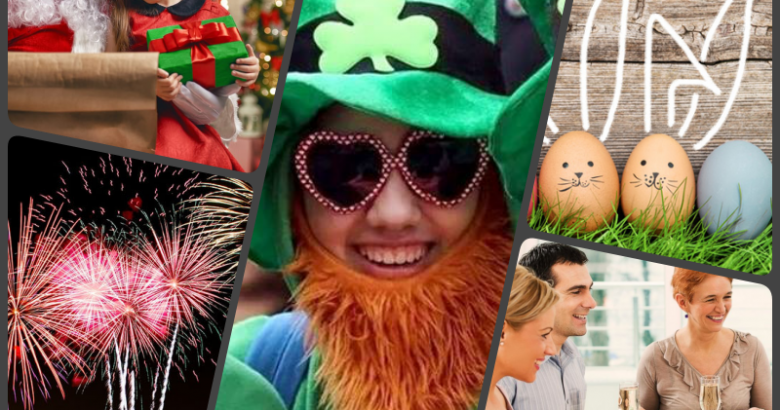
Holidays serve as a vital conduit for cultural expression and social bonding, transcending geographical and cultural boundaries. Different countries and regions celebrate a plethora of holidays, each rich in tradition and historical significance. Exploring these festivities unravels the fascinating tapestry of human experience, showcasing our shared joys and diverse customs. In this article, we delve into the top ten most popular holidays around the globe, illuminating their unique characteristics and the myriad ways they are celebrated.
1. Christmas
Christmas is undoubtedly one of the most widely celebrated holidays worldwide, observed on December 25th. Rooted in Christian tradition, this day commemorates the birth of Jesus Christ. Celebrations often begin well in advance, with the Advent season marked by festive decorations, Christmas markets, and the ubiquitous presence of Santa Claus. Families gather to exchange gifts, partake in sumptuous feasts, and engage in charitable activities. The holiday is characterized by iconic symbols—Christmas trees, nativity scenes, and strings of twinkling lights that adorn homes, creating a magical atmosphere during the winter months.
2. Diwali
Known as the Festival of Lights, Diwali is a significant Hindu holiday celebrated by millions across India and beyond. Occurring in late October or early November, this five-day festival signifies the victory of light over darkness and good over evil. Homes are illuminated with oil lamps (diyas) and vibrant decorations, symbolizing hope and renewal. Families perform rituals, exchange sweets, and attend community events. Each day has its unique significance, from Lakshmi Puja, honoring the goddess of wealth, to Bhai Dooj, celebrating the bond between brothers and sisters.
3. Lunar New Year
The Lunar New Year, also referred to as the Chinese New Year, is a festival celebrated in various East Asian countries, including China, Vietnam, and South Korea. Falling between January 21st and February 20th, this vibrant holiday heralds the arrival of spring and is steeped in traditions that date back thousands of years. Celebratory events include family reunions, elaborate feasts featuring symbolic dishes, and the lively dragon and lion dances. The festival is marked by the exchange of red envelopes filled with money, signifying good fortune and prosperity for the coming year.
4. Eid al-Fitr
Eid al-Fitr, also known as the Festival of Breaking the Fast, is one of the two major Islamic holidays celebrated by Muslims worldwide. It signifies the conclusion of Ramadan, the holy month of fasting. On this festive day, communities come together to express gratitude to Allah and engage in communal prayers, followed by celebrations that include feasting and giving to charity (Zakat al-Fitr). Families don new clothes and often visit the graves of loved ones to honor their memory. The culinary highlights of Eid feature an array of delectable sweets and traditional dishes, showcasing the region’s culinary prowess.
5. Thanksgiving
Thanksgiving is a cherished holiday primarily celebrated in the United States and Canada, rooted in the tradition of expressing gratitude for the harvest. Thanksgiving Day, observed on the fourth Thursday of November in the U.S. and the second Monday of October in Canada, typically involves a grand feast centered around turkey, cranberry sauce, and pumpkin pie. Families and friends gather to share stories and reflections, emphasizing themes of gratitude and togetherness. The holiday also gives rise to an array of time-honored activities, including the Macy’s Thanksgiving Day Parade and football games.
6. Hanukkah
Hanukkah, also known as the Festival of Lights, is an eight-day Jewish holiday commemorating the rededication of the Second Temple in Jerusalem. It usually occurs in December and involves lighting the menorah, a nine-branched candelabrum. Each night, an additional candle is lit, symbolizing the miracle of the oil that lasted eight days. Families gather to recite prayers, spin dreidels, and indulge in traditional foods such as latkes and sufganiyot (jelly-filled doughnuts). This festival embodies themes of resilience, faith, and celebration of Jewish identity.
7. Halloween
Halloween, celebrated on October 31st, is a festival rooted in ancient Celtic traditions, particularly the Samhain festival, marking the end of harvest season. Known for its spooky ambiance, Halloween has evolved into a celebration characterized by costume parties, trick-or-treating, and haunting decorations. Children and adults alike don creative costumes, ranging from whimsical to terrifying, while communities host haunted houses and pumpkin-carving contests. The day serves as a delightful mingling of frightful and festive elements, inviting revelry as night falls.
8. Holi
Holi, often referred to as the Festival of Colors, is a widely celebrated Hindu spring festival that signifies the arrival of the season of love and the triumph over evil. Observed in India and Nepal, Holi typically takes place in March. The festival involves playful throwing of colored powders and water, symbolizing joy and the vibrancy of life. Families prepare traditional sweets and engage in lively gatherings, singing and dancing. Holi transcends the boundaries of caste and creed, promoting harmony and unity within communities.
9. Independence Day (USA)
Independence Day, celebrated on July 4th, marks the anniversary of the adoption of the Declaration of Independence in 1776. This patriotic holiday is a celebration of freedom and national pride, characterized by fireworks displays, parades, and barbecues across the United States. Communities unite to honor their shared history and values, often highlighted by ceremonies and speeches. The sparkle of fireworks illuminating the night sky serves as a poignant reminder of the sacrifices made for independence and the continuing quest for liberty.
10. Carnival
Carnival is a dynamic and exuberant festival celebrated in numerous cultures, most famously in Brazil and the Caribbean. This pre-Lenten celebration culminates in a euphoric series of parades, elaborate costumes, and vibrant music. In Brazil, the Rio Carnival is a spectacle, showcasing samba schools competing for glory through elaborate floats and dance performances. The festival embodies a spirit of community, creativity, and togetherness, drawing people together in a joyous expression of cultural identity.
In conclusion, the diverse array of popular holidays worldwide captures the essence of human culture and the universal desire for connection, celebration, and remembrance. Each holiday encapsulates a unique narrative and fosters communal ties, enriching the global tapestry of human expression. As we navigate these traditions, let us appreciate the vibrant cultural nuances that define each celebration, fostering a deeper understanding of our shared humanity.
FAQ
What are the most popular holidays celebrated worldwide?
The most popular holidays worldwide include Christmas, Diwali, Lunar New Year, Eid al-Fitr, Thanksgiving, Hanukkah, Halloween, Holi, Independence Day (USA), and Carnival.
Why are holidays important across cultures?
Holidays serve as vital conduits for cultural expression, social bonding, and the celebration of shared values, traditions, and histories within communities.
When is Diwali celebrated?
Diwali is celebrated in late October or early November and lasts for five days.
What is the significance of Eid al-Fitr?
Eid al-Fitr marks the end of Ramadan, the Islamic holy month of fasting, and is celebrated with prayers, feasting, and charitable acts.
How is Lunar New Year celebrated?
Lunar New Year is celebrated with family reunions, symbolic foods, dragon and lion dances, and the giving of red envelopes to symbolize good fortune.




Leave a Reply