
Short Answer
Air pollution remains a pressing issue in many regions across the United States, affecting both public health and environmental integrity. While one may think that pollution is predominantly an urban challenge, it entails a more complex matrix of factors, often leading to less-than-expected cities topping the list of the most polluted locales. The interplay of industrial activity, vehicle emissions, geographic features, and even socioeconomic dynamics contribute to this somber ranking. Below is a closer examination of the top ten most polluted cities in America, providing an insight into the multifaceted reasons behind their placement.
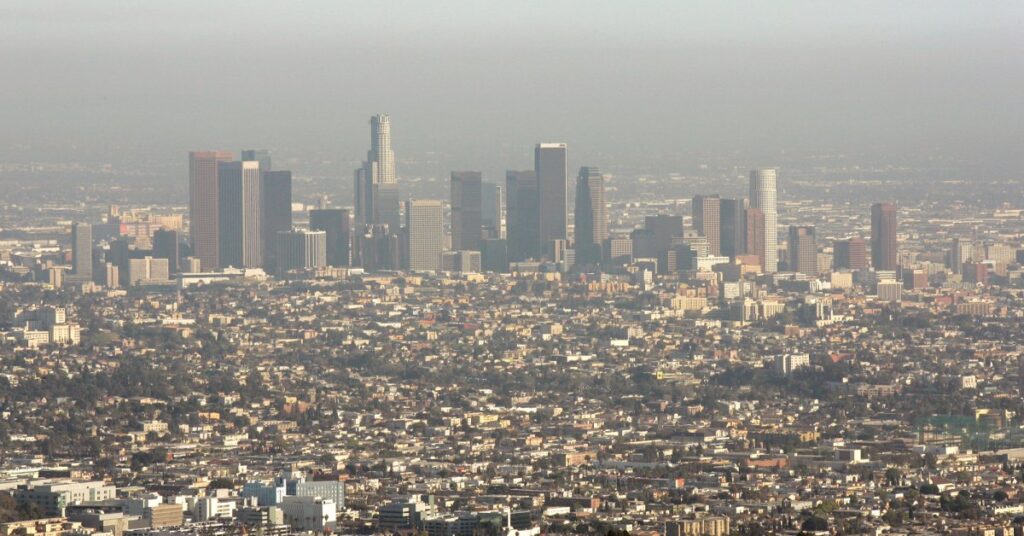
1. Los Angeles, California
Often touted for its sunny skies and palm-lined boulevards, Los Angeles paradoxically grapples with some of the worst air quality in the nation. The city’s sprawling layout and high population density result in significant vehicular emissions that contribute to its notorious smog. Surrounded by mountains, pollution becomes trapped, creating a persistent atmospheric haze. Additionally, ongoing construction and industrial activities exacerbate the situation, making LA a quintessential example of pollution amidst urban allure.
2. Bakersfield, California
Nestled in California’s San Joaquin Valley, Bakersfield presents a stark illustration of agricultural and industrial pollution. Its geography, characterized by low-lying areas, facilitates the accumulation of particulate matter and ozone. The blending of diesel emissions from heavy agricultural machinery and oil extraction processes further underscores the city’s pollution predicament, rendering it one of the most difficult environments for lung health in America.
3. Fairbanks, Alaska
At first glance, Fairbanks may seem like an unlikely contender in the pollution rankings, but the city experiences extreme levels of particulate matter, particularly during winter. Residential heating methods—such as wood-burning stoves—coupled with stagnant air conditions contribute to an alarming increase in air pollution. This juxtaposition of pristine landscapes and pollution speaks to the broader implications of energy consumption in remote areas.
4. Phoenix, Arizona
Phoenix, with its sprawling desert landscape, faces significant challenges related to air quality due to overwhelming heat and stagnant air. The city’s rapid growth and urbanization have intensified emissions from transportation and industrial sources. Additionally, dust storms frequently traverse the region, launching particulate matter into the atmosphere and further diminishing air quality. The combination of human activity and natural phenomena creates a precarious balance for Phoenix residents.
5. San Bernardino, California
San Bernardino, located in the heart of California’s Inland Empire, is beleaguered by air pollution largely due to heavy traffic and industrial operations. The city’s position within a valley means that pollutants often linger, resulting in significant ozone levels. As a hub for logistics and manufacturing, the environmental costs of economic activities raise pertinent questions about the trade-off between development and public health.
6. Midland, Texas
Midland belongs to the oil-rich Permian Basin, where economically beneficial activities correlate with elevated pollution levels. The explosive growth of oil extraction and processing has introduced various harmful pollutants into the air, including volatile organic compounds. This duality of economic prosperity and environmental degradation highlights a critical dilemma shaping the region’s future, forcing inhabitants to confront the consequences of resource exploitation.
7. Richmond, California
Richmond’s proximity to large refineries significantly contributes to its air pollution profile. The city’s industrial landscape exposes residents to disproportionate levels of particulate matter and toxic emissions. Historical struggles related to environmental justice have sparked activism aimed at reducing the public health impacts faced by community members, showing the vital interplay between pollution and social equity.
8. Detroit, Michigan
Once a beacon of American industry, Detroit has faced a complex legacy of pollution. The decline of manufacturing has left behind environmental challenges, where legacy pollutants linger in the air and soil. The transition to a post-industrial economy necessitates innovative approaches to remediation, as air quality remains compromised by emissions from remaining industries and vehicular traffic.
9. Newark, New Jersey
Newark grapples with an acute pollution problem exacerbated by its dense population and proximity to major transportation networks. The urban environment is marred by high levels of smog, largely a byproduct of automobile exhaust and industrial operations. As a historically marginalized community, residents contend with health disparities that arise from environmental inequities, spotlighting the pressing need for sustainable urban development practices.
10. Baltimore, Maryland
Baltimore’s air quality suffers from a confluence of factors, with transportation emissions and industrial activities significantly impacting the environment. This revelation underscores a broader trend in many urban areas—where the vital role of public transit, land use planning, and pollution control measures become critical in addressing the perils of deteriorating air quality. Ongoing efforts toward sustainability highlight the potential for transforming polluted urban landscapes into healthier living conditions.
In summation, examining the most polluted cities in America reveals a complex tapestry woven from industrial activities, geographic peculiarities, and socioeconomic factors. Each city encompasses its unique circumstances, pondering the broader implications of environmental resilience and health equity. The nexus between urban living and air quality serves as a stark reminder that addressing pollution requires concerted efforts, advocacy, and innovative solutions to pave a cleaner and more sustainable future for all. As communities continue to grapple with these challenges, the pursuit of balanced development may well dictate the trajectory of America’s urban environments in years to come.
FAQ
What are the main sources of air pollution in American cities?
The main sources include vehicle emissions, industrial activities, construction, and natural factors such as dust storms.
Why do geographic features impact pollution levels?
Geographic features like valleys and mountains can trap pollutants, preventing their dispersion and leading to higher pollution concentrations.
How does air pollution affect public health?
Air pollution can cause respiratory problems, worsen asthma, contribute to heart disease, and increase mortality rates.
Which city is known for having some of the worst smog in the US?
Los Angeles is well-known for its persistent smog caused by vehicle emissions and geographic factors.
Are there measures to reduce pollution in these cities?
Yes, measures include stricter emissions regulations, promoting public transportation, green energy initiatives, and community activism.
Leave a Reply