
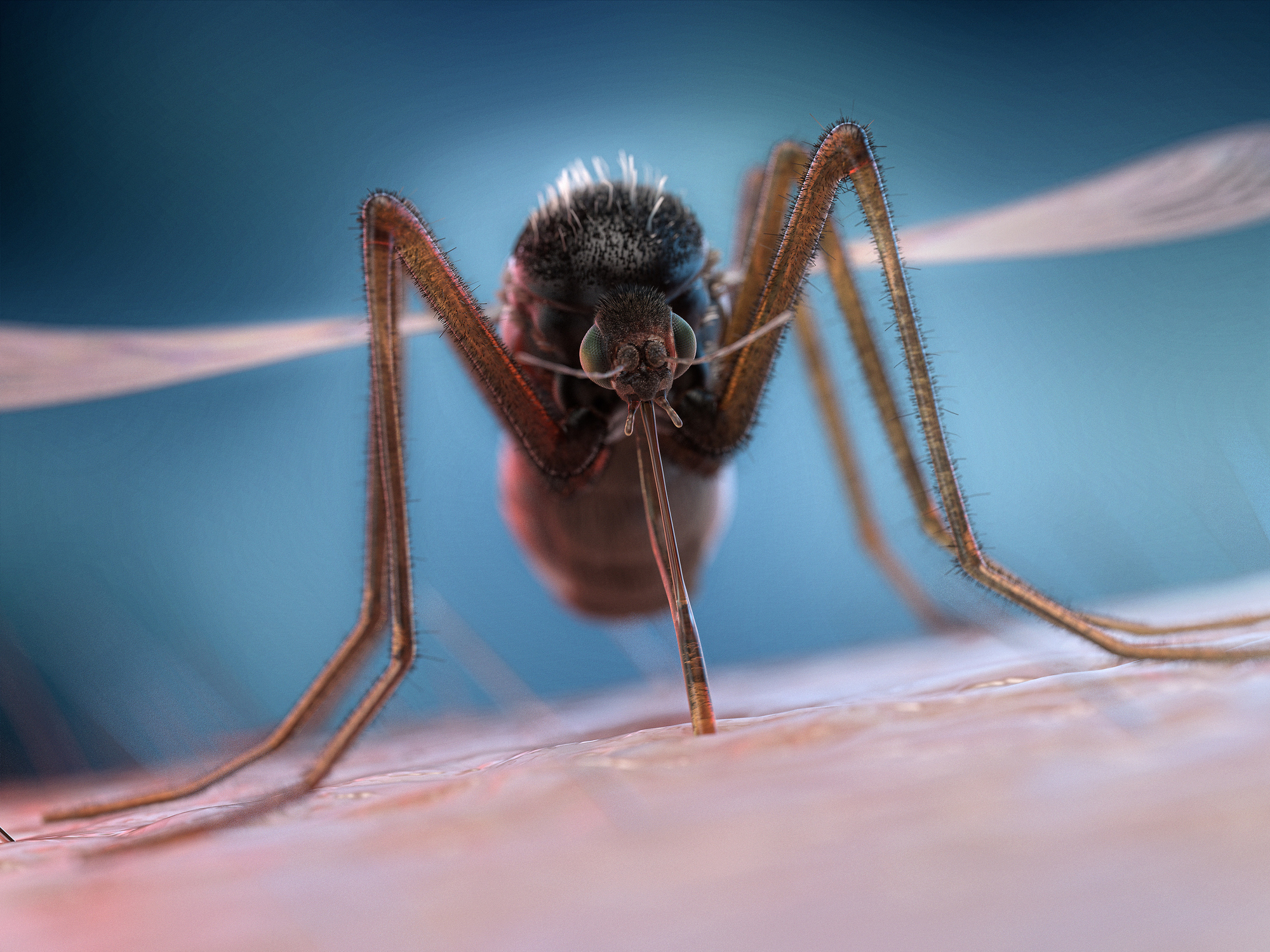
When one hears the word “poisonous,” it often conjures images of exotic creatures lurking in dense jungles or vivid patterns pulsating through vibrant flowers. However, the truth is that some of the most dangerous beings inhabit the relatively humble domain of insects. These small yet formidable entities are equipped with sophisticated biological mechanisms that deliver toxins, capable of inflicting harm far exceeding their size. This exploration of the top 10 most poisonous insects on Earth promises to shift your perspective on these oft-overlooked creatures, revealing the fascinating complexity and adaptability of life.
1. The Fire Ant
Fire ants are notorious for their aggressive behavior and painful stings, which they inflict with startling precision. Their venom contains a cocktail of alkaloids, with solenopsin being the most significant. The resulting pain is immediate and can be intense, often likened to that of a burning sensation—which explains their name. Beyond mere discomfort, stings can cause allergic reactions in susceptible individuals, occasionally leading to anaphylaxis. These ants are often found in warm regions worldwide, remarkably combining social structure with a potent defense mechanism.
2. The Blister Beetle
Within the realm of beetles, the blister beetle reigns supreme with its potent toxin, cantharidin. This chemical is notorious for causing blisters upon contact with skin, hence the name. When ingested, cantharidin can lead to severe gastrointestinal disturbances and even kidney damage. Surprisingly, these beetles can often be found in gardens, where they feast on flowers. Their vibrant colors serve as a warning—an evolutionary adaptation that signals potential threats to predators.
3. The Cone Snail
While not classified strictly as an insect, the venomous cone snail deserves a mention due to its significant toxicity. Native to tropical and subtropical waters, these snails possess a harpoon-like structure that delivers a cocktail of neurotoxins capable of paralyzing prey almost instantaneously. The severity of their venom can lead to paralysis or even death in humans, highlighting the danger of these seemingly innocuous creatures. They effectively illustrate how beauty can often hide lethal secrets beneath the surface.
4. The Asian Giant Hornet
The Asian giant hornet, or Vespa mandarinia, is alarmingly adept at inflicting harm. Their stings contain a mix of potent venom, including components that can destroy tissue and trigger severe allergic reactions. Each sting is excruciatingly painful—some describe it as the worst pain known to man. As a social insect, they can attack in swarms, posing a significant risk to unsuspecting victims. These hornets paint a vivid picture of the balance between nature’s marvels and the risks they entail.
5. The Bullet Ant
Famed for possessing one of the most agonizing stings in the animal kingdom, the bullet ant’s venom contains alkaloids that generate excruciating pain, compared to being shot—hence the name. The sting can incite a debilitating reaction, leading to intense suffering that can last for hours. Found in the rain forests of Central and South America, these ants are shadows of intimidation, and yet they thrive in their lush sub-tropical habitats, seamlessly weaving their resilience into the biosphere.
6. The Marbled Cone Snail
Another member of the cone snail family, the marbled cone snail harbors a cocktail of venomous compounds that can incapacitate prey within seconds. Its unique method of predation involves utilizing its radula—a tooth-like structure—to puncture its prey before injecting venom. When addressing human encounters, the venom can induce respiratory failure, showcasing not only its efficiency as a predator but also its treachery towards larger adversaries. Marbled cone snails epitomize the importance of cautious engagement with seemingly benign marine life.
7. The Sydney Funnel-Web Spider
This Australian native is not an insect but is noteworthy, primarily due to its highly toxic venom that can cause serious muscle spasms and even death. The funnel-web spider is aggressive and possesses fangs capable of penetrating fingernails. These spiders are a testament to the evolutionary arms race found in diverse ecosystems; their venom evolved dramatically to fend off threats while incapacitating prey efficiently. The complexity of their venom can bewilder even seasoned arachnologists.
8. The Ant Mimicking Spider
Found lurking in various ecosystems, the ant-mimicking spider is an expert predator, camouflaging itself as a harmless ant to approach and incapacitate its prey. While these spiders utilize venom to subdue their victims, it is their adaptation skills that showcase the cunning brilliance of nature. With their striking resemblance to ants, these creatures evoke curiosity and intrigue. Their venom, stealth, and disguise resonate harmoniously in the cycle of predation.
9. The Yellow Sac Spider
The yellow sac spider may not be the largest or most menacing, yet its venom can cause substantial distress, swelling, and in some cases, necrosis. Found in gardens and fields, these spiders capitalize on their silk sacs for protection as they hunt at night. Their potency remains somewhat understated, yet illustrates the delicate line between menace and benignity in the environment.
10. The Mosquito
Lastly, though they are more infamous as vectors of disease rather than direct toxicity, the female mosquito’s bite transmits viruses and parasites, causing millions of deaths worldwide. Responsible for diseases such as malaria and dengue fever, they serve as a grim reminder that toxicity can extend beyond immediate physical harm. Encountering these delicate-looking pests underscores the interconnectedness of ecosystems and the precarious nature of human health.
The world of poisonous insects is a mesmerizing realm filled with danger wrapped in beauty. Each creature plays a crucial role in its ecosystem, often serving as essential players in the delicate balance of life. These miniaturized gladiators remind us that even the smallest of beings harbor immense power. Moving forward, one must tread cautiously and with curiosity when exploring the natural world, as it continually unfolds its secrets, revealing the intricate tapestry of life that surrounds us.











Leave a Comment