
From the grandeur of the Amazon rainforest to the arid expanses of the Sahara, Earth is teeming with organisms—many of which possess biochemical weapons that render them among the most poisonous creatures known to humanity. The sheer variety and tenacity of these life forms provoke a blend of repulsion and sheer fascination; there exists a certain allure in their lethal capabilities and adaptations. The intricate relationships they share with their ecosystems provide a tapestry of survival strategies that prompt awe, caution, and curiosity. Here, we explore the top 10 most poisonous creatures on Earth, illuminating the scientific marvels and perilous implications of their toxicity.
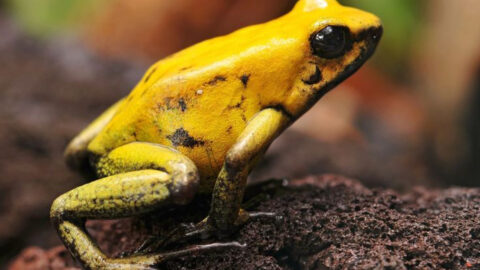
1. Golden Poison Dart Frog (Phyllobates terribilis)
This diminutive amphibian, indigenous to Colombia, boasts one of the most potent toxins in the animal kingdom. The golden poison dart frog carries batrachotoxin, a substance so deadly that just a single milligram can kill a human. The inhabitants of the region have historically used the frog’s skin to poison the tips of their blow darts, hence the name. Its vibrant coloration serves as a warning to potential predators, showcasing nature’s tendency to pair beauty with danger.
2. Inland Taipan (Oxyuranus microlepidotus)
Arguably the most venomous snake in the world, the inland taipan is native to Australia. Its venom is a complex cocktail containing neurotoxins and hematoxins, capable of killing a full-sized adult in less than an hour. Intriguingly, despite its fearsome reputation, the inland taipan is remarkably reclusive and rarely encountered by humans, underscoring a striking paradox of nature: the deadliest threats often prefer avoidance over confrontation.
3. Box Jellyfish (Chironex fleckeri)
Caught in the currents of northern Australian waters, the box jellyfish epitomizes the terror of oceanic venom. Its tentacles are lined with specialized cells called nematocysts that can deliver venom potent enough to cause heart failure in mere minutes. Known as one of the most venomous marine animals, its transparent, cube-like structure is an adaptation that conceals it from potential predators—and humans. Species like this remind us of the unseen dangers lurking beneath the water’s surface.
4. Stonefish (Synanceia)
Blending seamlessly into their environment, stonefish are the masters of camouflage. With a venomous spine that can inject a potent neurotoxin, these fish are an aquatic menace to unsuspecting swimmers. The pain inflicted by their sting is excruciating, and in severe cases, can lead to respiratory failure or death. Stonefish embody the adage “don’t judge a book by its cover,” as their unassuming appearance belies their lethal prowess.
5. Blue-Ringed Octopus (Hapalochlaena)
A marine marvel known for its iridescent blue rings, the blue-ringed octopus is a captivating yet deadly creature. Its venom contains tetrodotoxin, a substance far more lethal than cyanide. This tiny octopus packs a punch, capable of causing paralysis within minutes, leading to respiratory failure or death if not treated promptly. The juxtaposition of its enchanting coloration with lethal capability captivates admirers and researchers alike, calling attention to the complexities of marine biodiversity.
6. Puff Adder (Bitis arietans)
This heavy-bodied snake’s reputation stems from its potent venom, which is primarily cytotoxic and can cause extensive tissue damage. Found across Africa, the puff adder is responsible for a significant number of snakebite fatalities on the continent due to its wide distribution and tendency to lie motionless as a defense mechanism. Its success in the wild raises questions about evolutionary strategies in survival—showcasing patience as an oft-overlooked virtue of danger.
7. Cone Snail (Conus)
Cones are among the most beautiful shells in the ocean, yet within their stunning exteriors lies a highly sophisticated venom delivery system. Their venom, capable of paralyzing prey instantly, consists of hundreds of different compounds—some still being studied for potential medical applications. This fascinating duality of aesthetic allure and deadly capability piques intrigue, reminding us of the hidden depths of evolution and adaptation.
8. Africanized Honey Bee (Apis mellifera scutellata)
Often referred to as “killer bees,” Africanized honey bees possess a ferocious defensive mechanism. While they are not intrinsically more venomous than regular honey bees, their aggressive behavior can lead to swarming attacks. Their relentless nature captivates scientists studying behavioral ecology, revealing insights into social dynamics within and among species, while simultaneously instilling dread in those who encounter their colonies.
9. Fugu (Pufferfish)
Fugu, a delicacy in Japanese cuisine, is infamous not merely for its flavor but for its potential lethality. The fish contains tetrodotoxin in its organs and skin, rendering improper preparation potentially fatal. The cultural significance of fugu highlights an intersection of culinary artistry and peril, demonstrating a complex relationship humans have developed with toxins—a dance between danger and delight.
10. Deathstalker Scorpion (Leiurus quinquestriatus)
A hallmark of desert ecosystems, the deathstalker scorpion bears a potent venom that targets the nervous system. Although rarely lethal to healthy adults, its sting can cause extreme pain and paralysis, making it a subject of fascination for researchers exploring pain mechanisms. The intricate balance of venom’s properties poses questions about its evolutionary purpose as well as its potential therapeutic applications.
The trove of poisonous creatures inhabiting our planet is boundless—each a manifestation of nature’s cunning and adaptability. Their presence expands our understanding of ecological interrelations and the fundamental idea that beauty and danger can coexist. As we continue to explore and unravel the complexities surrounding these enigmatic beings, we are reminded of the delicate balance of nature and our place within it. Whether from a safe distance or through scientific inquiry, the ecological stories these creatures tell are rich with inspiration and cautionary tales alike—offering us a profound glimpse into the artistry of evolution.











Leave a Comment