
Short Answer
Throughout cinematic history, certain films have transcended mere entertainment to become monumental cultural touchstones. They invite us to embark on extraordinary journeys, challenge our perceptions, and leave an indelible imprint on our collective psyche. The following list elucidates the top ten most famous movies of all time, each ranking not merely by box office success but also by their profound impact, innovation, and lasting legacy in the annals of film. Get ready to immerse yourself in a world of unforgettable storytelling, masterful cinematography, and timeless performances.
1. The Godfather (1972)
Directed by the legendary Francis Ford Coppola, “The Godfather” serves as a seminal work that epitomizes the gangster genre while exploring the murky waters of power and family loyalty. The film introduces us to the Corleone family, led by patriarch Vito Corleone, portrayed with gravitas by Marlon Brando. Its intricate narrative, laden with themes of betrayal, corruption, and the American Dream, has redefined cinematic storytelling. The iconic line, “I’m going to make him an offer he can’t refuse,” has permeated cultural discourse, solidifying its imprint in the lexicon of iconic cinema.
2. Citizen Kane (1941)
Orson Welles’ “Citizen Kane” is often heralded as the apex of cinematic artistry. Released in 1941, it captivates viewers with its innovative narrative structure, utilizing non-linear storytelling and deep focus cinematography. Touching on themes of solitude, ambition, and the elusive nature of happiness, the film chronicles the rise and fall of media tycoon Charles Foster Kane. Its revolutionary techniques and poignant exploration of power dynamics compel audiences to scrutinize the essence of influence and legacy, cementing its place in film history.
3. Casablanca (1942)
Nestled in the romantic saga of WWII, “Casablanca,” directed by Michael Curtiz, marries love with sacrifice. Starring Humphrey Bogart and Ingrid Bergman, it is replete with unforgettable quotes and memorable tunes, such as “As Time Goes By.” The film’s atmospheric setting in a Moroccan bar, where chance encounters unfold against the backdrop of war, has enchanted audiences for decades. Its exploration of moral ambiguity and the complexities of romance during trying times resonates deeply, placing it amongst the greats of classic cinema.
4. Schindler’s List (1993)
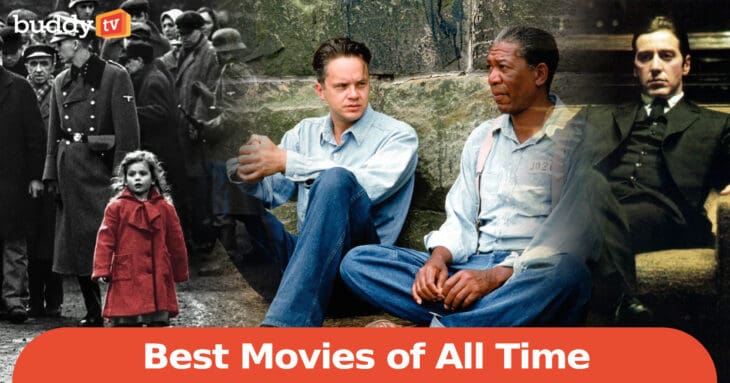
Steven Spielberg’s “Schindler’s List” provides a harrowing lens into the horrors of the Holocaust while simultaneously celebrating humanity’s capacity for compassion amidst devastation. Shot predominantly in black and white, with bursts of color symbolizing hope, the film chronicles the true story of Oskar Schindler, who saved over a thousand Polish Jews from certain death. It is a poignant reminder of the resilience of the human spirit and the unyielding fight against oppression, forever altering the way we approach historical narratives in film.
5. Pulp Fiction (1994)
Quentin Tarantino’s “Pulp Fiction” invigorates the film landscape with its audacious narrative style, irreverent humor, and eclectic soundtrack. This neo-noir masterpiece intertwines the lives of criminals in Los Angeles through a series of disjointed vignettes, provoking audiences to reconsider conventional storytelling. Its innovative use of dialogue and nonlinear chronology fosters a unique viewing experience, inviting intense analysis and interpretation. With its rich character development and iconic scenes, “Pulp Fiction” has indelibly influenced the crime genre and pop culture.
6. The Shawshank Redemption (1994)
Adapted from a Stephen King novella, Frank Darabont’s “The Shawshank Redemption” explores the enduring themes of hope and friendship in the bleak confines of a prison. Tim Robbins and Morgan Freeman deliver mesmerizing performances as two inmates navigating the vicissitudes of their sentences. The film’s profound messages about perseverance and the possibility of redemption resonate with audiences, elevating it to cult status. Through its evocative storytelling, the film immortalizes the belief that “hope is a good thing,” leaving viewers with a sense of optimism against adversity.
7. 2001: A Space Odyssey (1968)
Stanley Kubrick’s “2001: A Space Odyssey” is an unparalleled cinematic odyssey that fuses science fiction with philosophical inquiry. Its groundbreaking special effects and minimalist dialogue render a visual spectacle that contemplates humanity’s evolution and the universe’s mysteries. The film’s enigmatic nature invites myriad interpretations, encouraging profound speculation about artificial intelligence and existentialism. “2001: A Space Odyssey” remains a benchmark in the genre, inspiring filmmakers and scientists alike and challenging viewers to ponder their place in the cosmos.
8. Forrest Gump (1994)
“Forrest Gump” is a whimsical yet poignant narrative that chronicles the life of a man with a low IQ who unwittingly influences major historical events. Tom Hanks delivers a heartfelt performance that encapsulates innocence amidst the complexities of life. The film masterfully intertwines personal and historical narratives, evoking laughter and tears in equal measure. Its exploration of fate and the interconnectedness of lives invites viewers to reflect on the journey of life itself, making it a timeless staple of American cinema.
9. Star Wars: Episode IV – A New Hope (1977)
The inception of George Lucas’s “Star Wars” saga revolutionized the science fiction genre and blockbuster filmmaking. Introducing audiences to a galaxy far, far away, it melds epic storytelling with groundbreaking special effects. Iconic characters like Luke Skywalker, Princess Leia, and Darth Vader have become cultural symbols, while the film’s underlying themes of good versus evil resonate across generations. “A New Hope” set a precedent for franchise filmmaking and has engendered a fervent fanbase that endures to this day.
10. The Wizard of Oz (1939)
A cornerstone of American cinema, “The Wizard of Oz,” directed by Victor Fleming, invites audiences into a fantastical world brimming with color, wonder, and moral lessons. Judy Garland’s portrayal of Dorothy Gale, alongside memorable companions such as the Scarecrow and the Tin Man, exemplifies the universal quest for identity and belonging. The film’s integration of musical elements with timeless themes of friendship and bravery has ingrained it within the cultural fabric, ensuring its enduring relevance across generations.
In summary, these ten films exemplify the art of storytelling, encapsulating the breadth of human experience through their distinct narratives, innovative techniques, and masterful performances. They challenge us to see the world through various lenses, offering fresh perspectives on timeless themes. The reverberations of these cinematic masterpieces continue to influence filmmakers, provoke discussion, and entertain audiences, affirming their status as the most famous movies of all time. As you consider these films, ponder the unique ways in which they have shaped not only the medium of cinema itself but also the culture that surrounds it.
FAQ
What criteria were used to rank the movies?
The rankings consider cultural impact, innovation in filmmaking, lasting legacy, and not just box office success.
Why is 'The Godfather' considered one of the most famous movies?
‘The Godfather’ is renowned for its storytelling, iconic performances, and defining influence on the gangster genre.
Which movie in the list is known for pioneering non-linear storytelling?
‘Pulp Fiction’ is famous for its innovative, non-linear narrative structure.
Are all these movies critically acclaimed?
Yes, each film on the list is highly regarded both critically and culturally.
Do these movies span different genres?
Yes, the list includes diverse genres such as drama, romance, science fiction, and historical narratives.





Leave a Reply