
Short Answer
Exploring the realm of gastronomy unveils not merely a tableau of flavors and textures but a captivating journey through culture, history, and exclusivity. The allure of luxury foods captivates the imagination, often invoking a potent blend of desire and intrigue that spurs one to inquire into the exorbitant prices attached. From sumptuous caviar to exquisite truffles, the following top ten most expensive foods in the world exemplify the zenith of culinary extravagance, each with its own unique narrative and mystique. This list illustrates how the rarity, labor-intensive production, and often location-sensitive cultivation contribute to these foods’ astonishing price tags.
1. Almas Caviar – $34,500 per kilogram
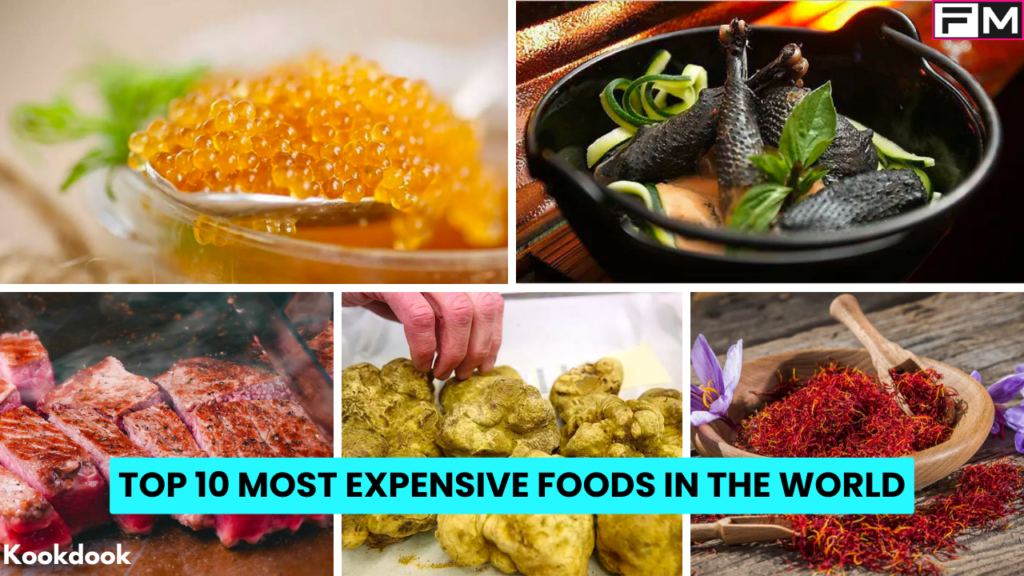
Almas caviar, sourced from the Iranian Beluga fish, reigns supreme in the world of luxury culinary experiences. These delicate, silvery pearls, known for their exceptionally creamy texture and subtle flavor, are harvested from fish that are over 60 years old. With their rarity and the laborious process of extraction, Almas caviar serves as an epitome of extravagance. Often packaged in exquisite gold tins, this delicacy not only tantalizes the palate but signifies opulence.
2. White Truffles – $3,600 per pound
White truffles, the treasure of the culinary world, are extolled for their intoxicating aroma and complex flavor. Found primarily in the Piedmont region of Italy, these fungi flourish under specific conditions, requiring both a favorable climate and the presence of symbiotic oak and hazelnut trees. Harvesting them involves skilled dogs trained to detect their earthy scent, adding a layer of adventure to their procurement. Such an intricate gathering process, combined with their ephemeral nature, justifies their lofty price.
3. Wagyu Beef – $3,000 per pound
Wagyu beef epitomizes luxury in the realm of meats. Hailing from Japan, this breed of cattle is renowned for its intense marbling and buttery texture. The meticulous rearing of Wagyu cattle involves a specific diet, and sometimes even massages to encourage muscle development and enhance the quality of the meat. The unique polyunsaturated fats in Wagyu create a melt-in-your-mouth experience that beckons meat lovers across the globe, thus commanding a staggering price.
4. Saffron – $1,500 per pound
Saffron, often touted as the most expensive spice in the world, is derived from the stigmas of the Crocus sativus flower. Each flower produces only three red stigmas, which are hand-harvested, making the cultivation process extraordinarily labor-intensive—a mere 150,000 flowers yield one kilogram of this precious spice. Renowned for its vivid hue and unparalleled flavor profile, saffron infuses dishes with elegance, commanding attention and admiration in the culinary arts.
5. Black Ivory Coffee – $500 per pound
Black Ivory coffee, characterized by its unique and sumptuous flavor, undergoes a fascinating production process that involves Thai elephants. The beans are consumed by the elephants, pass through their digestive system, and are then collected and washed. This fermentation process, facilitated by the elephants’ enzymes, imbues the coffee with a distinctive robust profile. As the production is limited and relies heavily on the health and availability of the elephants, it firmly secures its place among the most coveted coffees on Earth.
6. Fugu – $200 per serving
Fugu, the notorious pufferfish, is a dish that incites both fascination and trepidation. Its consumption is a culinary rite of passage in Japan, yet it harbors potential peril as certain parts are lethally toxic if not prepared correctly. Only licensed chefs undergo rigorous training in the art of fugu preparation, lending this delicacy an air of exclusivity and danger. Dining on fugu is not solely about flavor but encompasses an exhilarating experience, further amplified by its high cost.
7. Yubari King Melons – $23,000 per pair
These exquisite melons from Japan are cultivated with meticulous care in dedicated greenhouses, where climate is carefully controlled to ensure the perfect size, sweetness, and texture. A pair of Yubari King melons has been auctioned for staggering amounts, reflecting their status as symbols of affluence. Their delectability may render them a gastronomic delight, but it’s the artistry and labor behind their cultivation that elevates them to luxury status.
8. Matsutake Mushrooms – $1,000 per kilogram
Matsutake mushrooms are iconic, revered for their unique fragrance and flavor. They grow in such specific conditions that their harvest is exceedingly rare, primarily found in Japan, China, and South Korea. The delicate ecosystem where Matsutake flourishes makes it difficult to cultivate artificially, leading to their high market value. Not merely a culinary ingredient, they are a testament to the intricate balance of nature and human intervention.
9. Périgord Truffle – $1,200 per kilogram
Dubbed the “truffle of kings,” the Périgord truffle is black and harvested primarily in France. Its rich and earthy taste elevates dishes, making it a prized ingredient in haute cuisine. The pursuit of Périgord truffles involves trained dogs or pigs that unearth these subterranean gems, exemplifying the enchanting connection between nature and gastronomy. With fewer than 1,000 tons produced annually, demand skyrockets, resulting in elevated prices.
10. Kopi Luwak – $600 per pound
Kopi Luwak is a unique coffee often referred to as “civet coffee.” The cherries are eaten and excreted by civets, and the fermentation that occurs in their digestive system adds distinct flavors to the beans. This exotic preparation method draws interest from coffee aficionados; however, ethical concerns surrounding animal welfare and farming practices have emerged. Regardless, the exclusivity of Kopi Luwak continues to mesmerize those seeking the ultimate coffee experience.
As illustrated, the world of expensive foods not only satisfies culinary cravings but also invites an exploration of the cultural significance, rarity, and craftsmanship behind each delicacy. Such luxury is intertwined with passion and tradition, revealing deeper narratives that connect humanity with nature and its offerings. In marveling at these extravagant foods, we delve into a broader commentary on desirability, status, and the lengths to which individuals will go to satisfy their most indulgent appetites.
FAQ
What makes these foods so expensive?
The high cost is often due to rarity, labor-intensive harvesting or production methods, unique flavors, and cultural or historical significance.
Are there ethical concerns related to any of these luxury foods?
Yes, particularly with Kopi Luwak and Black Ivory Coffee, where animal welfare issues have been raised regarding the treatment of civets and elephants used in production.
Why is Wagyu beef more expensive than regular beef?
Wagyu beef is costly due to specialized breeding, diet, and care techniques that produce intense marbling and a unique melt-in-the-mouth texture.
How is fugu prepared safely despite its toxicity?
Only licensed and rigorously trained chefs prepare fugu, carefully removing toxic parts to ensure the dish is safe for consumption.




Leave a Reply