
Short Answer
Natural calamities have, throughout history, left an indelible mark on humanity, reshaping landscapes, altering ecosystems, and profoundly impacting societies. These events often strike with a ferocity that defies comprehension, leaving devastation in their wake. Here, we examine ten of the most catastrophic natural calamities ever recorded, shedding light on their scale, effects, and the lessons learned in their aftermath.
1. The 1931 China Floods
The 1931 China floods stand as one of the deadliest disasters in recorded history. Lasting from June to November, the flooding resulted from excessive rainfall and the overflow of the Yangtze River, leading to a domino effect of disaster. Estimates suggest that between 1 to 4 million lives were lost, with millions more displaced. This calamity not only wreaked havoc on agriculture but also underscored the fragility of human life in the face of nature’s might.
2. The 1667 Tsunami in the Mediterranean
In 1667, the coastal towns of Sicily faced the wrath of a cataclysmic tsunami triggered by an undersea earthquake. This violent upheaval devastated coastal cities, annihilating infrastructure and claiming thousands of lives. The event served as a stark reminder of the unpredictable interplay between seismic activity and tsunamis, shaping the way future generations understood and prepared for such natural phenomena.
3. The 1906 San Francisco Earthquake
The San Francisco earthquake of 1906 remains one of the most significant seismic events in United States history. Striking with a magnitude of 7.9, the quake unleashed untold destruction across the city. In addition to the immediate loss of life, raging fires swept through neighborhoods, exacerbating the damage. Over 3,000 lives were lost, and the disaster catalyzed advancements in earthquake engineering and urban planning.
4. The 2004 Indian Ocean Tsunami
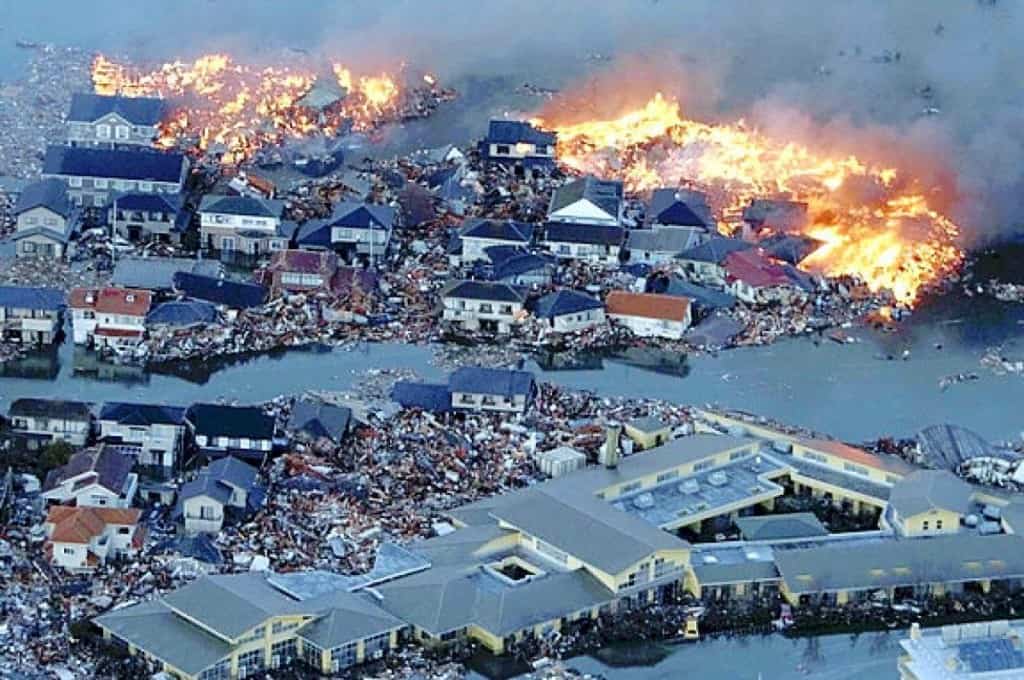
Arguably one of the most catastrophic tsunamis of modern times, the 2004 Indian Ocean tsunami was a result of an undersea earthquake off the coast of Sumatra. The tsunami’s waves, reaching heights of up to 100 feet, struck coastal areas across 14 countries, resulting in approximate fatalities of 230,000 people. The disaster prompted a global response, leading to the establishment of more robust early warning systems, aiming to mitigate the effects of future tsunamis.
5. The Black Death (Bubonic Plague)
Although often classified as a pandemic, the Black Death that ravaged Europe in the 14th century can also be seen as a natural calamity. The epidemic, caused by the bacterium Yersinia pestis, led to the death of an estimated 25 million people, almost one-third of Europe’s population at the time. Its repercussions were profound, marking significant shifts in social and economic structures and instigating a reevaluation of public health practices.
6. Hurricane Katrina (2005)
Hurricane Katrina remains a poignant testament to the vulnerabilities of modern societies in the face of natural disasters. Striking the Gulf Coast of the United States in August 2005, Katrina caused widespread devastation, particularly in New Orleans. The hurricane’s aftermath revealed critical flaws in disaster preparedness and response, prompting reforms in federal emergency management and town planning. Approximately 1,800 lives were lost, and the economic fallout continues to resonate.
7. The 1815 Eruption of Mount Tambora
Regarded as one of the most powerful volcanic eruptions in history, the eruption of Mount Tambora in Indonesia in 1815 had worldwide repercussions. The cataclysmic explosion ejected vast quantities of ash into the atmosphere, resulting in what became known as the “Year Without a Summer” in 1816. The climatic anomalies led to crop failures and food shortages across the globe, which exacerbated social tensions and economic hardships.
8. The Great Galveston Hurricane (1900)
The Great Galveston Hurricane, which struck Texas in September 1900, remains the deadliest natural disaster in U.S. history. With winds exceeding 140 mph, it obliterated the city of Galveston, claiming an estimated 8,000 to 12,000 lives. This catastrophe highlighted the inadequacies in hurricane preparedness at the time and prompted significant reforms in weather forecasting and disaster response protocols.
9. The Lituya Bay Mega-Tsunami (1958)
A lesser-known yet incredibly powerful event occurred in Lituya Bay, Alaska, in 1958. Triggered by a massive landslide, the resulting mega-tsunami reached a staggering height of 1,720 feet, making it the tallest wave ever recorded. Although the remote location minimized casualties, the event highlighted the catastrophic potential of tsunamis generated by landslides, expanding the scientific community’s understanding of geological hazards.
10. The 2010 Haiti Earthquake
The devastating earthquake that struck Haiti in January 2010 exhibited the tragic consequences of a lack of preparedness and infrastructure. With a magnitude of 7.0, it resulted in the death of an estimated 160,000 people and displaced over a million more. This calamity brought international attention to Haiti’s challenges and emphasized the importance of sustainable development to enhance resilience against future disasters.
In conclusion, these monumental natural calamities have not only shaped human history but also provided invaluable lessons about resilience, preparedness, and the relentless force of nature. Understanding these events helps pave the way for improved response mechanisms, more efficient urban planning, and ultimately, a more prepared society facing the ever-present threat of natural disasters.
FAQ
What are some of the deadliest natural calamities in history?
Some of the deadliest natural calamities include the 1931 China floods, the 2004 Indian Ocean tsunami, the Black Death pandemic, and Hurricane Katrina.
How do natural calamities impact societies?
Natural calamities can cause massive loss of life, displacement, economic hardship, and long-term changes in social and urban infrastructure.
What lessons have been learned from these calamities?
These events have taught the importance of disaster preparedness, early warning systems, urban planning, and international cooperation.





Leave a Reply