
Short Answer
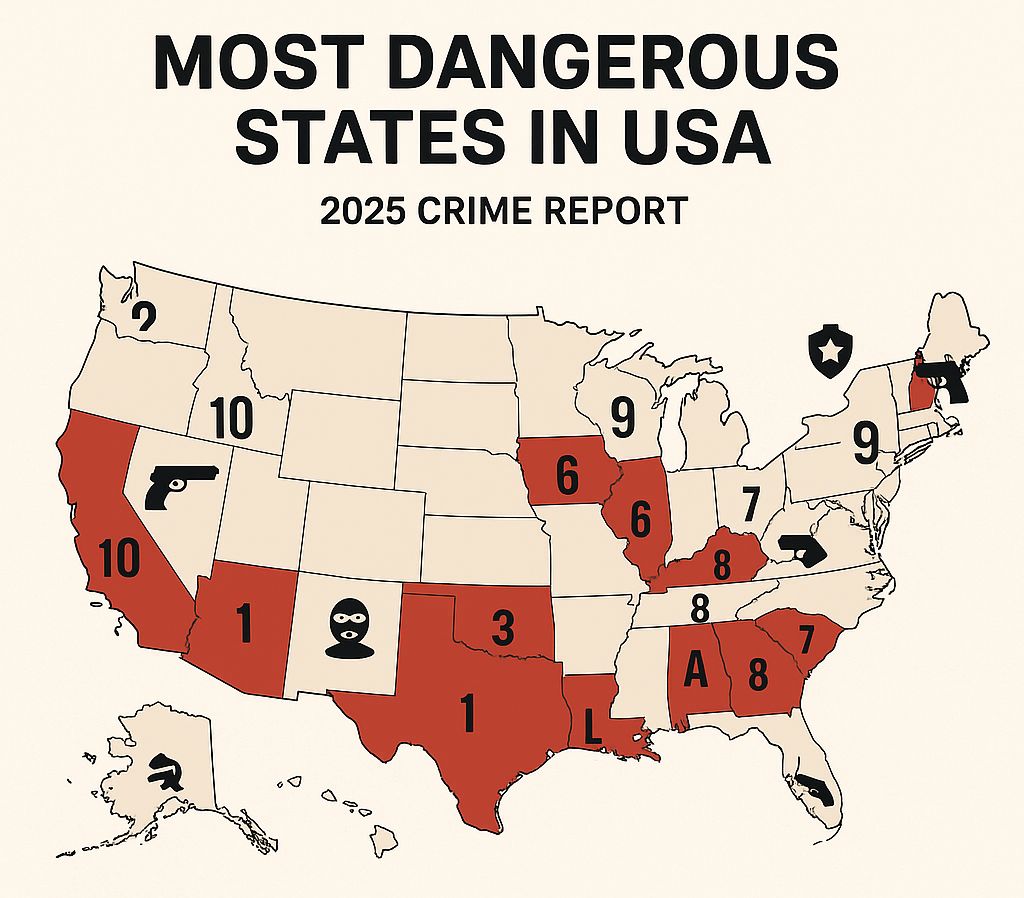
As the vast and varied landscape of the United States unfolds across its fifty states, the concept of safety significantly diverges. While some states are epitomes of tranquility and stability, others grapple with challenges that render them less secure. This exploration delves into ten states often characterized by heightened danger, whether due to crime rates, environmental hazards, or other multifaceted issues. Understanding these rankings can help individuals and families make informed decisions about where to live, work, or even travel. Let’s unravel the complexities of danger in the United States and examine the factors contributing to the notoriety of these states.
1. Louisiana
Louisiana frequently garners attention due to its alarming crime rates, particularly in urban areas like New Orleans. This state suffers from high incidences of violent crime, including homicide and aggravated assault, contributing to a pervasive sense of insecurity. Additionally, Louisiana is prone to natural disasters such as hurricanes and flooding, which can exacerbate the struggles of affected communities. The interplay of crime and environmental vulnerabilities makes Louisiana emblematic of danger in America.
2. New Mexico
New Mexico occupies a disconcerting position on many danger rankings, largely attributable to its high crime rates, with Albuquerque often highlighted for its violence. Factors like poverty and substance abuse significantly contribute to the region’s challenges. Furthermore, the state encounters issues related to natural hazards, including wildfires and severe droughts. The juxtaposition of human-generated and environmental danger paints a bleak picture for residents.
3. Maryland
While Maryland may boast affluent communities and a robust economy, it also houses areas with astonishingly high crime rates. Baltimore, in particular, has long battled issues tied to gang violence and drug-related crimes. Additionally, the state faces environmental threats such as coastal flooding and the effects of climate change, making it a multifaceted contender in discussions about danger.
4. Missouri
Missouri’s inordinate levels of crime, particularly in cities like St. Louis and Kansas City, place it high on danger lists. The state experiences elevated rates of both violent and property crime, affecting the safety perceptions of its residents. Environmental concerns, including flooding and severe weather, further complicate the safety landscape. The confluence of crime and environmental risks renders Missouri a notable entry on this list.
5. Arkansas
Arkansas is often regarded as a hotspot for crime, particularly in economically disadvantaged regions. The state showcases some of the highest rates of violent crime in the nation, driven by socioeconomic factors. Moreover, Arkansas is susceptible to natural catastrophes, notably tornadoes and flooding, which can pose significant threats to both life and property, elevating its danger quotient.
6. Alabama
Alabama frequently surfaces in discussions surrounding danger, primarily due to its high rates of violent crime. Areas like Birmingham and Montgomery struggle with gun violence and gang-related activities. Beyond criminal concerns, Alabama grapples with severe weather phenomena, such as tornadoes and hurricanes, which can lead to catastrophic destruction. This combination amplifies the danger residents face daily.
7. Michigan
Michigan’s narrative of danger often revolves around urban regions like Detroit, which has long been associated with high crime rates and economic challenges. While the state has made strides in revitalization, issues of violent crime persist. Additionally, Michigan’s susceptibility to harsh winter weather and flooding raises safety issues that complicate the living conditions for many of its residents.
8. Nevada
Nevada, often associated with the bright lights of Las Vegas, is not without its own share of danger. Although the tourism industry thrives, the state contends with unsettling rates of violent crime, drug use, and property crime. Additionally, the fluctuating population dynamics due to tourism can strain resources and contribute to heightened tensions. Nevada’s inherent challenges compel a critical examination of its safety landscape.
9. Tennessee
Tennessee’s status as a tourist destination belies the stark realities of its crime statistics. Known for cities like Memphis and Nashville, the state grapples with extensive violent crime rates. Factors contributing to this include economic disparity and drug-related issues, which can create perilous environments. Natural hazards, such as earthquakes and severe storms, pose additional threats, complicating the safety concerns faced by residents.
10. South Carolina
South Carolina features prominently in danger rankings due to a combination of violent crime and burgeoning property crime. Areas such as Columbia face significant challenges linked to gang violence and drug trafficking. Moreover, the state is prone to hurricanes and flooding, amplifying the dangers associated with living in vulnerable coastal regions. The interplay of crime and environmental risk underscores the complexities of safety in South Carolina.
In conclusion, the examination of the ten most dangerous states in the USA provides a nuanced perspective on safety issues across the nation. From Louisiana’s notorious crime rates to the environmental hazards threatening many of these states, the landscape of danger is multifaceted. Understanding these dynamics is crucial, not only for potential residents but also for those who travel for leisure or business. By acknowledging these dangers, individuals can make more informed choices, underscoring the importance of societal awareness in navigating the complexities of safety across the United States.
FAQ
What makes a state dangerous?
A state is considered dangerous based on factors such as high violent crime rates and exposure to natural disasters.
Are environmental hazards included in the danger assessment?
Yes, environmental risks like hurricanes, flooding, and tornadoes contribute to the overall danger ranking.
Which urban areas are highlighted for high crime?
Cities such as New Orleans, Baltimore, St. Louis, Detroit, Las Vegas, Memphis, and Nashville are noted for high crime rates.






Leave a Reply