
Short Answer
In the grand tapestry of life on Earth, insects represent an astonishingly diverse and often misunderstood group of organisms. While many may consider them insignificant or even bothersome, the reality is that some species harbor lethal potential. Imagine being lulled into a serene afternoon picnic, only to find that an unassuming insect could turn that joyful occasion into a perilous situation. Intriguingly, what if your next question leads to a challenge: how well do you truly know these tiny terrors of the insect world? The following list presents the top ten most dangerous insects on Earth, each deserving a closer look due to their deadly capabilities.
1. Mosquitoes
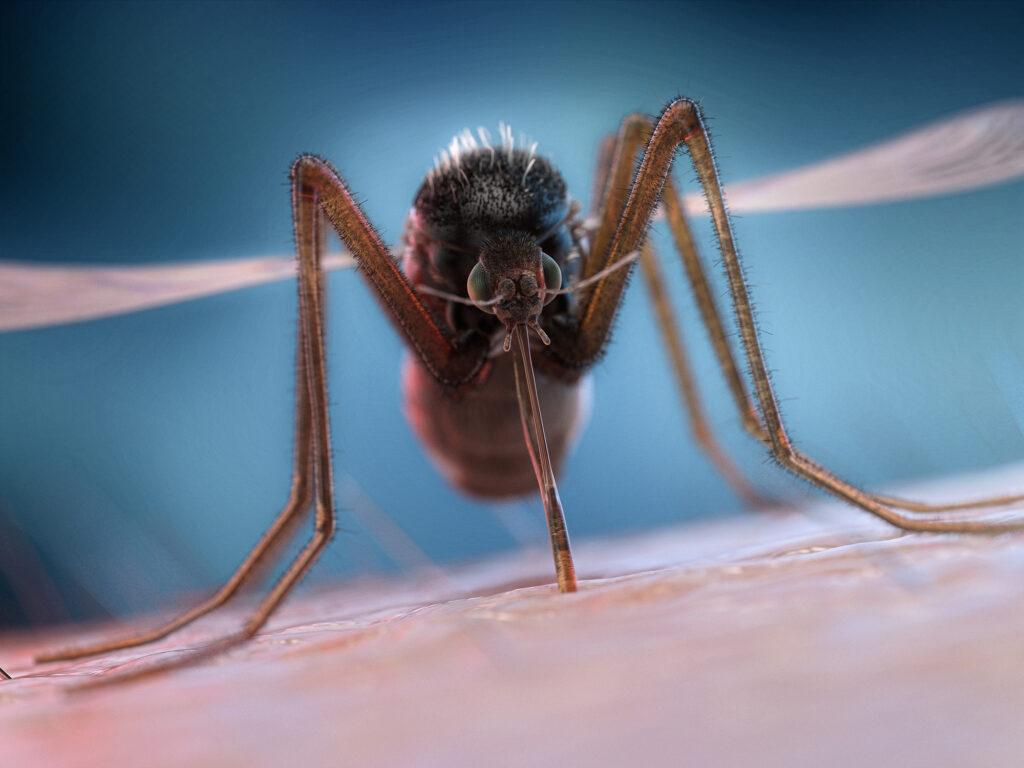
The ubiquitous mosquito is often regarded as the deadliest creature on the planet, responsible for transmitting numerous life-threatening diseases. They are vectors for malaria, dengue fever, Zika virus, and West Nile virus, impacting millions of lives annually. With their propensity for breeding in stagnant water and their ability to reproduce en masse, these blood-sucking insects pose an unparalleled threat to global health.
2. Tsetse Fly
The Tsetse fly may appear unremarkable, but its bite delivers a venomous payload that can lead to sleeping sickness, a condition that can be fatal if left untreated. Found predominantly in sub-Saharan Africa, this insect is not only a nuisance but a harbinger of serious illness, affecting both humans and livestock. The bite is often painless, masking the danger that lurks beneath the surface.
3. Fire Ants
Challenging the notion of simply being an irritating pest, fire ants are infamous for their aggressive behavior and painful sting. These social insects swarm in response to threats, inflicting multiple stings that can trigger allergic reactions and anaphylaxis in susceptible individuals. Their venom contains a toxic alkaloid that can cause intense pain and, in extreme cases, even death.
4. Assassin Bugs
True to their name, assassin bugs employ a gruesome method for catching prey. Armed with a long, piercing mouthpart, these insects inject enzymes into their victims, effectively liquefying their insides before consuming them. Some species are known to transmit Chagas disease, which affects millions in Central and South America. Their bite is often mistaken for a simple insect sting, betraying their true menace.
5. Yellow Fever Mosquito
Beneath its vibrant black and yellow exterior lies the yellow fever mosquito, notorious for spreading yellow fever, a disease that can be fatal if not properly managed. This insect thrives in tropical climates, and its presence is a significant public health concern. Instances of outbreaks can arise in urban areas, where mosquito populations can flourish, creating a perilous environment for unsuspecting residents.
6. Asian Giant Hornet
With a wingspan that can reach up to five inches, the Asian giant hornet is a formidable adversary in the insect world. Known for their aggressive nature and potent venom, these hornets can deliver multiple stings, causing intense pain and sometimes even death, particularly in allergic individuals. The sheer size and ferocity of these hornets have ignited concerns about their invasion into non-native territories.
7. Bullet Ant
The bullet ant is often hailed as possessing the most excruciating sting of any insect in the world. Named for the intense pain it inflicts—akin to being shot—its venom causes debilitating agony, although it is rarely life-threatening. Indigenous tribes in South America even use them in initiation rituals, underscoring the juxtaposition of fear and cultural significance associated with this insect.
8. Black Widow Spider
While technically an arachnid rather than an insect, the black widow spider demands mention due to its venomous bite. Characterized by its glossy black body and distinctive red hourglass marking, this spider’s venom can lead to severe pain, muscle cramps, and, in rare cases, death. Mysterious and elusive, black widows tend to hide in secluded spaces, making encounters both surprising and potentially perilous.
9. Flesh-Eating Beetle
The aptly named flesh-eating beetle embodies the darker side of nature’s design. Found in various environments, including decaying organic matter, these beetles have an affinity for consuming decomposing flesh. Although not typically harmful to healthy humans, their larvae and feeding habits may pose risks in medical contexts, showcasing how even seemingly innocuous insects can have a sinister edge.
10. Sand Flies
Finally, the sand fly, while incredibly small, is not to be underestimated. These minuscule pests can transmit leishmaniasis, a disease that can produce disfiguring skin sores or affect internal organs. Their bites are often painful and may not be immediately noticeable, allowing this threat to lurk just below the surface. Their diminutive size and stealthy nature make them a haunting presence in affected regions.
As we navigate through the intricacies of our environment, the existence of such dangerous insects prompts a sense of caution and respect. While many such species are vital to ecosystems, their potential to inflict harm calls for awareness and preparedness. The next time you embark on an outdoor adventure or even just sip your coffee on the patio, consider the unforeseeable elements that might be lurking nearby. Are you willing to challenge yourself to learn more and stay safe in the face of nature’s tiniest threats?
FAQ
Which insect is considered the deadliest in the world?
The mosquito is considered the deadliest insect due to its role in transmitting diseases like malaria, dengue, and Zika virus, which cause millions of deaths annually.
Are all the insects listed capable of killing humans?
Not all listed insects directly kill humans; some cause severe allergic reactions or transmit deadly diseases, while others have painful stings that are rarely fatal.
Why is the black widow spider included in the list if it is not an insect?
The black widow spider, though an arachnid, is included due to its venomous bite and significant threat to humans, making it relevant to a discussion about dangerous small creatures.
How can people protect themselves from these dangerous insects?
Protection includes using insect repellents, wearing protective clothing, avoiding known habitats during peak insect activity, and eliminating standing water to reduce mosquito breeding.




Leave a Reply