
Short Answer
Exploring the vast underwater world is a breathtaking experience, yet it comes with its fair share of dangers. While most fish are harmless, there exists a subset of aquatic creatures that pose significant risks to human beings due to their venom, aggressive behavior, or other hazardous traits. Here, we delve into the top 10 most dangerous fish you should avoid, arming you with knowledge to navigate these treacherous waters cautiously.
1. Stonefish
Considered the most venomous fish in the world, the stonefish is a master of camouflage, blending seamlessly into rocky seabeds and coral reefs. This scaly predator possesses venom-filled spines along its back, which deliver excruciating pain upon contact. Symptoms of a sting can range from intense pain and swelling to potentially fatal cardiovascular failure if not treated promptly. Always tread carefully around potential hiding places in reef environments to avoid a painful encounter with this treacherous fish.
2. Pufferfish
The pufferfish, often found in tropical and subtropical waters, is notorious for its lethal toxin, tetrodotoxin, which is concentrated in its organs and skin. This neurotoxin is over 1,000 times more poisonous than cyanide, and while some cultures delicately prepare pufferfish as sashimi, a single misstep can result in death. Its defensive mechanism also includes inflating its body, making it less palatable to predators. The allure is undeniable, but the risks are insurmountable.
3. Lionfish
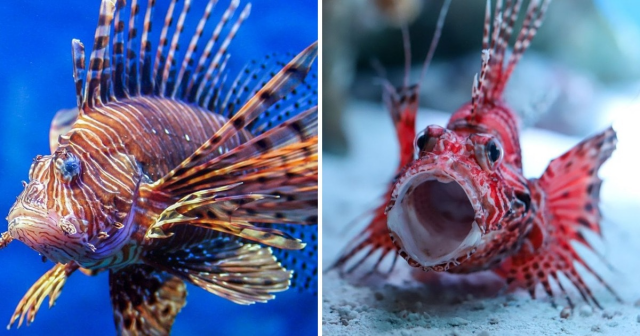
With its flamboyant appearance and ornate fins, the lionfish is as mesmerizing as it is dangerous. This Indo-Pacific native has venomous spines that can inflict a painful sting, leading to symptoms such as nausea, difficulty breathing, and even paralysis. Although it’s primarily a threat to those who inadvertently provoke it, the lionfish’s rapid spread in non-native waters has made it a significant concern for marine ecosystems. Exercise caution when snorkeling or diving in regions where lionfish are prevalent.
4. Candiru
Infamous for its gruesome reputation, the candiru is a small parasitic fish found primarily in the Amazon River. It is notorious for its alleged ability to enter the human urethra, causing excruciating pain and necessitating surgical extraction. While actual cases of this fish causing harm to humans are rare, the mere thought of it lurking in murky waters is enough to instill fear. If swimming in the Amazon, be aware of your surroundings and consider protective measures.
5. Goliath Tigerfish
This formidable predator, native to the Congo River Basin, boasts razor-sharp teeth and an aggressive disposition. The goliath tigerfish can reach lengths of up to five feet and is known for its ferocity when hunting. Anglers have reported its strength and speed being formidable challenges. Caution is advisable if found in waterways inhabited by this fearsome fish, as it’s not shy about defending its territory.
6. Blue-ringed Octopus
Though technically not a fish, the blue-ringed octopus is worth mentioning due to its notorious venom. This exquisite creature displays charming blue rings when threatened, a signal of the potent venom it possesses, which can lead to paralysis and respiratory failure in mere minutes. There is currently no known antidote, making immediate medical intervention crucial. Observing this marine marvel from a distance is paramount to ensure safety.
7. Hammerhead Shark
While shark encounters are relatively rare, the hammerhead shark, particularly the Great Hammerhead, can exhibit erratic and defensive behavior when provoked. Known for its unique head shape and powerful jaws, this predator is a formidable force in the ocean. Although attacks on humans are infrequent, maintaining a respectful distance is advisable if you encounter one while diving or diving.
8. Barracuda
The barracuda is a sleek, torpedo-shaped fish known for its incredible speed and sharp teeth. While barracuda do not seek out humans, they can become aggressive if they feel threatened or if reflective items, like shiny jewelry, catch their attention. Encounters can result in deep lacerations, but a keen awareness of their presence can help avoid dangerous interactions. Maintaining a non-threatening demeanor around these predatory fish is essential.
9. Freshwater Stingray
Found primarily in the Amazon basin, freshwater stingrays possess a venomous barb that lies just above their tail. Stepping on one while wading in murky waters can lead to severe injuries and infections. The sting is intensely painful and can lead to long recovery times. Wearing protective footwear when exploring freshwater environments is a wise precaution to mitigate the risk.
10. Wolf Fish
Natively dwelling in the Atlantic waters near Europe and North America, the wolf fish is remarkable not only for its predatory instincts and immense teeth but also for its aggressive nature. The bites inflicted by a wolf fish can be particularly damaging, making encounters with humans potentially hazardous. Those venturing into its habitat should respect its territory and exercise extreme caution.
In conclusion, the underwater world is filled with fascinating creatures, but some harbor danger that should command our respect and caution. Awareness is a crucial tool in ensuring safety while exploring these depths. Whether you are an avid diver, a beachgoer, or a curious adventurer, understanding the perils posed by these formidable fishes can help you navigate the ocean’s beauty while avoiding its hidden threats. By heeding these guidelines, you can relish the splendor of marine life without unnecessary risk.
FAQ
What makes a fish dangerous to humans?
Fish can be dangerous due to venomous spines, toxic organs, aggressive behavior, or sharp teeth that can cause injury or poisoning.
Are all pufferfish poisonous?
Most pufferfish contain tetrodotoxin, a potent neurotoxin, especially in their organs and skin, making them highly poisonous if not prepared correctly.
Is the blue-ringed octopus a fish?
No, the blue-ringed octopus is a cephalopod, not a fish, but it is highly venomous and can be deadly to humans.
How can I avoid dangerous fish while swimming or diving?
Exercise caution by avoiding contact with marine life, wearing protective footwear in freshwater areas, not provoking fish, and maintaining awareness of your surroundings.






Leave a Reply