
Short Answer
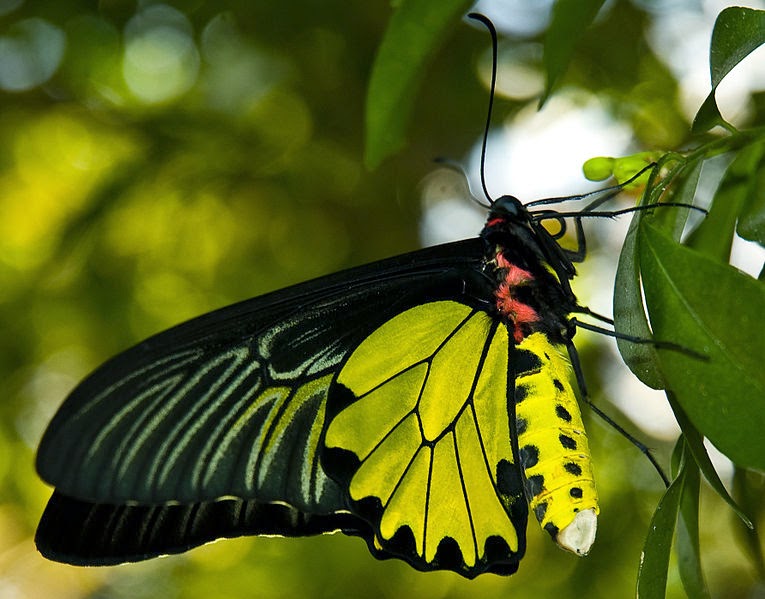
Butterflies, with their delicate wings and ephemeral grace, captivate our imaginations and evoke a sense of wonder about the natural world. Known for their astonishing colors and intricate patterns, these insects are more than just beautiful; they are vital indicators of the health of our ecosystems. Below, we explore ten of the most beautiful butterflies ever seen, each a testament to the artistry of nature and the biodiversity of our planet.
1. Morpho Peleides
The Morpho Peleides, commonly known as the Blue Morpho, is an iconic butterfly hailing from Central and South America. With a wingspan that can reach nearly six inches, it dazzles with a vibrant electric blue hue that shimmers in sunlight. The underside of its wings, adorned with intricate patterns of browns and creams, serves as a clever camouflage against predators. Its striking colors are not merely for show; they play a crucial role in mating displays and predator avoidance.
2. Papilio Ulysses
Also known as the Ulysses Butterfly, this stunning species boasts iridescent blue wings that create a brilliant contrast against its black borders. Found in the rainforests of Australia and New Guinea, it is a charismatic representative of the Papilionidae family. The vivid colors of the Ulysses Butterfly are a signal to potential mates about its health and vitality, making it not just a visual marvel but an evolutionary wonder as well.
3. Agraulis Vanillae
Commonly referred to as the Gulf Fritillary, the Agraulis Vanillae is a butterfly of striking orange with black spots that adorn both the topside and underside of its wings. Found in the Americas, this butterfly thrives in gardens, fields, and tropical areas. In addition to its aesthetic appeal, it is noteworthy for its life cycle, which involves a unique association with passion vines as a larval host plant, exhibiting the intricate connections within ecosystems.
4. Papilio Machaon
The Swallowtail butterfly, or Papilio Machaon, is celebrated for its grace and elegance. With a background of vibrant yellow and striking black markings, this butterfly is adorned with tails that mimic the appearance of a swallow’s wings. It can be found in Europe, Asia, and North America, often fluttering through gardens and meadows. The Swallowtail’s formidable presence and beauty have made it a frequent subject of art and literature, symbolizing transformation and freedom.
5. Morpho Didius
The Morpho Didius, a lesser-known cousin of the Blue Morpho, captivates with its opulent blue and purple hues on the upper wings, complemented by a rich brown underside decorated with delicate patterns that serve as excellent camouflage. Native to the forests of South America, this butterfly thrives in a range of habitats, from moist lowland rainforests to upland areas. Its striking appearance and gentle demeanor endear it to butterfly enthusiasts across the globe.
6. Vanessa Cardui
Known as the Painted Lady, Vanessa Cardui is one of the most widespread butterflies in the world, easily recognized by its combination of orange, black, and white patterns. Its endurance during long migrations, often spanning thousands of miles, highlights its resilience and adaptability. The Painted Lady’s aesthetic appeal, combined with its remarkable life story, makes it a beloved species among naturalists and casual observers alike.
7. Danaus Plexippus
The celebrated Monarch butterfly, Danaus Plexippus, is renowned not only for its stunning orange and black coloration but also for its remarkable migratory behavior. Each year, millions of Monarchs travel from North America to central Mexico, showcasing an incredible navigation ability that remains a subject of scientific investigation. The Monarch serves as a poignant reminder of the fragility of ecosystems, as its populations face increasing threats from habitat destruction and climate change.
8. Morphos Moultoni
Another splendid species in the Morpho family, Morpho Moultoni enchants with its brilliant turquoise wings that exhibit an almost ethereal quality when caught in the light. Predominantly found in the forests of South America, this butterfly’s luminous appearance is complemented by its dual-life strategy, as it metamorphoses from a humble caterpillar into a breathtaking aerial jewel. Its vibrant colors not only attract mates but also function as a deterrent to would-be predators.
9. Caligo Eurilochus
The Owl Butterfly, or Caligo Eurilochus, is remarkable for its eye-like patterns on the wings, resembling the stare of a predatory owl—a clever defense mechanism designed to intimidate potential threats. Native to the rainforests of Central and South America, this butterfly also boasts a brownish hue that camouflages it against tree bark. Its intricate design showcases the splendid artistry of nature, where survival and aesthetics intertwine seamlessly.
10. Heliconius charithonia
The Zebra Longwing, or Heliconius charithonia, is characterized by its striking black and yellow striped wings and is often considered a quintessential representation of tropical elegance. Found in Central and South America, this butterfly plays an integral role in pollination and exhibits a fascinating mutualistic relationship with passionflower plants. It captivates observers with its dashing color scheme and serves as a symbol of resilience, thriving in various environments despite ecological pressures.
In conclusion, these ten butterflies illustrate the extraordinary beauty and diversity that nature has to offer. Each species carries distinct characteristics and remarkable adaptations, offering insight into the complex interplay between aesthetics and survival. Butterflies not only enhance our visual landscape but also remind us of the importance of conservation efforts to preserve their habitats and the delicate balance of ecosystems worldwide. As we continue to explore and protect these magnificent creatures, we foster a deeper appreciation for the wonders of the natural world.
FAQ
What makes these butterflies considered the most beautiful?
Their vivid colors, intricate wing patterns, and unique behaviors such as migration and camouflage contribute to their recognition as some of the most beautiful butterflies.
Where can these butterflies typically be found?
These butterflies inhabit diverse regions including Central and South America, Australia, New Guinea, Europe, Asia, and North America, often in rainforests, gardens, meadows, and tropical areas.
Why are butterflies important to ecosystems?
Butterflies serve as pollinators, indicators of ecosystem health, and part of food chains, making them vital for ecological balance and biodiversity.
What threats do these butterfly species face?
Habitat destruction, climate change, and environmental pollution threaten butterfly populations worldwide.





Leave a Reply