
Short Answer
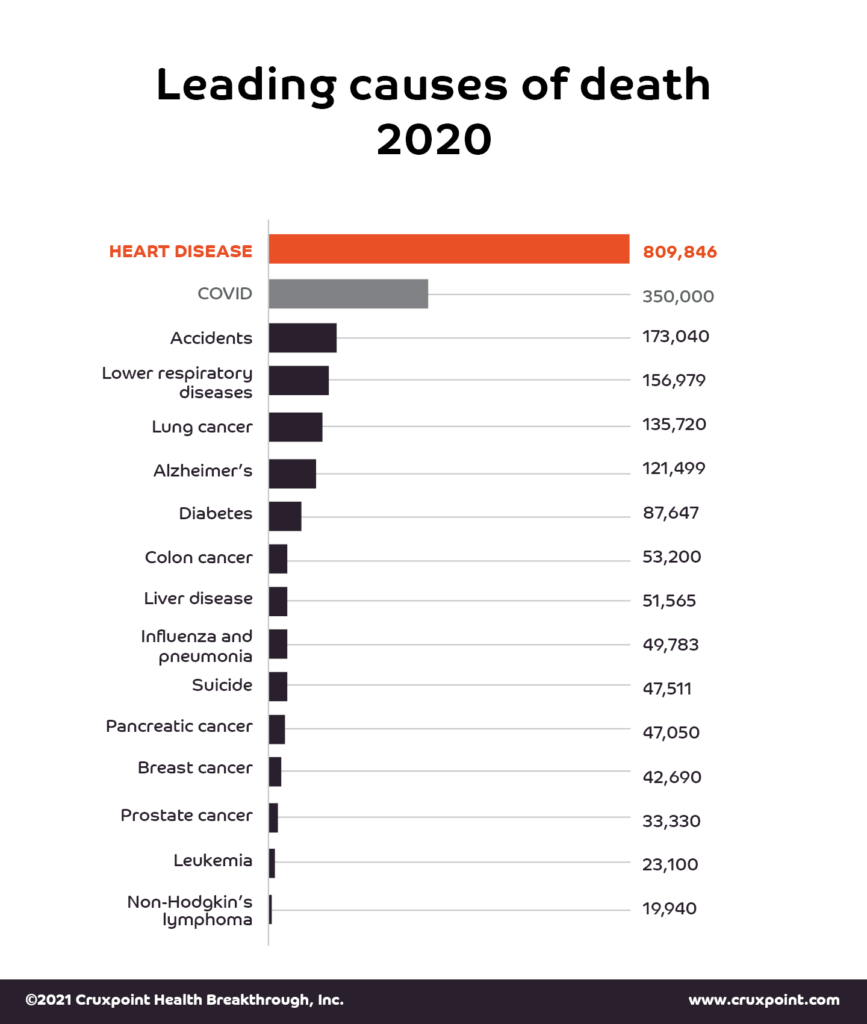
The landscape of mortality in the United States is an intricate tapestry woven from a myriad of health-related issues and lifestyle choices. Understanding the leading causes of death illuminates not only the risks we face but also highlights the importance of preventive measures. By dissecting the predominant causes, we can better equip ourselves with knowledge, ultimately fostering a society that prioritizes health and longevity. Below, we delve into the ten leading causes of death in the USA, presenting a comprehensive exploration of each.
1. Heart Disease
Heart disease remains the foremost cause of death across the nation, affecting millions. This complex of conditions includes coronary artery disease, heart attacks, and arrhythmias, and is often exacerbated by factors such as high blood pressure, obesity, and sedentary living. The multifaceted etiology of heart disease underscores the importance of regular cardiovascular screenings, maintaining a nutritious diet, and incorporating physical activity into daily routines as fundamental strategies for mitigation.
2. Cancer
Cancer is a formidable adversary, manifesting in dozens of forms—including lung, breast, prostate, and colorectal cancers. Each type presents unique challenges, yet common symptoms may include unexplained weight loss and fatigue. As the second leading cause of death, it highlights the necessity for ongoing research, early detection protocols such as screening tests, and advancements in treatment modalities. Public health campaigns advocating for tobacco cessation, sun safety, and vaccination against cancer-related viruses play a pivotal role in prevention.
3. Unintentional Injuries
Surprisingly, unintentional injuries rank as the third leading cause of death, encapsulating a wide array of incidents—from motor vehicle collisions to accidental overdoses and falls. This category emphasizes the unpredictability of life and the critical need for safety awareness in everyday activities. Initiatives aimed at improving road safety, promoting substance abuse education, and implementing fall prevention measures can significantly impact this preventable cause of mortality.
4. Chronic Lower Respiratory Diseases
Chronic lower respiratory diseases, including chronic obstructive pulmonary disease (COPD) and emphysema, impose a heavy burden on the healthcare system and individuals alike. Characterized by breathing difficulties and progressive decline in lung function, these conditions are often instigated by smoking, environmental pollutants, and occupational hazards. Advocacy for smoke-free environments and education on respiratory health are quintessential in combating these ailments and improving quality of life.
5. Stroke
The fifth leading cause of death, stroke epitomizes the urgency of immediate response in emergency situations. Caused by the interruption of blood supply to the brain, stroke is often precipitated by high blood pressure, diabetes, and heart disease. Rapid identification of symptoms and swift action can dramatically alter outcomes. Public awareness campaigns focusing on recognizing the signs of stroke, such as facial drooping or sudden numbness, are critical to reducing mortality rates associated with this condition.
6. Alzheimer’s Disease
Alzheimer’s disease represents a growing challenge as the population ages. This progressive neurological disorder gradually erodes cognitive function and memory, ultimately leading to dependency on caregivers for daily tasks. With the number of cases projected to rise, research into treatment options and support for caregivers is paramount. Initiatives aimed at brain health, such as proper nutrition and mental stimulation, may also play a significant role in prevention strategies.
7. Diabetes
As a metabolic disorder, diabetes affects the body’s ability to produce or use insulin effectively, resulting in high blood sugar levels. Type 1 and Type 2 diabetes have pervasive implications, increasing the risk of heart disease, kidney failure, and nerve damage. Prevention through lifestyle modification, including balanced diets and physical activity, alongside widespread education about the condition, is vital to curbing its prevalence. Regular screenings are also crucial for early detection, especially in at-risk populations.
8. Influenza and Pneumonia
Influenza and pneumonia pose significant health risks, particularly during colder months. While many view these illnesses as commonplace, they can be particularly dangerous for the elderly and individuals with pre-existing conditions. The intersection of influenza’s viral nature and pneumonia’s potential bacterial complications necessitates public health measures such as vaccination programs and awareness campaigns about hygiene practices to reduce transmission and severity of these diseases.
9. Kidney Disease
Chronic kidney disease silently affects millions, leading to a gradual loss of kidney function. Often stemming from diabetes and high blood pressure, it can progress to end-stage renal disease, requiring dialysis or transplantation. Regular health check-ups that monitor kidney function, coupled with public education on managing risk factors, are essential components of prevention strategies targeting this renal challenge.
10. Suicide
Finally, suicide emerges as a heartbreaking cause of death, illustrating profound societal issues related to mental health. Various factors, including depression, substance abuse, and trauma, contribute to this complex phenomenon. Promoting mental health awareness through community outreach, accessible therapy services, and crisis intervention hotlines are vital to addressing this pressing public health concern and reducing stigma surrounding mental health issues.
Understanding the leading causes of death in the United States not only educates us about health risks but also motivates communities to pursue healthier lifestyles and advocate for preventive measures. By grasping the significance of these conditions, individuals can take charge of their health, while society as a whole can create an environment conducive to well-being. In concerted efforts, we can foster a culture that prioritizes health, embraces preventive strategies, and ultimately enhances life expectancy in the American populace.
FAQ
What are the top 10 leading causes of death in the USA?
They are heart disease, cancer, unintentional injuries, chronic lower respiratory diseases, stroke, Alzheimer's disease, diabetes, influenza and pneumonia, kidney disease, and suicide.
How can the risk of chronic lower respiratory diseases be reduced?
Reducing smoking, avoiding environmental pollutants, and advocating for smoke-free environments can lower the risk.
Why is early detection important for cancer and diabetes?
Early detection allows for timely treatment and management, improving outcomes and reducing mortality.
What preventive measures exist for unintentional injuries?
Safety awareness, road safety initiatives, substance abuse education, and fall prevention measures are key.




Leave a Reply