
Short Answer
Kyoto, a city steeped in tradition and history, offers an enchanting blend of ancient temples, serene gardens, and traditional tea houses, making it a cultural treasure trove that embodies the essence of Japan. Visiting this city promises not just a trip through time, but a transformation in perspective, allowing you to witness the beauty of a culture that has thrived for centuries. If you are planning a visit, here are the top ten attractions in Kyoto that you simply cannot miss.
1. Kinkaku-ji (The Golden Pavilion)
Arguably one of Kyoto’s most iconic landmarks, Kinkaku-ji dazzles with its stunning gold leaf façade that shimmers in the sunlight. Nestled amidst lush gardens and a serene pond, the pavilion reflects the beauty of its surroundings in a mesmerizing tableau. As you wander the meticulous gardens, you will find tranquility enveloping you, inviting contemplation and quiet reflection. The sight of the golden structure against the backdrop of emerald foliage prompts a shift in perspective — a reminder of the harmonious relationship between nature and artistry.
2. Fushimi Inari Taisha
No visit to Kyoto is complete without a pilgrimage to Fushimi Inari Taisha, renowned for its thousands of vibrant red torii gates that wind their way up Mount Inari. Each gate, donated by individuals and businesses, serves as a testament to the devotion of the local community. The ascent through the torii tunnel is an experience that transcends the physical journey, immersing you in the spirituality that pervades this sacred site. As you navigate the winding paths, the quiet whispers of the forest invite introspection, offering a profound connection between the earthly and the divine.
3. Kiyomizu-dera
Perched on the hillside, Kiyomizu-dera stands as a magnificent example of traditional Japanese architecture. Its wooden stage, supported by hundreds of wooden pillars, offers breathtaking views of cherry blossoms in spring and vibrant leaves in autumn. The temple’s name translates to “Clear Water Temple,” drawing from the Otowa Waterfall that flows beneath it. Visitors can drink from sacred streams for wisdom, love, or longevity, adding a layer of interactive experience to your visit. Just as the water flows steadily, so too does the wisdom of the ages, waiting to impart its secrets to those who seek it.
4. Arashiyama Bamboo Grove
Stepping into the Arashiyama Bamboo Grove feels like entering a realm untouched by time. Towering green stalks sway gently in the breeze, creating a harmonious rustle that soothes the soul. Walking through this verdant labyrinth, you experience an immersive encounter with nature’s splendor. The interplay of light and shadow as you wander deeper into the grove transforms the ordinary into the extraordinary. Each step invites contemplation, a moment to reflect upon life’s simplicity and beauty, while being enveloped in nature’s serene embrace.
5. Nijo Castle
Steeped in history, Nijo Castle showcases the opulence of the Edo period. Its stunning architecture and expansive gardens draw visitors into a world of feudal grandeur. The famous ‘nightingale floors,’ designed to chirp underfoot, serve as both an auditory delight and a historical security measure against intruders. As you wander the hallways adorned with stunning artwork and sliding doors, the castle’s rich stories beckon you to explore its past, inviting curiosity and wonder about the lives of the shoguns who once roamed its halls.
6. Gion District
Gion is the epitome of Kyoto’s traditional charm, offering a glimpse into Japan’s geisha culture. As the sun sets, the charming streets come alive with the sounds of obento boxes clattering and the gentle rustle of silk kimonos. Strolling through Gion, you may encounter a geisha or maiko gracefully navigating the alleyways, stirring a sense of curiosity about their secretive lives. The district’s teahouses, with their delicate architecture and warm lights, invite you to step into a world where tradition and modernity harmoniously coexist.
7. Philosopher’s Path
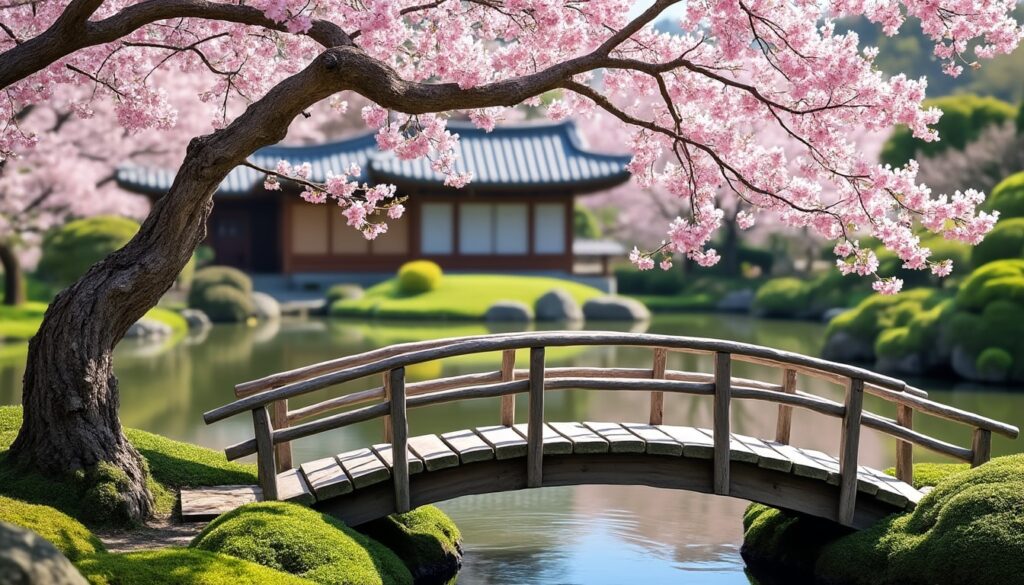
This serene walking path, lined with cherry trees, follows a tranquil canal and offers a reflective journey through Kyoto’s natural beauty. Named after a philosopher who used to meditate while walking this route, the Philosopher’s Path encourages introspection. As you stroll amid the blossoms, the symbolism of the fleeting cherry blossoms resonates with the transient nature of life itself. This pathway challenges you to pause, ponder, and appreciate both the beauty and brevity of the moment.
8. Tenryu-ji Temple
A UNESCO World Heritage site, Tenryu-ji Temple epitomizes the harmonious relationship between architecture and nature. Its gardens, meticulously designed in the 14th century, exemplify the concept of ‘strolling gardens,’ inviting you to explore and appreciate their beauty from various vantage points. The serene pond, framed by mountains, creates an idyllic panorama that captivates the senses. This architectural gem reminds visitors of the importance of nurturing our connection to nature, providing a space for reflection amid a busy world.
9. Sanjusangendo Temple
Home to 1,001 statues of Kannon, the Goddess of Mercy, Sanjusangendo Temple is a breathtaking spectacle that evokes a sense of reverence. The sheer number of statues, each intricately crafted, tells stories of compassion and hope. The temple’s long hall, where the statues are enshrined, creates a spiritual ambiance that invites deep contemplation. As you quietly navigate through the rows of figures, the atmosphere encourages introspection and offers a profound moment to consider the concepts of mercy and grace.
10. Ryoan-ji Rock Garden
Last but certainly not least, the Ryoan-ji Rock Garden is a quintessential example of Zen artistry. The carefully arranged rocks and meticulously raked gravel provoke meditation and contemplation. Each visitor experiences a different interpretation of the seemingly simple arrangement, prompting questions that encourage further reflection. This tranquil environment not only calms the spirit but also piques curiosity, inviting you to delve deeper into the philosophy of Zen and its teachings.
In conclusion, the allure of Kyoto lies not only in its stunning attractions but also in the transformative experiences they provide. Each site offers a unique perspective, inviting curiosity and contemplation about life, nature, and the seamless fusion of tradition and modernity. As you explore Kyoto, you will find that the true beauty of this ancient city lies in the moments of wonder it inspires, both externally and within.
FAQ
What are the must-see attractions in Kyoto?
Kyoto's must-see attractions include historic temples like Kinkaku-ji and Kiyomizu-dera, scenic spots such as the Arashiyama Bamboo Grove and Philosopher’s Path, and cultural districts like Gion.
Is Kyoto known for any UNESCO World Heritage Sites?
Yes, Kyoto has several UNESCO World Heritage Sites including Tenryu-ji Temple and Kiyomizu-dera.
When is the best time to visit Kyoto?
The best times to visit are during the cherry blossom season in spring and the colorful foliage season in autumn.






Leave a Reply