
Short Answer
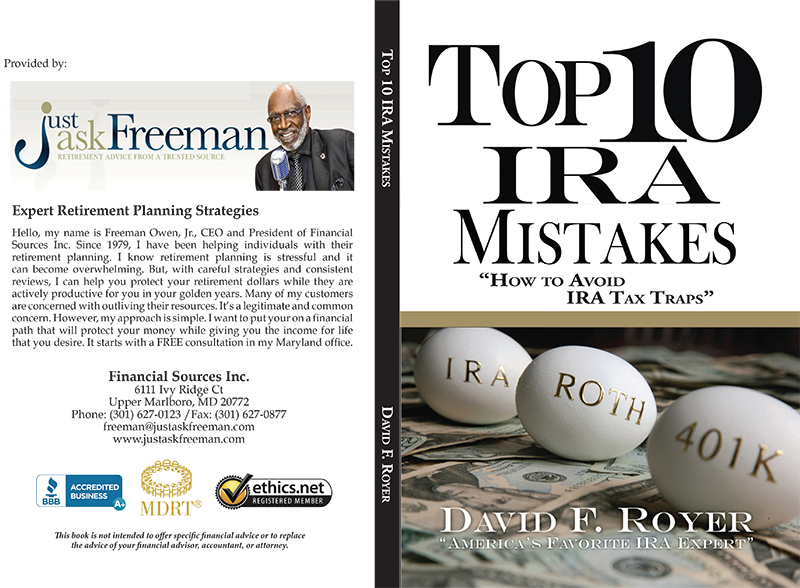
Individual Retirement Accounts (IRAs) are pivotal instruments for securing financial stability in one’s golden years. However, navigating the complexities of IRA management can be daunting, with numerous pitfalls that could potentially siphon away thousands of dollars from your nest egg. Here, we present the top ten IRA mistakes that are commonly overlooked yet can have far-reaching financial consequences.
1. Failing to Contribute Annually
One of the most pervasive errors is neglecting to make annual contributions. Many individuals are under the impression that missing a year or two will not significantly hinder their retirement savings. However, time is an ally in the realm of compound interest. By overlooking yearly contributions, you not only forego your personal savings growth but also miss out on potential tax advantages. Regular contributions, even if modest, can accumulate significantly over decades, making this mistake particularly costly.
2. Ignoring the Contribution Limits
Each year, the IRS sets contribution limits for IRAs. Ignoring these limits can lead to excess contributions, which may incur hefty penalties. Understanding the distinction between traditional and Roth IRAs is essential as they possess different thresholds. Furthermore, excess contributions must be corrected in a timely manner to avoid tax implications. Thus, awareness and compliance with these thresholds are critical to maintaining a healthy IRA.
3. Mismanaging Investments
Many IRA holders mistakenly pursue overly conservative or excessively risky investment strategies. An overly conservative portfolio may struggle to outpace inflation, thereby eroding purchasing power. Conversely, an overly aggressive portfolio may lead to significant losses during market downturns. A well-balanced approach, tailored to one’s financial objectives and risk tolerance, is paramount for healthy growth within the IRA over time.
4. Neglecting Required Minimum Distributions (RMDs)
Traditional IRAs necessitate the withdrawal of required minimum distributions starting at age 72. Failing to withdraw the appropriate amounts can result in punitive penalties of up to 50% on the undistributed sum. Understanding the rules governing RMDs is crucial for preventing such exceptional financial repercussions. Staying well-informed about the implications of RMDs ensures that retirees can preserve their funds while remaining compliant with IRS regulations.
5. Overlooking Beneficiary Designations
Life is unpredictable, and ensuring your IRA flows seamlessly to your heirs necessitates timely updates to beneficiary designations. Forgetting to designate or updating beneficiaries based on life changes—such as marriage, divorce, or the birth of a child—can result in assets being distributed contrary to one’s wishes. Regularly reviewing beneficiary designations can safeguard your legacy and prevent unforeseen complications during estate settlements.
6. Failing to Diversify
Concentrated investment strategies can expose your IRA to unnecessary risks. A lack of diversification can lead to catastrophic implications should the market for your singular investment plummet. Spreading investments across various asset classes—stocks, bonds, and alternative investments—can mitigate risk and bolster overall portfolio stability. Striking a balance is quintessential; diversification is not just a safeguard, but a deliberate strategy to capitalize on disparate market conditions.
7. Not Taking Advantage of Roth Conversion
Many individuals fail to explore the strategic potential of converting a traditional IRA to a Roth IRA. This transition can be especially beneficial for those who anticipate being in a higher tax bracket during retirement. Tax-free withdrawals in retirement can yield significant financial benefits, yet the conversion process may seem daunting. Engaging a financial professional can demystify this process, allowing individuals to make informed decisions regarding their IRAs.
8. Cashing Out Early
Accessing IRA funds prior to the age of 59½ may seem tempting in times of financial necessity, but the long-term consequences are dire. Early withdrawals typically lead to a 10% penalty on top of regular income taxes, significantly diminishing your retirement savings. The allure of immediate liquidity often blinds individuals to the broader ramifications of depleting retirement funds prematurely. A well-formulated emergency fund can mitigate such urges, thereby safeguarding your future financial health.
9. Ignoring Tax Implications
Understanding the tax ramifications of various IRA transactions is essential for maintaining fiscal discipline. For instance, the tax treatment of traditional and Roth IRAs differs substantially. Moreover, converting to a Roth IRA incurs immediate tax liabilities, which can have repercussions on your current income tax bracket. Engaging a tax advisor can elucidate the complexities associated with IRAs, ensuring an informed approach to managing your retirement assets.
10. Complacency
Finally, a lackadaisical approach to managing your IRA can foster stagnation. Economic conditions, personal financial situations, and investment nuances are constantly evolving. Failing to periodically assess and adjust your IRA strategy can lead to missed opportunities or ineffectual investment choices. Mining periodic reviews to realign with your fiscal goals can translate to sustained profitability and long-term growth.
By elucidating these critical pitfalls, individuals can navigate the intricate landscape of IRAs more adeptly. Financial prudence, continuous education, and proactive management are essential to preserving and enhancing retirement savings. Diligently avoiding these common errors can save thousands and ensure a more secure financial future.
FAQ
What are the penalties for missing Required Minimum Distributions (RMDs)?
Failing to withdraw the required minimum distributions from a Traditional IRA after age 72 can result in a penalty of up to 50% on the amount not withdrawn.
Can I contribute more than the IRS limits to my IRA?
No, contributing more than the IRS-set annual limits can lead to penalties and excess contributions must be corrected promptly to avoid tax issues.
What is the benefit of converting a Traditional IRA to a Roth IRA?
Converting to a Roth IRA allows for tax-free withdrawals during retirement, which may be advantageous if you expect to be in a higher tax bracket later.
What happens if I withdraw money from my IRA before age 59½?
Early withdrawals typically incur a 10% penalty plus regular income taxes, reducing your long-term retirement savings.
How often should I review my IRA beneficiary designations?
Beneficiary designations should be reviewed regularly, especially after major life events such as marriage, divorce, or the birth of a child, to ensure assets are distributed according to your wishes.






Leave a Reply