
Short Answer
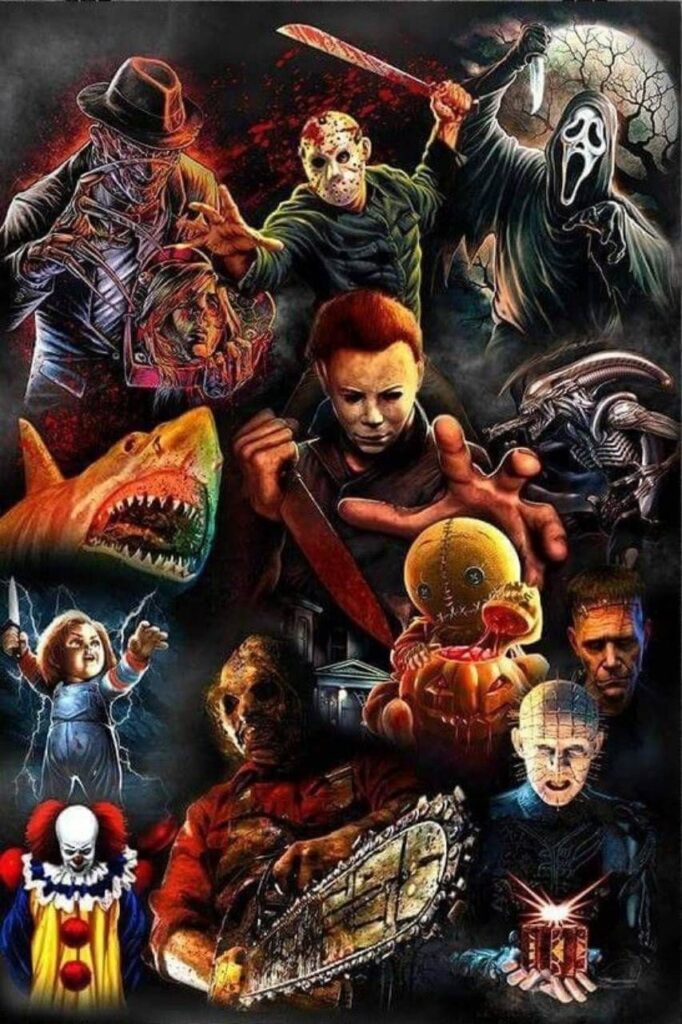
Horror movies, in their myriad forms, tap into primal fears, dark fantasies, and the enigmatic dance between life and death. The iconic characters that haunt our screens do more than simply terrify; they encapsulate the deepest anxieties of human existence. Here, we explore the top ten horror movie characters of all time, each a potent reflection of our darkest fears and desires, leaving an indelible mark on the genre.
1. Freddy Krueger (A Nightmare on Elm Street)
With his grotesque visage and gloved hand adorned with razor-sharp blades, Freddy Krueger epitomizes the fear of the unknown territories of dreams. He is not merely a boogeyman lurking under the bed; he is the embodiment of guilt, manifesting the consequences of parental sins. Each time he invades the subconscious, he transforms dreams—a safe haven during our slumber—into a nightmarish battleground. His sardonic quips juxtaposed with brutal violence create a disquieting atmosphere, making audiences question whether safety exists even in their most intimate sanctuaries.
2. Michael Myers (Halloween)
The stoic presence of Michael Myers manifests as an impenetrable force, a living metaphor for the monster that dwells within. His blank expression, concealed beneath the white mask, mirrors the unsettling enormity of unreasoning evil. As the personification of relentless pursuit, Myers serves as a shadow, intently stalking his prey with almost supernatural patience. Each calculated step underscores humanity’s innate vulnerability against forces that operate outside the realm of rationality, leaving an echo of dread long after the credits roll.
3. Dracula (Nosferatu)
As the archetype of the vampire mythos, Count Dracula thrives in the realms of seduction and terror. His elongated silhouette and piercing gaze embody the allure of the forbidden, drawing in potential victims under the guise of enchantment. Beyond bloodlust, Dracula represents the existential struggle between life and death, as well as the eternal quest for immortality. His creaturely form, introduced in the silent classic “Nosferatu,” invites audiences to ponder the dichotomies of desire and repulsion, illustrating how attraction can harbor a deadly darkness beneath.
4. The Bride (Bride of Frankenstein)
Frankenstein’s Bride serves as a beacon of tragic beauty trapped between two worlds. Created not out of love, but as a solution to loneliness, she embodies the complexities of identity and abandonment. The ethereal quality of her tragic existence elevates her beyond mere horror; she becomes a metaphor for societal rejection and the yearning for acceptance. Her haunting visage reflects the sorrow of what it means to be misunderstood, making her one of the most poignant figures in cinematic history.
5. Pennywise (It)
With a painted face and a sinister grin, Pennywise, the dancing clown, sinks deep into the realm of childhood fears. This character encapsulates the thematic terror of the fears that fester in the dark corners of our minds. Every laugh masks a lurking malevolence, turning innocence into horror. Pennywise is the tangible manifestation of societal dread, reminding us that often the most terrifying realities lurk behind joyous facades. His ability to shape-shift into what frightens us the most illustrates a powerful narrative about confronting one’s fears head-on.
6. Norman Bates (Psycho)
The character of Norman Bates serves as a chilling study of duality. The unsuspecting motel owner is a portrait of both affability and monstrosity, trapped within the confines of his own fractured psyche. His criminal acts stem from deep-seated trauma and an intense struggle for autonomy soaked in maternal influence. Norman’s unsettling duality forces the audience to confront their own perceptions of good and evil—how easily they can blur and transform, challenging the notions of insanity and societal labels.
7. Leatherface (The Texas Chainsaw Massacre)
Leatherface stands at the intersection of brute carnage and an explored humanity. His leather mask, crafted from the skin of his victims, becomes an unsettling statement on identity, showcasing how trauma shapes one’s existence. The chainsaw, an icon of mechanized slaughter, embodies industrial horror—civilization failing to suppress primal instincts. Leatherface’s brutality serves as a haunting reminder of the horrors bred by familial relationships, tradition, and the dark underbelly of rural America.
8. Chucky (Child’s Play)
What happens when innocence is wrapped in malice? Chucky, the possessing doll, marries the macabre with a childish façade. His laughter undercuts the terror depicted in his murderous antics. Chucky critiques the concept of childhood innocence by introducing narratives of betrayal and vengeance through a seemingly innocuous object. The juxtaposition of a child’s toy participating in adult horrors weaves a frightening tapestry of adult realities intersecting with naïve perspectives.
9. Ghostface (Scream)
Ghostface, the mask and persona of the Scream franchise, encapsulates the essence of self-awareness in horror. As he detects and critiques the very actions of the genre, Ghostface blurs the line between victim and aggressor. This character is an unsettling reminder of media consumption and societal fascination with violence. His ability to invoke terror while serving as a commentary on horror tropes positions him as a pioneering figure that captures the zeitgeist of the era.
10. Sam (Trick ‘r Treat)
Embodying the spirit of Halloween, Sam is a wistful figure, a guardian of traditions both macabre and merry. His pumpkin mask and candy-filled sack create an enchanting yet ominous presence that reverberates through interconnected tales of terror. Sam symbolizes the blurred lines of moral folklore—teaching lessons of respect for the sacred practices of Halloween. His delight in chaos illustrates the alluring nature of fear and the joy caught in the act of storytelling.
In summary, the characters listed above transcend the screen, provoking contemplation about the human condition. They embody humanity’s deepest fears and darkest reflections, leading us through a haunting labyrinth of self-discovery and existential dread. Each character is a complex tapestry of culture, psychology, and mythology, showcasing the compelling allure of horror in narrative form. These icons remain etched in our psyche, ensuring both terror and intrigue linger long after watching their stories unfold.
FAQ
Who are some of the most iconic horror movie characters?
The article highlights Freddy Krueger, Michael Myers, Dracula, The Bride of Frankenstein, Pennywise, Norman Bates, Leatherface, Chucky, Ghostface, and Sam as some of the most iconic horror movie characters.
What themes do horror movie characters often represent?
Horror movie characters commonly embody fears such as the unknown, guilt, death, societal rejection, childhood fears, duality of personality, trauma, and the blurring of good and evil.
Why is Freddy Krueger considered a significant horror character?
Freddy Krueger represents the fear of the unknown in dreams and the consequences of parental sins, creating a nightmarish presence that invades the subconscious.




Leave a Reply