
Short Answer
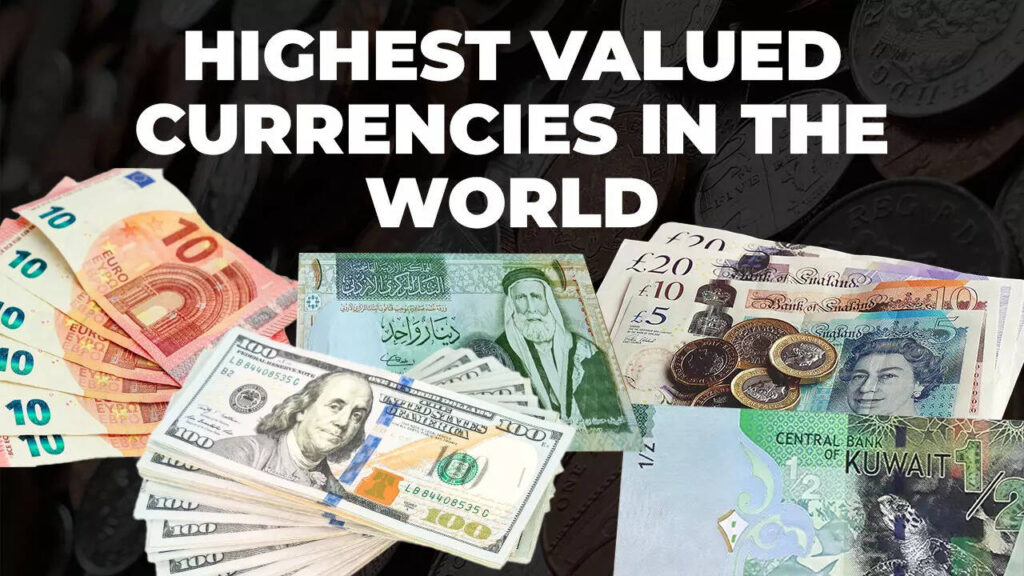
Have you ever found yourself pondering which currency holds the highest value in the world? It’s a compelling question, particularly for globetrotters and financial aficionados alike, who often seek the best exchange rates when traveling or investing abroad. Beyond mere numbers, the dynamics surrounding currency valuation unfold a fascinating narrative of economies, politics, and cultures. In this exploration, we will unveil the top 10 highest value currencies in the world, each representing not only financial might but also unique economic ecosystems. Be prepared, as we immerse ourselves in a realm where fiscal value meets the intricacies of global commerce.
1. Kuwaiti Dinar (KWD)
The Kuwaiti Dinar reigns supreme as the highest valued currency globally. Currently, one KWD is equivalent to approximately 3.30 USD. The strength of the Dinar is largely attributed to Kuwait’s prolific oil reserves and productive economy. With a substantial export market leaning heavily on petroleum, Kuwait’s fiscal policies and investment in diversification bolster the currency’s enduring worth.
2. Bahraini Dinar (BHD)
Following closely is the Bahraini Dinar, with an exchange rate of about 2.65 USD for one BHD. As a small island nation in the Persian Gulf, Bahrain cultivates a robust banking sector and attracts foreign investment, leading to its currency gaining notable strength. The government’s efforts to enhance financial services and develop infrastructure allow the BHD to maintain its high valuation.
3. Omani Rial (OMR)
The Omani Rial is another heavyweight in the currency arena, valued at roughly 2.60 USD to the OMR. Oman’s stable economy, underpinned by oil exports and a strategic focus on tourism and investments, has had a direct influence on the strength of its currency. The Rial embodies the nation’s rich heritage and ambition for sustainable growth, making it a pivotal player in Middle Eastern economics.
4. Jordanian Dinar (JOD)
At approximately 1.41 USD per JOD, the Jordanian Dinar stands as a testament to Jordan’s resilient financial policies in the face of regional challenges. With imports and remittances playing substantial roles in its economy, the JOD maintains its value through diligent monetary policy and a focus on stability, which is crucial in an often-volatile region.
5. British Pound Sterling (GBP)
The British Pound Sterling, known as one of the oldest currencies still in use today, holds an impressive exchange rate of about 1.35 USD. The GBP’s strength is undergirded by the United Kingdom’s historic economic influence and central role in global finance. The Pound reflects the UK’s diverse economy, and its resilience through various economic challenges showcases its dynamic nature.
6. Swiss Franc (CHF)
Valued at approximately 1.10 USD for one CHF, the Swiss Franc signifies financial security and stability. Switzerland’s political neutrality, expert banking system, and robust export market play pivotal roles in reinforcing the Franc’s value. As a safe-haven currency, it is often sought by investors during economic turmoil, adding layers to its worth beyond mere exchange rates.
7. Euro (EUR)
One Euro exchanges for around 1.05 USD, positioning it as a major global currency next to established national currencies. The Euro represents the collective economic strength of Eurozone countries and facilitates trade across member states. Its value fluctuates depending on the economic circumstances of these nations, demonstrating the interconnectedness of European economies.
8. US Dollar (USD)
The US Dollar, while perhaps a surprise at this point, retains its esteemed position with an exchange rate of approximately 1.00 USD. It serves as the world’s primary reserve currency and is widely accepted across the globe. The USD’s value is bolstered by the United States’ powerful economy, extensive trade networks, and the prevalence of dollar-denominated commodities.
9. Canadian Dollar (CAD)
The Canadian Dollar, trading at around 0.76 USD, might not seem as formidable, but reflects Canada’s stable economy backed by abundant natural resources, especially oil and timber. Its valuation can pivot with fluctuations in crude oil prices, drawing attention to the importance of resource management in currency strength.
10. Australian Dollar (AUD)
Concluding our list, the Australian Dollar exchanges at approximately 0.64 USD. This currency not only exemplifies Australia’s rich mineral wealth but also its distinct trading relationships with Asia, particularly China. The AUD has earned a reputation for its resilience and reflects Australia’s successfully diversified economy, bolstered by agriculture and technology.
Understanding these highest valued currencies offers insight not just into numbers but the comprehensive interplay of various factors influencing global markets. As economic landscapes evolve and currencies fluctuate, one may wonder: Which of these currencies would you entrust with your investments, and how could they shape your financial future? The challenge now lies in your hands—explore these currencies further, delve into their economic backstories, and perhaps consider how they fit into your own financial strategy. Whether for travel, trade, or investment, being informed about the currency landscape can significantly enhance your decision-making prowess. Navigate wisely, and you may just discover a new economic perspective that enriches your global journey.
FAQ
Which currency is currently the highest valued in the world?
The Kuwaiti Dinar (KWD) is currently the highest valued currency in the world.
Why do oil-rich countries tend to have strong currencies?
Oil-rich countries often have strong currencies because oil exports generate significant revenue, supporting economic stability and fiscal policies that maintain currency value.
What role does political stability play in currency valuation?
Political stability fosters investor confidence and economic predictability, which helps maintain or increase a currency's value.
How does the Euro compare to national currencies in value?
The Euro combines the economic strength of multiple Eurozone countries, making it a major global currency with a value close to the US Dollar.




Leave a Reply