
Short Answer
In an era increasingly dominated by pharmaceuticals, the wisdom of nature’s apothecary—the herbal plant—remains irreplaceable. For centuries, cultures around the globe have harnessed the bounteous health benefits of various herbs, often celebrating them for their medicinal properties. This article explores ten remarkable herbal plants that not only enhance culinary delights but also offer profound health benefits, making them invaluable contributors to a holistic lifestyle.
1. Ashwagandha (Withania somnifera)
Ashwagandha, often hailed as a cornerstone of Ayurvedic medicine, is an adaptogenic herb renowned for its remarkable ability to combat stress and anxiety. It works by modulating cortisol levels, thereby fostering a sense of tranquility. Additionally, ashwagandha may enhance cognitive function and improve physical performance, making it a favored choice among athletes and those seeking mental clarity. Its versatility transcends forms—whether as a powder mixed into smoothies or as capsules, it is easily integrated into daily routines.
2. Turmeric (Curcuma longa)
No discussion on herbal health can overlook turmeric, the vibrant golden spice revered for its active compound, curcumin. Curcumin possesses potent anti-inflammatory and antioxidant properties, making it an ally for combating chronic diseases. Regular consumption of turmeric has been linked to improved joint health, enhanced brain function, and even potential improvements in mood disorders. Incorporating turmeric into meals, teas, or supplements can be a flavorful way to boost overall wellness.
3. Echinacea (Echinacea purpurea)
Echinacea stands as a formidable sentinel of the immune system. Traditionally used by Native Americans, this herb is celebrated for its ability to prevent colds and respiratory infections. Its phytochemicals stimulate the production of white blood cells, fortifying the body’s defenses. Whether enjoyed as a tea, tincture, or capsule, echinacea is often taken at the first sign of sickness, potentially reducing the duration of an illness. This proactive approach to health underscores the need for preventative measures in maintaining well-being.
4. Ginger (Zingiber officinale)
Not merely a culinary spice, ginger is a powerhouse of health benefits. Its potent anti-inflammatory properties make it a formidable opponent to nausea, particularly for those experiencing morning sickness or motion sickness. Furthermore, ginger also aids digestion and may alleviate muscle soreness following exercise. The dynamic rhizome can be consumed fresh, dried, or in the form of ginger tea, making it a versatile addition to any health regimen.
5. Peppermint (Mentha piperita)
Peppermint is renowned for its invigorating aroma and flavor, but its health benefits extend far beyond sensory pleasure. The essential oils found within peppermint have been shown to relieve digestive issues, particularly bloating and indigestion. Additionally, peppermint is known to alleviate headaches thanks to its muscle-relaxing properties, allowing for enhanced mental clarity. Whether enjoyed as a soothing peppermint tea or incorporated into aromatherapy, this herb proves remarkably effective in multiple forms.
6. Ginseng (Panax ginseng)
Ginseng is often referred to as a “panacea” owing to its diverse health benefits. This revered herb is believed to bolster energy levels and enhance concentration. Its adaptogenic properties enable the body to resist stress, while also promoting overall vitality. Ginseng is typically consumed in powdered form, capsules, or as a tea; regardless of the method, its invigorating effects are noteworthy. Those seeking a natural boost should consider introducing ginseng into their daily ritual.
7. Lavender (Lavandula angustifolia)
Lavender enchants with its fragrant aroma, but its benefits transcend mere olfactory pleasure. It has long been associated with relaxation, with numerous studies demonstrating its efficacy in alleviating anxiety and promoting quality sleep. Lavender essential oil is particularly popular in aromatherapy, while dried lavender can be steeped to create a calming tea. Incorporating lavender into a nighttime routine can significantly enhance sleep quality, making it ideal for those grappling with insomnia.
8. Holy Basil (Ocimum sanctum)
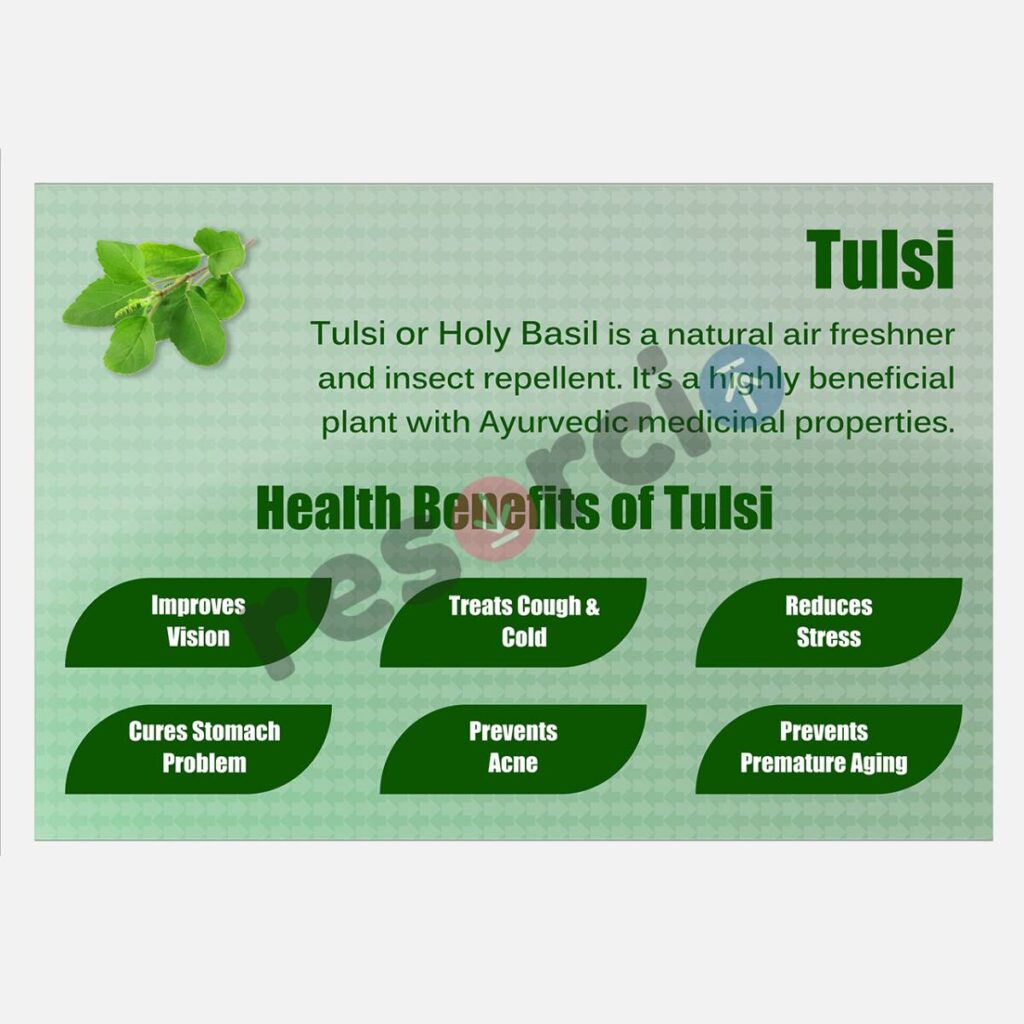
Known as “Tulsi” in India, holy basil is revered for its adaptogenic properties. This herb is believed to help the body adapt to stress and promote mental balance. Beyond its anti-stress effects, holy basil is also noted for its anti-inflammatory and antimicrobial benefits. Consumed as a tea or taken in supplement form, it supports respiratory health and overall vitality, making it a beneficial addition for anyone seeking equilibrium in their life.
9. Milk Thistle (Silybum marianum)
Milk thistle, with its striking purple flowers, is heralded as a powerful ally for liver health. The active compound, silymarin, has been shown to protect liver cells from toxins and may even aid in the repair of damaged liver tissue. Those who consume alcohol regularly or are concerned about their liver function should consider incorporating this herb into their regimen, whether through capsules or extracts, to support detoxification and overall liver health.
10. Chamomile (Matricaria chamomilla)
Last but not least, chamomile is cherished for its calming properties, commonly enjoyed as a bedtime tea. Its natural sedative effects can alleviate insomnia and anxiety, leading to restful sleep. Additionally, chamomile possesses anti-inflammatory properties that may soothe digestive issues and skin irritation. Regular consumption can contribute to improved overall well-being, reinforcing chamomile’s place as a staple in herbal medicine.
In harvesting the potential of herbal plants, individuals not only embrace nature’s bountiful gifts but also equip themselves with potent tools for enhancing health. Each of these ten herbs offers distinct advantages, from mental clarity to immune support, reinforcing the notion that nature often holds the keys to our wellness. As one integrates these plants into their diet and lifestyle, they embark on a journey toward holistic health, rooted in the wisdom of traditional herbal practices. The harmonious blend of nature’s offerings promises not just improved health but a deeper connection to the age-old legacy of herbal healing.
FAQ
What are the health benefits of Ashwagandha?
Ashwagandha is known for its adaptogenic properties that help reduce stress and anxiety, improve cognitive function, and enhance physical performance.
How does turmeric support health?
Turmeric contains curcumin, which has potent anti-inflammatory and antioxidant effects that may improve joint health, brain function, and mood.
Can Echinacea help prevent colds?
Yes, Echinacea is traditionally used to stimulate the immune system and may reduce the duration and severity of colds.
What forms are these herbal plants commonly consumed in?
They are commonly consumed as teas, capsules, powders, tinctures, or incorporated into food and aromatherapy.
Are these herbal plants safe to use daily?
While many herbal plants are safe for daily use, it’s important to consult a healthcare professional, especially when taken alongside medications or for chronic conditions.






Leave a Reply