
Short Answer
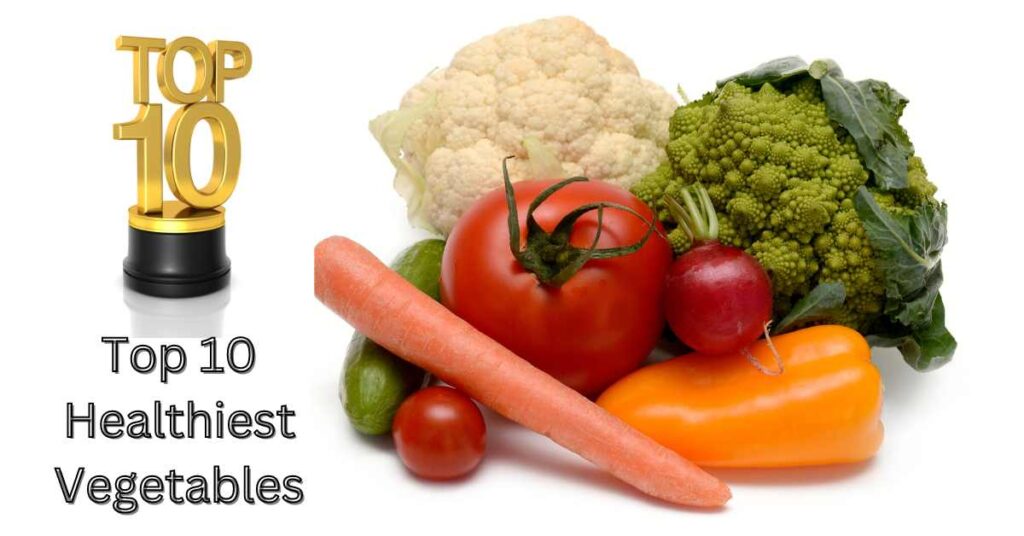
When it comes to nutrition, vegetables reign supreme as a cornerstone of a balanced diet. Their vibrant hues and diverse flavors not only tantalize taste buds but also confer a plethora of health benefits that are hard to overlook. Despite the popularity of various health foods, the humble vegetable often takes a backseat in conversations about wellness. This article delves into the ten healthiest vegetables that deserve a prominent place on your plate. Each of these botanical marvels offers unique attributes that contribute significantly to your overall health.
1. Spinach
In the realm of greens, spinach is an undisputed champion. This leafy wonder is brimming with vitamins A, C, and K, along with an impressive array of antioxidants. Its nutrient density supports ocular health and bolsters the immune system. Beyond this, spinach contains iron, which is essential for energy production, making it a perfect addition to the diet of those leading an active lifestyle. Additionally, the presence of flavonoids in spinach exhibits potential cancer-fighting properties, inviting further research into its healthful capabilities.
2. Broccoli
Broccoli, often referred to as a superfood, is a cruciferous vegetable that is exceptionally rich in vitamins C and K. It contains sulforaphane, a compound linked to the detoxification processes in the body and renowned for its cancer-preventive properties. The fiber content in broccoli also promotes digestive health and aids in maintaining a healthy weight. Its versatility allows for a variety of culinary applications, making it an essential staple in many dietary regimens.
3. Kale
Kale has surged in popularity in recent years, and rightfully so. This robust green is a powerhouse of nutrients, including vitamins A, K, and C. With an abundant supply of antioxidants, kale plays a pivotal role in combating oxidative stress, thus protecting the body from chronic diseases. Furthermore, its high calcium content makes it a viable option for those seeking non-dairy sources of this vital mineral, underscoring kale’s versatility and importance in a well-rounded diet.
4. Sweet Potatoes
Often overshadowed by their more starchy cousins, sweet potatoes are a sweet and nutritious delight packed with beta-carotene. This antioxidant converts to vitamin A in the body, essential for vision and skin health. Their high fiber content not only enhances digestive health but also contributes to a feeling of fullness, which can help in weight management. Sweet potatoes also provide complex carbohydrates that supply sustained energy, making them an excellent choice for those engaged in regular physical activity.
5. Carrots
Carrots are perhaps best known for their beta-carotene content, a precursor to vitamin A that is particularly beneficial for eye health. Beyond their ocular advantages, carrots contain an array of phytonutrients that may exhibit anti-inflammatory and antioxidant effects. Enjoyed raw, cooked, or juiced, these vibrant veggies add a splash of color and nutrition to any meal, proving that healthy eating does not have to lack excitement.
6. Bell Peppers
Bell peppers, particularly in their varied colors—red, yellow, and green—are not just aesthetically appealing but also nutritionally impressive. Rich in vitamins A and C, they deliver significant antioxidant protection, aiding in immune system function and skin health. Moreover, bell peppers contain capsaicin, which has been associated with pain relief and improved metabolism. The crunch of a fresh bell pepper adds both flavor and texture to countless dishes, making them a versatile addition to your diet.
7. Brussels Sprouts
Brussels sprouts are a member of the cruciferous family, celebrated for their rich nutrient profile. These mini-cabbages are high in vitamins C and K, as well as fiber, which supports digestive health. Research indicates that the glucosinolates in Brussels sprouts may hold cancer-preventive potential, making them a smart choice for health-conscious individuals. When roasted or sautéed, they develop a delightful caramelization that elevates their flavor to new heights.
8. Cauliflower
Cauliflower is emblematic of the low-carb movement, frequently serving as a versatile substitute for grains and legumes. With a high vitamin C content and plethora of antioxidants, this cruciferous vegetable exhibits anti-inflammatory properties that contribute to overall health. Its ability to absorb flavors makes cauliflower a culinary chameleon, lending itself perfectly to a host of recipes, from rice substitutes to creamy soups.
9. Asparagus
Asparagus is a seasonal delicacy that is both decadent and healthful. Its diuretic properties promote kidney health and assist in ridding the body of excess toxins. Packed with vitamins A, C, E, and K, asparagus contributes to skin health and immune function. Additionally, its fiber content aids in digestion, while its unique antioxidants protect cellular integrity, making it a gourmet yet genuinely beneficial choice for any meal.
10. Beets
Beets are a vibrant root vegetable that offer more than just a bright splash of color to your plate. They are rich in nitrates, which have been shown to improve blood flow and lower blood pressure. Beetroots are also a good source of folate, supporting cardiovascular health and cell function. Whether roasted, pickled, or blended into a smoothie, beets provide both a flavor adventure and a nutrient boost.
In conclusion, incorporating these ten vegetables into your diet can significantly enhance your nutritional intake and promote better health. Each vegetable boasts a unique combination of vitamins, minerals, and antioxidants, underscoring the importance of a diverse diet rich in plant-based foods. Discovering new ways to enjoy these colorful treasures will not only elevate your culinary repertoire but also create a foundation for long-lasting health and wellbeing. Embrace the bounty of nature and allow these vegetables to nourish your body and soul.
FAQ
Which vegetable is highest in antioxidants?
Kale and spinach are among the highest in antioxidants, helping to combat oxidative stress.
Can these vegetables be eaten raw or cooked?
Most can be enjoyed both raw and cooked, depending on preference and recipe.
Are sweet potatoes better than regular potatoes?
Sweet potatoes offer more fiber and beta-carotene, making them a more nutritious choice.





Leave a Reply