
Short Answer
In an era where health consciousness is on the rise, understanding the nutritional value of foods can empower individuals to make informed dietary choices. With a plethora of options available, it becomes imperative to recognize which foods stand out due to their exceptional health benefits. This article elucidates the top 10 healthiest foods in the world, meticulously ranked based on their nutritional profiles, health benefits, and versatility in culinary applications.
1. Kale
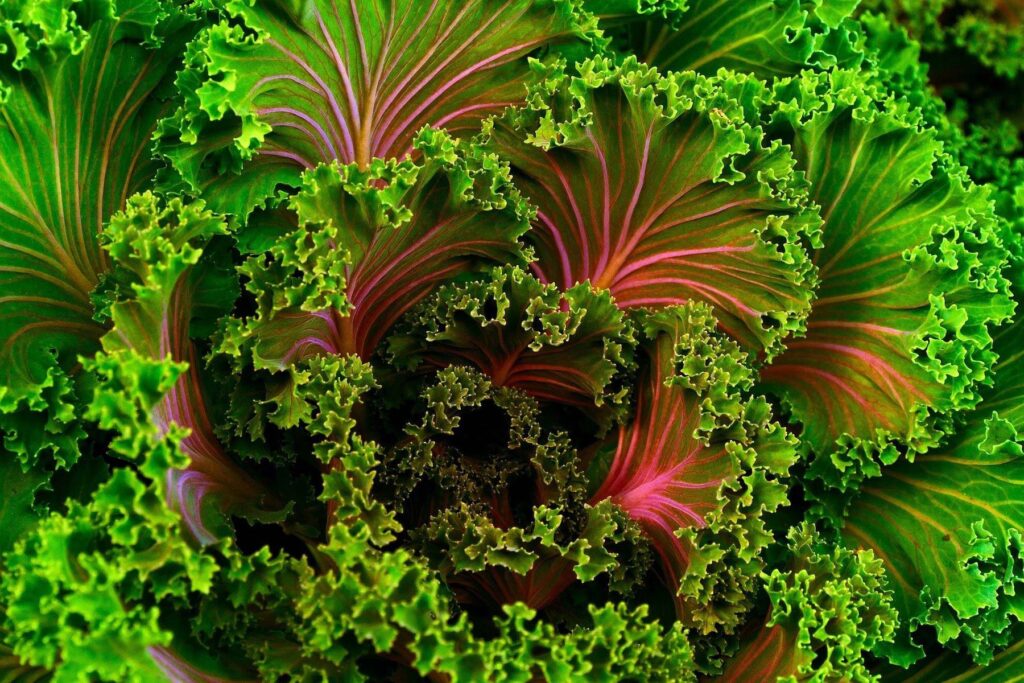
Kale, often heralded as a superfood, is rich in vitamins A, C, and K, alongside an impressive number of antioxidants. This leafy green vegetable is not only low in calories but also high in fiber, which promotes digestive health. Its versatility allows it to be incorporated into salads, smoothies, or even baked as crispy chips, making it a staple for health enthusiasts.
2. Salmon
Renowned for its omega-3 fatty acids, salmon is an exemplary source of protein that contributes to heart health and reduces inflammation. The high levels of DHA and EPA found in salmon help protect against cardiovascular diseases and cognitive decline. Whether grilled, baked, or incorporated into sushi, salmon is a delectable option that nourishes the body and delights the palate.
3. Quinoa
This ancient grain has surged in popularity for good reason. Quinoa is unique in that it is a complete protein, providing all nine essential amino acids needed for muscle repair and growth. Additionally, it boasts a plethora of vitamins and minerals, including magnesium and iron. A versatile ingredient, quinoa can be used in salads, bowls, or as a hearty side dish.
4. Blueberries
Considered a powerhouse of antioxidants, blueberries rank among the healthiest fruits available. They are rich in vitamins C and K, and are associated with reduced risks of heart disease and cognitive decline. Their natural sweetness and vibrant color make them an excellent addition to breakfast dishes, smoothies, and desserts alike.
5. Broccoli
This cruciferous vegetable is celebrated not only for its rich nutrient composition but also for its potential cancer-fighting properties. Broccoli is loaded with vitamins A, C, and K, fiber, and a variety of phytochemicals. Consumed steamed, roasted, or raw, it adds a crunch and a nutrition boost to any meal.
6. Sweet Potatoes
A fantastically nutritious tuber, sweet potatoes are an excellent source of beta-carotene, fiber, and several vitamins. Their natural sweetness and versatile nature make them a favorable choice for both savory and sweet dishes. Baked, mashed, or turned into fries, sweet potatoes offer a myriad of culinary possibilities while supporting optimal health.
7. Greek Yogurt
This creamy dairy product is revered for its probiotic content, which contributes to gut health. Packed with protein and calcium, Greek yogurt serves as a satiating snack or breakfast option. Additionally, its tangy flavor pairs exceptionally well with fruits, nuts, or honey, enhancing both taste and nutritional value.
8. Lentils
A cornerstone of plant-based diets, lentils are an excellent source of plant protein and iron. These legumes are high in fiber, making them a sensible choice for maintaining digestive health. Their ability to absorb flavors makes lentils a versatile ingredient in soups, salads, and curries, catering to diverse culinary traditions.
9. Chia Seeds
These tiny seeds are packed with omega-3 fatty acids, fiber, and essential minerals, contributing to overall health. Their ability to gel and expand in liquids makes chia seeds ideal for creating puddings or adding to smoothies. Their nutritional profile supports heart health and aids in digestion, positioning them as a vital addition to any health-oriented diet.
10. Avocado
This unique fruit is lauded for its monounsaturated fats, which promote heart health and contribute to satiety. Rich in vitamins E, C, and B6, avocados provide numerous health benefits that range from enhancing skin health to reducing cholesterol levels. Whether spread on toast, blended into smoothies, or diced into salads, avocados add creamy richness and unparalleled nutrition.
In conclusion, incorporating these top 10 healthiest foods into daily meals can vastly improve health and well-being. Each food offers its distinctive nutrient profile, allowing diverse dietary choices that can be adapted to individual preferences and lifestyles. From hearty grains to vibrant fruits and vegetables, the culinary world is ripe with possibilities that can satiate the palate while nourishing the body. Making conscious decisions about what to eat not only fosters a healthier lifestyle but also enhances the overall quality of life.
FAQ
What makes a food healthy?
A healthy food is typically rich in essential nutrients like vitamins, minerals, fiber, and healthy fats, while being low in unhealthy components such as excessive sugars, saturated fats, and additives.
Why is kale considered a superfood?
Kale is considered a superfood because it is packed with vitamins A, C, and K, antioxidants, and fiber, making it highly nutritious and beneficial for digestive health.
How does salmon benefit heart health?
Salmon contains omega-3 fatty acids, particularly DHA and EPA, which help reduce inflammation, lower blood pressure, and protect against cardiovascular diseases.
Can quinoa be a complete protein source for vegetarians?
Yes, quinoa is a complete protein, providing all nine essential amino acids, which makes it an excellent plant-based protein source for vegetarians.
What are the benefits of probiotics in Greek yogurt?
Probiotics in Greek yogurt support gut health by promoting a balanced gut microbiome, improving digestion, and enhancing the immune system.
FAQ
What are the benefits of eating kale?
Kale is rich in vitamins A, C, and K, antioxidants, and fiber, which support digestive health and overall wellness.
Why is salmon considered healthy?
Salmon contains omega-3 fatty acids that help reduce inflammation, support heart health, and protect against cognitive decline.
Is quinoa a good source of protein?
Yes, quinoa is a complete protein providing all nine essential amino acids necessary for muscle repair and growth.
How do blueberries contribute to health?
Blueberries are high in antioxidants and vitamins C and K, which help reduce the risk of heart disease and cognitive decline.
What makes Greek yogurt beneficial for gut health?
Greek yogurt contains probiotics that promote gut health, along with protein and calcium.
FAQ
What makes these foods the healthiest in the world?
These foods are considered the healthiest due to their high nutrient density, presence of essential vitamins, minerals, antioxidants, and health-promoting compounds that support various bodily functions and reduce disease risk.
How can I incorporate these foods into my daily diet?
These foods can be incorporated in various ways such as adding kale to salads or smoothies, eating grilled salmon, using quinoa as a side dish, snacking on blueberries, or including lentils in soups and stews.
Are these foods suitable for all dietary preferences?
Most of these foods cater to diverse dietary preferences including plant-based, pescatarian, and omnivorous diets, although individuals with specific allergies or dietary restrictions should consider alternatives.
Do these foods help in weight management?
Yes, many of these foods are high in fiber, protein, and healthy fats, which promote satiety and can aid in weight management when included as part of a balanced diet.





Leave a Reply