
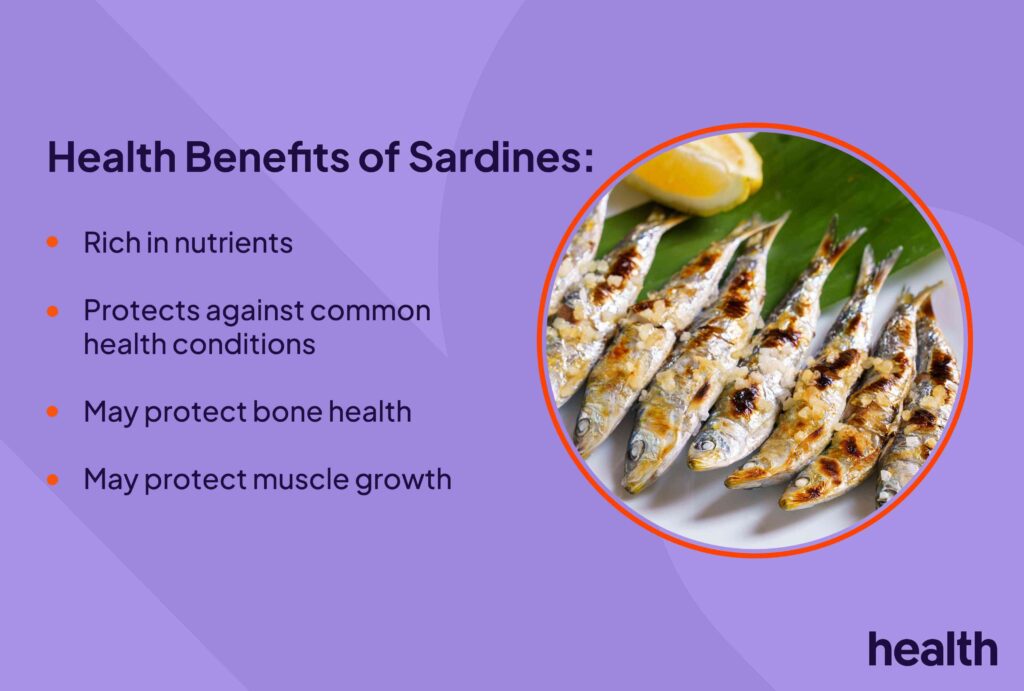
Short Answer
Sardines, often overlooked in the realm of seafood, possess an impressive array of health benefits that cater specifically to the heart and brain. These small yet nutrient-dense fish are a powerhouse of omega-3 fatty acids, vitamins, and minerals. While many people might regard sardines as just another food option, a closer examination reveals that they hold profound significance for those striving to enhance their cardiovascular health and cognitive function. Herein, we delve into the top ten health benefits of sardines, illuminating their virtues and the underlying reasons for their growing popularity in dietary regimens.
1. Rich Source of Omega-3 Fatty Acids
Sardines are replete with omega-3 fatty acids, notably EPA (eicosapentaenoic acid) and DHA (docosahexaenoic acid). These essential fats play a crucial role in combating inflammation throughout the body, particularly in the heart and brain. Regular consumption of omega-3s has been linked to reduced risks of heart disease, stroke, and various cognitive disorders. For those passionate about holistic health, the inclusion of sardines in the diet can be a transformative step towards more robust cardiovascular integrity.
2. Heart Health Booster
The high omega-3 content in sardines contributes significantly to maintaining heart health by lowering blood pressure and cholesterol levels. These fatty acids facilitate the reduction of triglycerides while promoting the production of HDL (high-density lipoprotein) cholesterol, often referred to as “good” cholesterol. This biochemistry ultimately results in a lower risk of atherosclerosis, reducing the likelihood of heart attacks and other cardiovascular events.
3. Cognitive Function Enhancement
Cognitive decline often ensues with age, but the consumption of sardines can help stave off this inevitable deterioration. DHA, one of the primary omega-3 fatty acids found in sardines, is a crucial component of neuronal cell membranes. Higher levels of DHA are associated with improved memory and cognitive function, serving as a formidable ally against Alzheimer’s disease. With this nutritional input, one can fortify their cognitive fortitude against the ravages of time.
4. High in Vitamin D
Sunshine vitamin, or vitamin D, plays an integral role in heart and brain health. Sardines are among a select few natural food sources of vitamin D, which is pivotal for calcium absorption and bone health. Moreover, optimal vitamin D levels have been correlated with improved mood and a potential reduction in depressive symptoms. Thus, consuming sardines may lead to not only a stronger skeleton but also an enhanced emotional well-being.
5. Excellent Source of Protein
Protein is the building block of the body, essential for muscle development, repair, and various metabolic functions. Sardines provide a concentrated source of protein, making them an excellent option for those aiming to increase their intake of high-quality protein without excessive caloric load. This nutrient plays an indispensable role in maintaining muscle mass and overall physical health, aspects vital for aging populations.
6. Presence of Antioxidants
The nutritional benefits of sardines extend beyond essential fatty acids, with their antioxidant properties being particularly noteworthy. Sardines contain astaxanthin, a powerful carotenoid, which contributes to the fight against oxidative stress. Antioxidants are vital for mitigating inflammation and combating free radicals, potentially preempting various chronic diseases associated with aging.
7. Mitigating Blood Sugar Levels
Research suggests that a diet rich in omega-3 fatty acids, such as that provided by sardines, can result in better regulation of blood sugar levels. For individuals grappling with insulin resistance or diabetes, incorporating sardines into meal planning may lead to improved glycemic control. The protein content paired with healthy fats creates a balanced nutrient profile that supports sustained energy levels throughout the day.
8. Viable Alternative to Larger Fish
In an era where mercury contamination poses a significant concern for seafood consumers, sardines emerge as an excellent alternative. Their small size translates to lower mercury accumulation compared to larger fish species. This aspect makes sardines a safer option, ensuring that one can enjoy the health benefits of seafood without the accompanying risks, a notable consideration for environmentally conscious individuals.
9. Support for Joint and Bone Health
With their high content of omega-3s and vitamin D, sardines provide robust support for joint health. These nutrients possess anti-inflammatory properties that can alleviate symptoms of arthritis. Moreover, the combined presence of calcium, phosphorus, and vitamin D in sardines fortifies the skeletal system, promoting strong bones and potentially diminishing the risk of osteoporosis.
10. Culinary Versatility
Sardines are not only a nutrition dynamo, but they also offer remarkable culinary versatility. From being incorporated into salads to serving as a delightful tapenade spread, sardines adapt effortlessly to various dishes. Their umami flavor enhances a multitude of culinary creations, making them an easy addition to any diet. This accessibility paves the way for savoring the myriad health benefits they provide without sacrificing gastronomic pleasure.
In conclusion, sardines emerge as a formidable ally in the pursuit of enhanced heart and brain health. Packed with omega-3 fatty acids, antioxidants, vitamins, and minerals, these small fish are deserving of a place at the table of health-conscious consumers. With their multifaceted benefits ranging from cardiovascular protection to cognitive enhancement, sardines offer a pragmatic approach to nutritional wellness that is both approachable and delightful. Embracing sardines opens the door to a vibrant, healthful lifestyle, reminding us that sometimes, the smallest solutions yield the most profound benefits.
FAQ
What are the main health benefits of eating sardines?
Sardines support heart and brain health due to their omega-3 fatty acids, vitamin D, and protein content, and also provide antioxidants that help reduce inflammation.
Are sardines a good source of vitamin D?
Yes, sardines are one of the few natural food sources of vitamin D, which is important for bone health and mood regulation.
Why are sardines considered a safer seafood option?
Because they are small fish, sardines tend to accumulate less mercury than larger predatory fish, making them safer for regular consumption.
Can sardines help with cognitive decline?
Yes, the DHA in sardines supports neuronal health and has been linked to improved memory and reduced risk of Alzheimer’s disease.
How can sardines be included in a diet?
Sardines can be eaten fresh or canned and incorporated into salads, sandwiches, spreads, or as a protein-rich snack.






Leave a Reply