
Short Answer
In the realm of superfoods, few can claim the crown quite like kale. This leafy green, with its distinct, robust texture and earthy flavor, has garnered widespread acclaim as a nutritional powerhouse. It is particularly lauded for its myriad health benefits that extend far beyond its palatability. As we delve into the top ten health benefits of kale, it becomes evident that incorporating this verdant vegetable into your diet may be one of the most astute choices for holistic health.
1. Nutrient Density
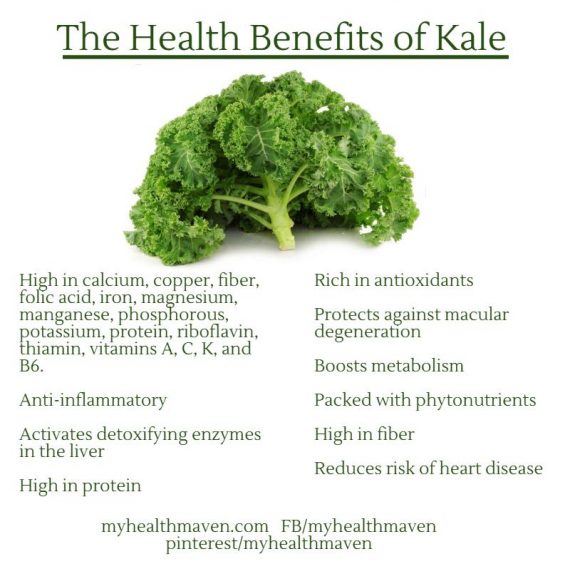
Kale is exceptionally nutrient-dense, meaning it contains a wealth of vitamins and minerals in relatively low calories. It is overflowing with vitamins A, C, and K, along with a plethora of vital minerals such as calcium, potassium, and magnesium. Just a single cup of raw kale can significantly contribute to daily recommended allowances, making it a formidable ally in any diet.
2. Antioxidant Properties
This leafy green is rich in antioxidants, compounds that combat oxidative stress in the body. Kale is particularly abundant in quercetin and kaempferol, two potent antioxidants known for their anti-inflammatory properties. By neutralizing free radicals, these compounds help reduce the risk of chronic diseases, fortifying the body’s defenses against conditions such as heart disease and cancer.
3. Heart Health
Kale promotes cardiovascular health through its high levels of fiber, which can help lower cholesterol levels. Furthermore, the presence of omega-3 fatty acids in kale aids in maintaining optimal heart function. The anti-inflammatory properties of kale’s antioxidants also contribute significantly to a healthy cardiovascular system, reducing the risk of blood vessel damage and improving overall circulation.
4. Bone Health
The high vitamin K content of kale is essential for maintaining strong bones. Vitamin K plays a crucial role in calcium absorption and bone metabolism, which is vital in preventing osteoporosis and fractures as one ages. Coupling kale with other calcium-rich foods ensures that the bones remain resilient and healthy throughout the years.
5. Detoxification
Kale is laden with fiber, which is fundamental for proper digestion and detoxification processes. The glucosinolates present in kale assist in the body’s natural detoxification pathways, promoting liver function and the elimination of harmful toxins. This cleansing action further enhances overall health, allowing the body to function optimally while minimizing the risk of disease.
6. Weight Management
For those seeking to maintain or lose weight, kale is an exemplary addition to the diet. Its high fiber content encourages feelings of fullness while being low in calories, making it a satiating food. Incorporating kale into meals can enhance nutrient intake without added caloric burden, thus supporting weight management efforts effectively.
7. Cancer Prevention
Research suggests that the compounds found in kale may inhibit the growth of cancer cells. The aforementioned glucosinolates, when digested, form isothiocyanates, which have shown promise in cancer prevention through their ability to deactivate carcinogens. Regular consumption of kale as part of a balanced diet could lower the risk of certain cancers, particularly those affecting the digestive tract.
8. Eye Health
Kale is a substantial source of lutein and zeaxanthin, two antioxidants that are imperative for eye health. These compounds help filter harmful blue light and reduce the risk of age-related macular degeneration and cataracts. Incorporating kale into your diet may aid in preserving vision, particularly as one ages.
9. Enhanced Immune Function
The impressive vitamin C content found in kale plays a pivotal role in bolstering the immune system. This vital vitamin aids in the production of white blood cells, which are essential for countering infections. Additionally, the anti-inflammatory properties of kale assist in modulating immune responses, helping your body resist illness and disease more effectively.
10. Skin Health
Last but not least, the nutrients found in kale contribute to healthier, more radiant skin. Packed with vitamins A and C, kale aids in collagen production, improving skin elasticity and promoting a youthful appearance. Moreover, the antioxidants found in this leafy vegetable help protect the skin from environmental damage and promote an even complexion.
In conclusion, kale is a nutritional gem that offers an impressive array of health benefits. Its robust profile makes it a versatile ingredient, easily incorporated into salads, smoothies, and cooked dishes without compromising flavor. Embracing kale as part of a balanced diet can lead to substantial improvements in overall health and well-being. As with any dietary choice, moderation and variety are key, but including kale is sure to enrich your nutritional journey. So, why not add this leafy green marvel to your plate today?
FAQ
What are the main vitamins found in kale?
Kale is rich in vitamins A, C, and K, which contribute to various health benefits including immune support, bone health, and skin health.
How does kale help with heart health?
Kale supports heart health through its fiber content that helps reduce cholesterol, omega-3 fatty acids, and antioxidants that reduce inflammation and improve circulation.
Can kale help with weight management?
Yes, kale is low in calories but high in fiber, which promotes satiety and helps in managing weight effectively.
Are there any cancer prevention benefits from eating kale?
Kale contains glucosinolates that form compounds shown to inhibit cancer cell growth and help deactivate carcinogens, potentially lowering cancer risk.





Leave a Reply