
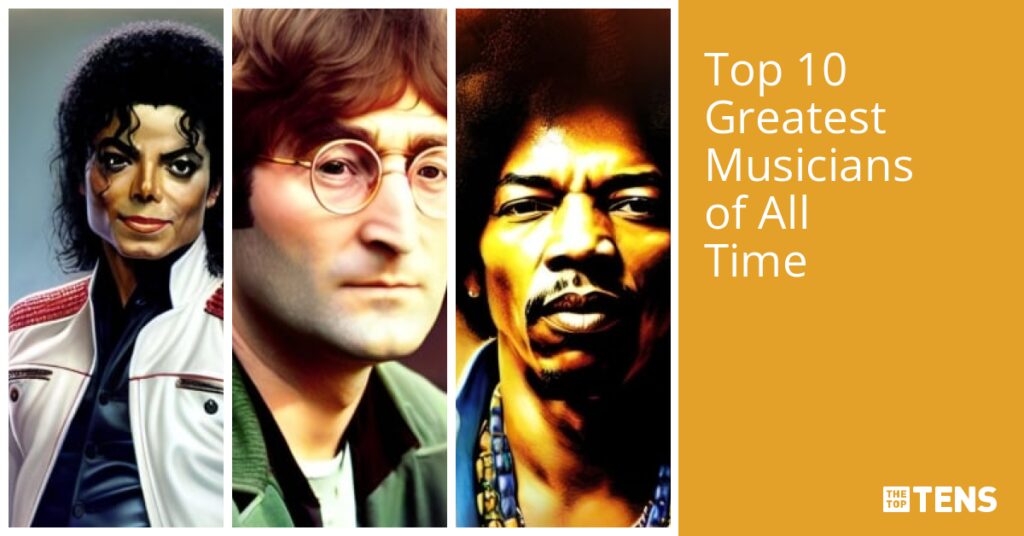
Short Answer
Throughout the annals of history, countless musicians have wielded their craft to inspire, challenge, and reinvent societal norms. From the baroque elegance of classical compositions to the electrifying fervor of contemporary rock, the tapestry of music is interwoven with the legacies of remarkable individuals. The following list encapsulates ten of the most influential musicians in history, whose contributions transcend time and culture, shaping the very essence of music as we know it today.
1. Johann Sebastian Bach (1685-1750)
Bach, a luminary of the Baroque era, is often hailed as the father of Western classical music. His intricate compositions, such as the “Brandenburg Concertos” and “The Well-Tempered Clavier,” exhibit a masterful blending of polyphony and harmony. Bach’s innovative approach to counterpoint and his deep spiritual beliefs are encapsulated in works like the “Mass in B Minor.” His dedication to form and structure laid the groundwork for future generations of composers, making him an indelible figure in the musical canon.
2. Ludwig van Beethoven (1770-1827)
A herald of the Romantic era, Beethoven’s music embodies emotional depth and complexity. His symphonies, particularly the groundbreaking “Symphony No. 9,” which includes the choral masterpiece “Ode to Joy,” challenged the conventions of his time. Despite his encroaching deafness, Beethoven’s innovative spirit pushed the auditory boundaries, blending classical forms with profound personal expression. His ability to communicate human experience through music resonates through every generation, marking him as one of the titans of the art form.
3. Wolfgang Amadeus Mozart (1756-1791)
Mozart, a prodigious genius, composed over 600 works spanning various genres, from operas to symphonies and chamber music. His works, such as “The Magic Flute” and “Requiem,” showcase his unparalleled ability to meld melodic beauty with sophisticated structure. The effortless grace of his compositions and his innovative orchestration techniques have enchanted audiences for centuries. Mozart’s mastery in bridging the gap between the classical and romantic styles solidified his status as a cornerstone of Western music.
4. Duke Ellington (1899-1974)
A colossal figure in jazz, Duke Ellington expanded the genre’s reach, artfully blending elements of blues, classical, and swing. His orchestration techniques revolutionized jazz composition, utilizing a vibrant palette of instrumental colors to evoke deep emotional responses. Classics such as “Mood Indigo” and “It Don’t Mean a Thing (If It Ain’t Got That Swing)” are seminal pieces that reflect his innovative contributions to the music world. Ellington’s legacy is not merely one of style; it encompasses an ethos that celebrates the expressive potential of a diverse musical landscape.
5. Bob Dylan (1941-Present)
Dylan redefined the landscape of popular music through his poignant lyrics and distinctively raspy voice. His prowess as a songwriter is unmatched, with masterpieces such as “Blowin’ in the Wind” and “Like a Rolling Stone” opening new avenues for lyrical depth in popular music. Oscar-winning songs like “Things Have Changed” showcase his influence across genres. Dylan’s ability to weave intricate narratives that reflect social and political themes has earned him a revered spot among the greats.
6. Aretha Franklin (1942-2018)
Known as the “Queen of Soul,” Aretha Franklin’s vocal prowess transcended genres, standing as a beacon of empowerment and cultural identity. With powerful anthems like “Respect” and “Chain of Fools,” she infused her work with unprecedented emotionality. Her ability to convey profound meanings through her voice and performative presence reshaped the soul music landscape. Franklin’s legacy is rooted in her relentless pursuit of excellence and her unwavering commitment to social justice through her music.
7. Jimi Hendrix (1942-1970)
A veritable innovator of electric guitar, Jimi Hendrix revolutionized rock music with his groundbreaking techniques and soundscapes. Harnessing feedback and distortion, he crafted ethereal compositions that expanded the possibilities of rock music. Songs like “Purple Haze” and “The Star-Spangled Banner” at Woodstock are emblematic of his ability to blend technical virtuosity with raw emotion. Hendrix’s transformative influence on the genre continues to inspire guitarists and musicians across the globe.
8. The Beatles (1960-1970)
No discussion of music history can overlook The Beatles, who not only redefined pop music but also influenced cultural attitudes worldwide. Their innovative studio techniques and willingness to experiment with musical forms set new standards in the recording industry. Albums like “Sgt. Pepper’s Lonely Hearts Club Band” exemplify their boundary-pushing creativity. Their ability to fuse diverse styles—from rock to psychedelia—led to an enduring impact that spans generations.
9. Madonna (1958-Present)
As a trailblazer in pop music, Madonna pushed the limits of artistic expression while deftly traversing genres. With iconic hits like “Like a Virgin” and “Vogue,” she challenged cultural norms surrounding sexuality and gender. Her constant reinvention of sound and style reflects a deeper commentary on societal expectations. Throughout her multi-decade career, Madonna’s fearless approach to both music and performance continues to inspire artists across the spectrum.
10. Freddie Mercury (1946-1991)
The charismatic frontman of Queen, Freddie Mercury’s extraordinary vocal range and theatrical performances captured the essence of rock opera. Songs like “Bohemian Rhapsody” and “We Are the Champions” exemplify his ability to weave intricate narratives with his music. His fusion of rock, pop, and opera created a unique sound that captivated audiences worldwide. Mercury’s legacy is one of unabashed originality, showcasing the potential of music as a platform for self-expression.
In conclusion, the musicians listed above are not merely entertainers; they are cultural beacons whose work resonates on profound levels. Their innovations, emotional depth, and social impact have enriched the world of music, shaping its trajectory for future generations. As we explore their legacies, we are reminded of the inexhaustible power of music to connect humanity and inspire change.
FAQ
Who are considered the greatest musicians in history?
The article lists Johann Sebastian Bach, Ludwig van Beethoven, Wolfgang Amadeus Mozart, Duke Ellington, Bob Dylan, Aretha Franklin, Jimi Hendrix, The Beatles, Madonna, and Freddie Mercury as some of the greatest musicians in history.
What genres do the greatest musicians span?
The greatest musicians span genres including classical, jazz, rock, pop, and soul.
Why are these musicians considered influential?
They are considered influential due to their innovations in music composition, performance, and cultural impact that shaped music history and inspired generations.
What is the significance of Beethoven’s Symphony No. 9?
Beethoven’s Symphony No. 9 is groundbreaking for its emotional depth and inclusion of choral elements, particularly the famous 'Ode to Joy,' pushing the boundaries of classical music.
How did The Beatles influence music history?
The Beatles redefined pop music through innovative studio techniques, experimentation with musical styles, and cultural influence worldwide.






Leave a Reply