
Short Answer
Martial arts have long captivated audiences worldwide, conjuring images of disciplined warriors and epic battles of skill and strategy. These forms of combat are not merely occupations or hobbies; they are intricate systems steeped in philosophy, tradition, and a commitment to personal development. The fascination with martial artists stems from their embodiment of resilience, courage, and an unparalleled quest for mastery. Below, we delve into the top ten greatest martial artists of all time, individuals whose legacies continue to influence aspiring practitioners around the globe.
1. Bruce Lee
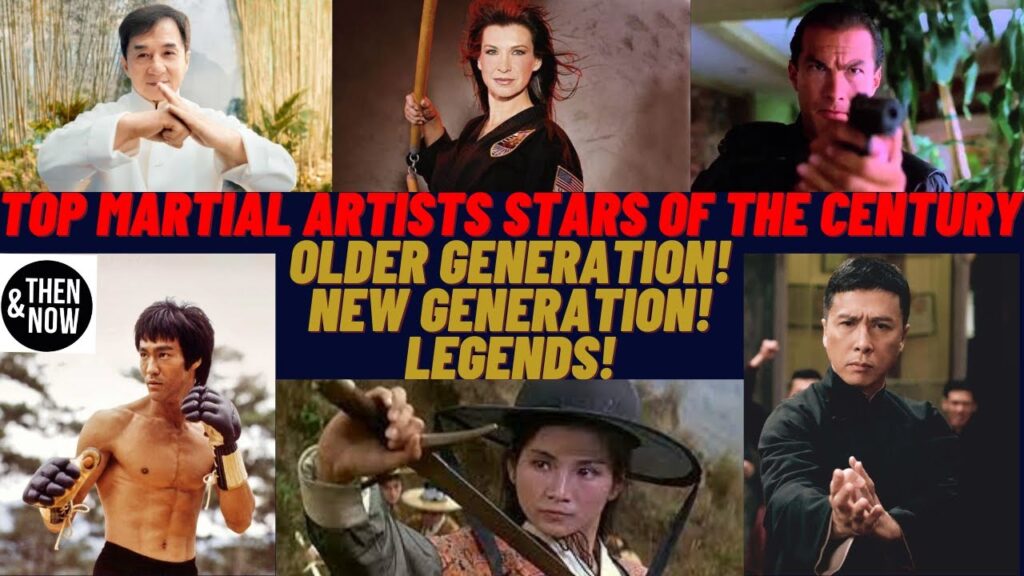
Undoubtedly the most iconic figure in martial arts history, Bruce Lee transcended the boundaries of his discipline—Jeet Kune Do—to become a cultural phenomenon. His approach was revolutionary, integrating techniques from various martial arts forms while emphasizing practicality and fluidity. Lee was not just a superior fighter; he was a philosopher who articulated the principles of self-expression and personal growth. His films, coupled with an enduring charisma, helped propel martial arts into global consciousness.
2. Jackie Chan
Jackie Chan redefined action cinema with his unique amalgamation of martial arts and comedy. Unlike many of his predecessors, Chan integrated acrobatics and inventive stunts into his choreography, crafting a signature style that captivated audiences. His dedication to performing his stunts underscored the years of rigorous training he undertook, showcasing not only physical agility but an unwavering work ethic. Chan has remained a cultural ambassador for martial arts, bridging Eastern traditions with Western sensibilities.
3. Jet Li
Jet Li’s exceptional prowess in Wushu has made him a household name in martial arts film. From his early successes in Chinese cinema to his groundbreaking role in Hollywood, Li’s legacy is marked by his commitment to authenticity and exhilarating choreography. With martial arts as his foundation, he exhibited a graceful and fluid fighting style that evoked the beauty of traditional forms while engaging contemporary audiences. Beyond the screen, Li’s philanthropic and cultural endeavors further cement his status as an inspiring figure.
4. Mas Oyama
The founder of Kyokushin Karate, Mas Oyama was known for his incredible feats of strength and fighting ability. His dedication to martial arts was profound; he is famed for having fought and defeated bulls to demonstrate his prowess. Oyama’s philosophy emphasized rigorous training and personal growth, advocating for the importance of both the physical and mental aspects of martial arts. His influence persists through the countless practitioners who have adopted Kyokushin as a way of life.
5. Chuck Norris
A formidable competitor and a cultural icon, Chuck Norris brought martial arts into mainstream American culture in the 1970s. Initially recognized for his success in karate tournaments, he later gained fame through action films and television series. Norris is not just a performer but also a skilled martial artist who founded his own style, Chun Kuk Do. His contributions extend beyond the martial arts community, as he became a symbol of strength and perseverance in popular culture.
6. Tony Jaa
Known for his stunning agility and breathtaking stunts, Tony Jaa burst onto the international scene with his film “Ong-Bak.” Trained in Muay Thai, Jaa’s performances blend traditional techniques with acrobatic flair, creating a visceral visual experience. His dedication to martial arts stems from a profound reverence for his Thai heritage, allowing him to honor the traditions while pushing the boundaries of what is possible in action choreography.
7. Anderson Silva
Regarded as one of the greatest mixed martial artists of all time, Anderson Silva dominated the UFC Middleweight division for nearly a decade. His enigmatic fighting style combined elements of Muay Thai, Brazilian Jiu-Jitsu, and boxing, showcasing a perfect blend of creativity and adaptability. Silva’s ability to read opponents and employ psychological tactics during fights added a cerebral layer to his performances, capturing the imaginations of MMA fans worldwide.
8. Helio Gracie
As a pivotal figure in the establishment of Brazilian Jiu-Jitsu, Helio Gracie’s contributions have resonated deeply within the world of martial arts. He modified traditional Judo techniques to suit a smaller fighter’s physique, creating an incredibly effective means of self-defense that emphasizes technique over brute strength. His legacy lives on through the countless students and instructors who continue to disseminate Gracie’s principles, underscoring the importance of adaptability and technical prowess in martial arts.
9. Benny Urquidez
Benny Urquidez, often referred to as “The Jet,” made significant contributions as a kickboxing champion and a pioneer in the realm of modern combat sports. Known for his lightning-fast punches and fluid style, he remarkably won championships across different weight classes. Urquidez’s cross-disciplinary synergy of various martial arts styles has influenced a new generation of fighters, promoting a holistic understanding of combat that is both effective and artistic.
10. Donnie Yen
Donnie Yen has carved a niche as one of the most skilled and versatile martial artists in contemporary cinema. Renowned for his portrayal of legendary figures, including Ip Man, Yen’s dedication to both acting and martial arts is evident in his physically demanding performances. His eclectic background blends several traditional styles, including Wing Chun and Tai Chi, creating a dynamic fighting style that is as fluid as it is powerful. As a choreographer and filmmaker, Yen continues to innovate, ensuring martial arts maintains its relevance in modern entertainment.
In conclusion, the allure of martial artists lies not solely in their combat skills but in their ability to transcend the physical limitations of the human body. Each of the individuals listed above has cultivated an extraordinary legacy, inspiring countless practitioners while showcasing the profound depth of martial arts as an art form. Their journeys illustrate the myriad ways in which martial disciplines can shape character, promote resilience, and empower individuals to pursue excellence both on and off the mat. It is this interplay of philosophy, technique, and cultural significance that continues to draw enthusiasts into the world of martial arts, uniting people through a shared pursuit of mastery.
FAQ
Who is considered the greatest martial artist of all time?
Bruce Lee is widely regarded as the greatest martial artist of all time due to his revolutionary approach, philosophical contributions, and global cultural impact.
What martial arts styles are represented by the top martial artists?
The top martial artists represent a variety of styles including Jeet Kune Do, Wushu, Kyokushin Karate, Muay Thai, Brazilian Jiu-Jitsu, and mixed martial arts.
How have martial artists influenced popular culture?
Martial artists like Bruce Lee, Jackie Chan, and Chuck Norris have popularized martial arts through films and television, shaping global perceptions and inspiring generations.





Leave a Reply