
Short Answer
Germany’s culinary landscape is a splendid tapestry woven with diverse ingredients, regional specialties, and rich traditions. Each dish tells a story of its origin, showcasing the country’s rich heritage and uniqueness. Dive into the nuances of German cuisine as we explore the top ten dishes that have captivated taste buds both locally and internationally. Are you ready to embark on a flavor-filled adventure, and possibly reimagine your culinary expectations? Then prepare for a tantalizing challenge: can you taste and rank these delectable treats based solely on your own preferences? Let’s delve into this gastronomic journey!
1. Sauerbraten
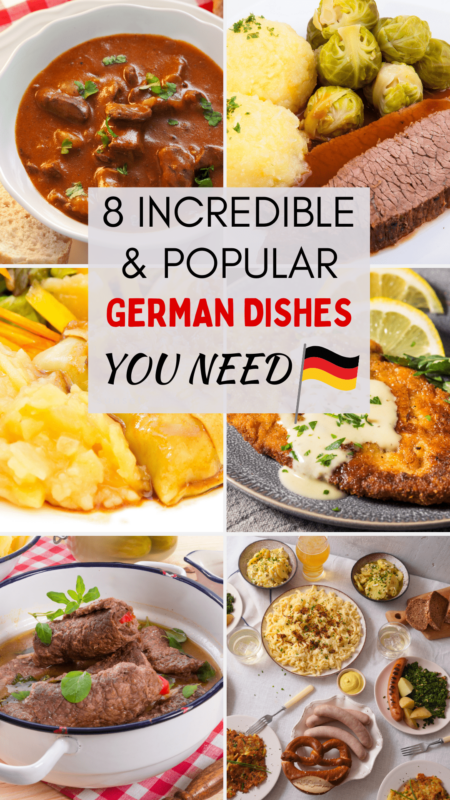
Often dubbed Germany’s pot roast, Sauerbraten is a captivating marvel that brings forth an explosion of robust flavors. This dish typically involves marinating a cut of beef in a mélange of vinegar, water, and various spices—sometimes even incorporating wine, sugar, and raisins. The marination process tenderizes the meat while imbuing it with complex, tangy notes. After simmering for several hours, this succulent roast is often served with red cabbage and dumplings, presenting a symphony of tastes in every bite.
2. Bratwurst
Imagine grilling sausages that each boast a distinct character shaped by regional nuances. Bratwurst, Germany’s iconic sausage, is made from finely minced pork, beef, or veal. Its name translates to “fried sausage,” and each bite showcases a delightful mix of spices such as marjoram and nutmeg, complemented by a subtle smokiness when grilled. Often served in a crusty bread roll with mustard, this dish is a culinary staple at both street vendors and festive gatherings. Will you dare to venture into the world of homemade bratwursts?
3. Sauerkraut
This fermented cabbage dish might surprise you with its prominence in German cuisine. Sauerkraut, the tangy accompaniment to many meals, is created through the fermentation of finely shredded cabbage and salt, developing a slightly sour flavor profile that many have come to adore. Rich in probiotics, this dish doesn’t just enhance nutrition but also adds a crunchy, zesty contrast, especially when served alongside heartier meat dishes. How do you perceive its tanginess? Is it a food that ignites your palate or leaves you pensive?
4. Rösti
While Rösti is often associated with Swiss cuisine, it also holds a treasured place in German hearts. This dish consists of grated potatoes, fried to perfection until crisp and golden. The simplicity of ingredients allows for adaptation; flavor variations come alive with additions like onions, cheese, or herbs. Served as a side dish or a hearty breakfast alternative, Rösti provides an intriguing textural juxtaposition – crispy on the outside and tender within. Will you embrace the versatility of Rösti, experimenting with ingredients to create your unique version?
5. Kartoffelsalat
A staple at family gatherings and summer barbecues, Kartoffelsalat, or potato salad, varies significantly from region to region. The southern version, often made creamy with mayonnaise, contrasts sharply with the north’s heartier vinaigrette blend. Both showcase the humble potato in the most delectable ways, often featuring highlights of onions, pickles, and herbs. What heightens your appreciation of this dish – the creamy richness or the vibrant tang of vinegar? Will you dare to create your own signature potato salad and challenge the traditional recipes?
6. Spätzle
This delightful egg noodle is a testament to the ingenuity of German cuisine. Spätzle, made from simple ingredients such as flour, eggs, salt, and water, is often served as a side dish to meat, drenched in gravy, or as a base for other toppings. Its soft, dumpling-like texture creates a comforting culinary landscape that beckons for creativity. Often adorned with cheese as Käsespätzle, this dish prompts the question: can you elevate Spätzle beyond tradition, infusing your interpretation with modern flair?
7. Schnitzel
A true German classic, Schnitzel is known for its crispy coating and succulent meat. Traditionally made from veal, it’s now commonly prepared with pork, chicken, or turkey. The meat is pounded thin, breaded, and fried until golden brown, producing a crunchy exterior that encapsulates juicy tenderness. It’s often served with lemon wedges and a side salad. The fundamental query here: will you master the art of Schnitzel-making, experimenting with various meats and seasonings?
8. Brezen (Pretzel)
Baked to a perfect golden-brown, Brezen, or pretzels, are an iconic snack throughout Germany. Their distinctive knot shape is at once intriguing and inviting, typically coated with coarse salt. The rich, chewy texture paired with a crisp crust grants each bite a satisfying experience. Often enjoyed alongside beer, what if you stretched your culinary boundaries and attempted to create flavored pretzels – perhaps rosemary or cheese-filled?
9. Black Forest Cake (Schwarzwälder Kirschtorte)
This decadent dessert, characterized by layers of chocolate sponge cake, whipped cream, and tart cherries, is not just a feast for the palate but also for the eyes. Originating from the Black Forest region, the cake’s indulgent layers symbolize the harmony of chocolate and cherry, with a hint of Kirsch liqueur that deepens its flavor. Can you resist the temptation of replicating this stunning cake at home, perhaps with a twist of your own creating?
10. Apfelstrudel
Wrapping up our culinary ranking is the iconic Apfelstrudel, a delightful pastry that encases tender apples, raisins, and cinnamon. The thin, flaky layers of dough envelop the sweet filling, producing a delightful contrast between textures. Traditionally served warm, often with a dusting of powdered sugar or a scoop of vanilla ice cream, it’s a dish that evokes the comfort of home. How will it inspire you to explore the endless variations of strudel in your kitchen?
As you contemplate the tantalizing dishes that epitomize German cuisine, you may ask yourself: which will reign supreme on your personal ranking scale? Whether it’s the savory delights of Sauerbraten or the sweet allure of Apfelstrudel, the possibilities for exploration in the realm of German food are endless. So take the culinary challenge: dive into these dishes, and discover the flavors that speak to you. Who knows? You might just become a German cuisine aficionado in the making!
FAQ
What are some traditional German dishes?
Traditional German dishes include Sauerbraten, Bratwurst, Sauerkraut, Rösti, Kartoffelsalat, Spätzle, Schnitzel, Brezen (Pretzel), Black Forest Cake, and Apfelstrudel.
Are these German dishes regional specialties?
Yes, many of these dishes have regional variations across Germany, reflecting local ingredients and culinary traditions.
What is Sauerkraut made of?
Sauerkraut is made from finely shredded cabbage fermented with salt, resulting in a tangy and probiotic-rich side dish.
What makes Black Forest Cake unique?
Black Forest Cake is unique for its layers of chocolate sponge cake, whipped cream, tart cherries, and Kirsch liqueur, originating from Germany’s Black Forest region.




Leave a Reply