
Short Answer
Filipino cuisine is a vibrant tapestry woven from centuries of cultural influences, diverse regional ingredients, and a communal sense of dining that goes beyond mere sustenance. From the bustling streets of Manila to the serene shores of Palawan, the culinary landscape reflects the nation’s history, geography, and the warm-heartedness of its people. Whether served at grand celebrations or as simple home-cooked meals, Filipino foods have a certain allure that captivates locals and visitors alike. Here, we explore the top ten Filipino foods everyone loves, taking a deeper look into why these dishes resonate so profoundly.
1. Adobo
Adobo is often hailed as the unofficial national dish of the Philippines. This dish is more than just marinated meat; it embodies a variety of regional adaptations, each with its own flavors and techniques. Typically made with chicken or pork, adobo is simmered in a mixture of soy sauce, vinegar, garlic, and spices. The tender meat, imbued with the robust flavors of its marinade, serves as a culinary representation of balance—a sweet, salty, and tangy harmony. Not only is it beloved for its taste but also for its simplicity and ability to preserve well, often tasting even better the next day.
2. Sinigang
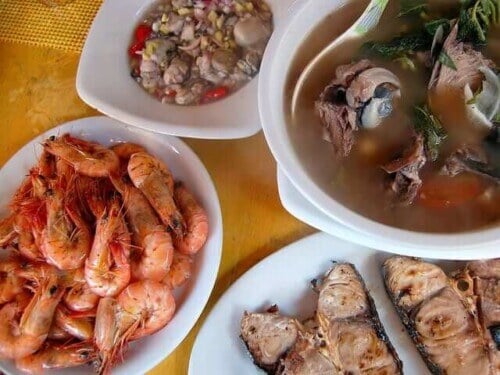
Characterized by its tangy broth, sinigang is a sour soup often made with tamarind, tomatoes, and various vegetables. The dish showcases the Filipino penchant for balancing flavors, as the sour notes are perfectly complemented by the savory essence of tender meats, such as pork, shrimp, or beef. Sinigang’s appeal extends beyond taste; it evokes nostalgia, often reminding Filipinos of comforting family meals. Its versatility allows for various regional twists, yet the core of its essence remains the same—bonding over a hot bowl of soup that warms both the belly and the soul.
3. Lechon
When it comes to Filipino festivities, lechon reigns supreme. Whole roasted pig, seasoned to perfection and cooked until the skin is irresistibly crispy, is a centerpiece for celebrations and special occasions. The allure of lechon lies not just in its decadent flavors but also in the communal experience it fosters. Families gather around, slicing into the golden-brown exterior to reveal succulent, juicy meat. Each bite is a celebration of heritage, invoking feelings of joy and camaraderie intended for sharing and feasting.
4. Pancit
Pancit serves as a delightful representation of the country’s diverse noodle dishes, with countless regional varieties. Whether it be the stir-fried pancit canton or the noodle soup variant, each serves as a symbol of longevity and prosperity, often featured during birthday celebrations. The combination of colorful vegetables, proteins, and savory sauces not only creates a feast for the palate but also a visual spectacle that honors Filipino ingenuity. Pancit is a testament to the belief that food should be both nourishing and celebratory, instilling hope and happiness.
5. Halo-Halo
For dessert, nothing quite captures the whimsical essence of Filipino cuisine like halo-halo. This delightful concoction, which translates to “mix-mix,” is an eclectic assortment of shaved ice, milk, fruits, sweet beans, and creamy toppings like leche flan and ube (purple yam). As a refreshing treat in the tropical heat, halo-halo is as much about texture as it is about taste. The chaos of flavors and the bright colors speak to the joyful spirit of the Filipino people, making it a perfect indulgence after a hearty meal.
6. Kare-Kare
This rich and hearty oxtail stew, cooked in a peanut sauce, exemplifies the fusion of indigenous and foreign influences within the culinary realm of the Philippines. Typically served with bagoong (fermented shrimp paste) on the side, kare-kare is beloved for its comforting, nutty flavor that invites you to savor each spoonful. The dish represents a feast, often featured in family gatherings, where the celebration of tradition and flavor meld harmoniously. In many folklore tales, kare-kare showcases the spirit of contentment found in sharing food among loved ones.
7. Lumpia
Lumpia, the Filipino version of spring rolls, are an irresistible treat, often filled with a savory mixture of ground meat and vegetables, wrapped in a thin crepe-like exterior. The crunchiness of the fried lumpia is a delightful contrast to the warm filling. Served as appetizers or snacks, these delectable bites shine in both casual and formal settings. Just as inviting as the dish itself, the act of sharing lumpia brings friends and families together, creating shared memories and a sense of belonging.
8. Bibingka
Bibingka, a traditional rice cake, is often enjoyed during the Christmas season, evoking nostalgia through its aromatic appeal of coconut, rice flour, and hints of salted egg. Traditionally cooked in clay pots lined with banana leaves, bibingka’s delightful texture combines the moist interior with a slightly crisp exterior. The dish is more than just a snack; it personifies home, community, and the cyclical nature of life—a reminder to cherish the moments spent with family amidst the festivities.
9. Longganisa
This local sausage comes in many enticing varieties, each region adding its unique blend of spices and flavor profiles. Longganisa can be sweet, garlicky, or smoky, served as breakfast or as part of a larger meal. The familiar fragrance of sizzling longganisa can evoke memories of leisurely mornings and shared meals, enhancing the overall dining experience. Beyond its savory taste, longganisa symbolizes the country’s agricultural bounty, celebrating the devotion to local produce and home-cooked food traditions.
10. Turon
Turon, or banana lumpia, is a delightful snack comprised of ripe bananas and sometimes a slice of jackfruit, wrapped in spring roll wrappers and deep-fried until golden brown. Coated in caramelized sugar, this treat offers a satisfying crunch followed by the soft sweetness of the banana within. Turon, often sold by street vendors, embodies the vibrant street food scene in the Philippines. Its popularity is a testament to the fondness for simple pleasures, celebrating everyday materials transformed into something extraordinary.
In conclusion, Filipino cuisine is a delightful journey that reflects the country’s rich heritage and culture. From savory meals that evoke warmth and nostalgia to sweet treats that capture the essence of joy, the top ten Filipino foods resonate deeply with everyone. They foster community, tradition, and a profound appreciation for the art of cooking, inviting individuals from all walks of life to partake in this culinary love affair. Whether you are a visitor or a native, these dishes represent the heart of Filipino hospitality, where every meal is an occasion to celebrate and connect.
FAQ
What are some iconic Filipino dishes?
Iconic Filipino dishes include Adobo, Sinigang, Lechon, Pancit, and Halo-Halo, each representing different aspects of Filipino culinary tradition.
Why is Adobo considered the national dish?
Adobo is celebrated for its balance of flavors, simplicity, regional variations, and ability to preserve well, making it a culinary symbol of the Philippines.
What makes Halo-Halo unique?
Halo-Halo is unique for its eclectic mix of ingredients like shaved ice, fruits, sweet beans, and creamy toppings, offering a refreshing and textural dessert experience.
When is Bibingka typically eaten?
Bibingka is traditionally enjoyed during the Christmas season in the Philippines, often evoking nostalgic memories of family gatherings.
What role does Filipino food play in community and culture?
Filipino food fosters community and tradition by bringing people together for shared meals that celebrate heritage, family, and hospitality.




Leave a Reply