
Short Answer
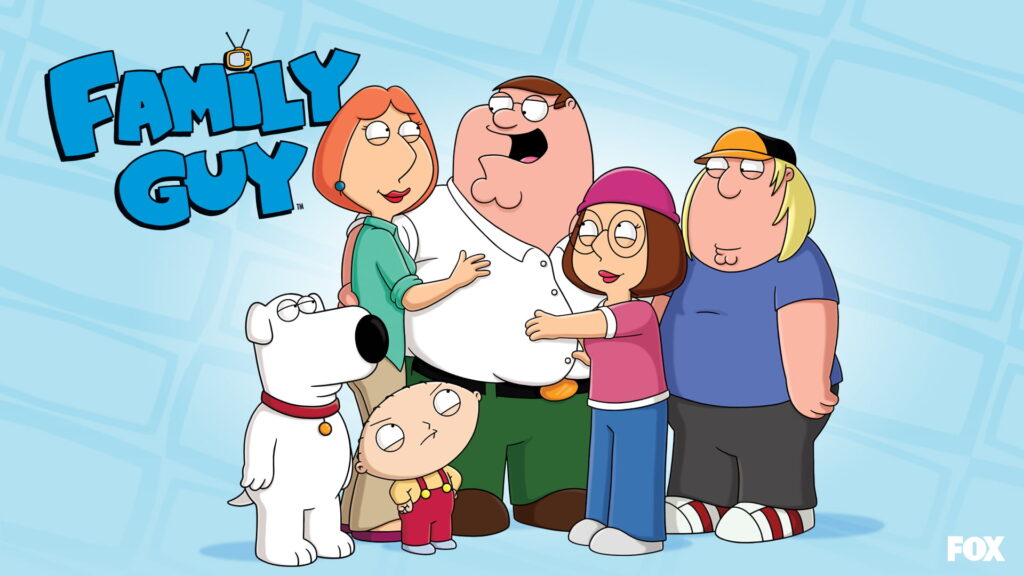
Since its inception in 1999, “Family Guy” has cemented itself as a cornerstone of animated sitcoms, known for its outlandish humor, irreverence, and cutting satirical wit. The show weaves together the surreal and the mundane, crafting a tapestry of stories that resonate with audiences across generations. Below, we delve into the top ten episodes that encapsulate what makes “Family Guy” a unique phenomenon in television history. This editorial exploration is not merely a countdown; it’s a celebration of the show’s unique ability to blend humor with social commentary, punctuated by wild absurdity and heartfelt moments.
1. “Road to the Multiverse” (Season 8, Episode 1)
A veritable odyssey through alternate realities, this episode is a masterclass in creativity and narrative fluidity. Stewie and Brian’s whimsical journey leads them to parallel universes that range from comically grotesque to exaggeratedly poignant. From a universe where humans have dog heads to one that parodies Disney’s animation, the episode serves as an astute commentary on societal norms. The clever juxtaposition of different animation styles and cultural references enhances its appeal, making it a quintessential “Family Guy” episode.
2. “The Simpsons Guy” (Season 13, Episode 1)
A crossover that fans never knew they needed, this episode marries the worlds of “Family Guy” and “The Simpsons”. The collision of these two iconic families is a symphony of hilarity, underscoring the cultural significance of both shows. The humor is razor-sharp, filled with meta-commentary that plays with the very fabric of television’s humor landscape. By blending their distinct styles, this episode exemplifies how animation can unite diverse narratives, making viewers question their loyalty to either show.
3. “The Boys in the Band” (Season 10, Episode 3)
This episode elegantly navigates the complex terrain of masculinity and friendship. Peter Griffin’s misguided attempts to bond with his friends evolve into a poignant exploration of identity and acceptance. The narrative encapsulates the heart of “Family Guy”: beneath the layers of absurdity lies a powerful commentary on human relationships. It’s a fine fusion of humor and depth, ensuring that viewers are entertained while subtly reflecting on their own friendships.
4. “Petarded” (Season 4, Episode 6)
A brilliant examination of intelligence and societal expectations, “Petarded” epitomizes the series’ ability to address serious issues through humor. When Peter is labeled as mentally challenged, the episode unravels his misadventures as he navigates a world filled with misconceptions and biases. The episode’s absurdity amplifies its message, making it an unforgettable piece of social commentary that pokes fun at the arbitrariness of societal labels while delivering laugh-out-loud moments.
5. “Brian and Stewie” (Season 8, Episode 5)
This episode strips away the comedic exterior, presenting a raw, introspective view into the minds of two of the show’s most beloved characters. Locked in a bank vault, Brian and Stewie explore their existential fears and vulnerabilities. The narrative is darkly humorous yet profoundly touching, showcasing the complexity of human emotions and friendships. The stark contrast to the usual slapstick comedy renders it a unique gem that resonates on a deeper level.
6. “And Then There Were Fewer” (Season 9, Episode 1)
A genre-bending endeavor that blends mystery and suspense with “Family Guy’s” hallmark humor, this episode is cleverly constructed as a murder mystery. The narrative threads together an ensemble cast of characters, and as they navigate a murder plot, viewers are treated to a delightful amalgamation of suspense and laughter. The playful nods to genre conventions serve as both homage and parody, making it a standout episode that challenges traditional storytelling formats within animated series.
7. “The Family Gee” (Season 10, Episode 14)
Exploring the intricacies of family dynamics, this episode exemplifies the series’ ability to blend humor with emotional narrative arcs. When Peter faces an unexpected crisis related to his parenting, the ensuing chaos reveals both the absurdities and the strengths of familial bonds. The episode strikes a resonant chord, reminding viewers that beneath the veneer of comedy lies a foundation of heart and connection—an enduring theme throughout the series.
8. “The Courtship of Stewie’s Father” (Season 4, Episode 1)
This episode showcases the often tumultuous and complex relationship between Stewie and Peter. As Stewie embarks on a quest to escape his maternal confines, the episode layers humor with emotional resonance. The father-son dynamics are amplified in a fantastical setting, allowing for moments of intense comedy juxtaposed with heartfelt exchanges. It’s a whimsical exploration of growth and acceptance that remains etched in the hearts of fans.
9. “Damn It, Janet!” (Season 6, Episode 3)
A delightful homage to musical theater, this episode features Stewie’s budding obsession with the production of “The Rocky Horror Picture Show.” The infectious musical numbers juxtapose the absurdity of Stewie’s personality with his artistic aspirations, creating an intriguing spectacle. It demonstrates that “Family Guy” is not just a comedy but an art form capable of celebrating the diverse tapestry of creativity and expression.
10. “Lois Kills Stewie” (Season 6, Episode 4)
This episode stands as a bold exploration of the darker aspects of familial love. The intense confrontation between Lois and Stewie reveals the underlying chaos that can exist within parent-child dynamics. The drama and humor intertwine seamlessly, creating a narrative that is both unnerving and hilarious. It serves as a testament to the series’ willingness to tackle controversial subjects, inviting reflection on the complexities of love and loyalty.
In conclusion, “Family Guy” has cultivated a legacy that extends beyond mere entertainment. Each of these episodes encapsulates the show’s ability to blend humor, absurdity, and poignant reflections on society. With its intriguing metaphors and innovative storytelling, the series invites viewers to not only laugh but also ponder the deeper meanings woven through its narrative fabric. This colorful array of episodes is a reminder of the unyielding ingenuity that keeps “Family Guy” a relevant force in the vast landscape of television comedy, resonating with the kaleidoscope of human experience.
FAQ
What is 'Family Guy'?
‘Family Guy’ is an American animated sitcom created by Seth MacFarlane that features the Griffin family and is known for its satirical humor and cultural references.
Which 'Family Guy' episode is considered the best?
According to this article, ‘Road to the Multiverse’ (Season 8, Episode 1) is highlighted as a quintessential episode due to its creativity and narrative fluidity.
Does the article provide a full list of episodes?
Yes, it provides a curated list of the top 10 ‘Family Guy’ episodes along with summaries and thematic analysis.
Are there any crossover episodes featured?
Yes, ‘The Simpsons Guy’ (Season 13, Episode 1) is a crossover episode with ‘The Simpsons’ highlighted in the article.
FAQ
What makes these episodes the top 10 of Family Guy?
These episodes are selected for their unique blend of humor, social commentary, emotional depth, and innovative storytelling that exemplify the show’s impact and legacy.
Are these episodes suitable for all audiences?
Family Guy contains mature themes and humor, so these episodes may not be suitable for younger viewers.
Where can I watch these top Family Guy episodes?
These episodes are available on official streaming platforms that carry Family Guy, such as Hulu or the Fox network, depending on your region.





Leave a Reply