
Short Answer
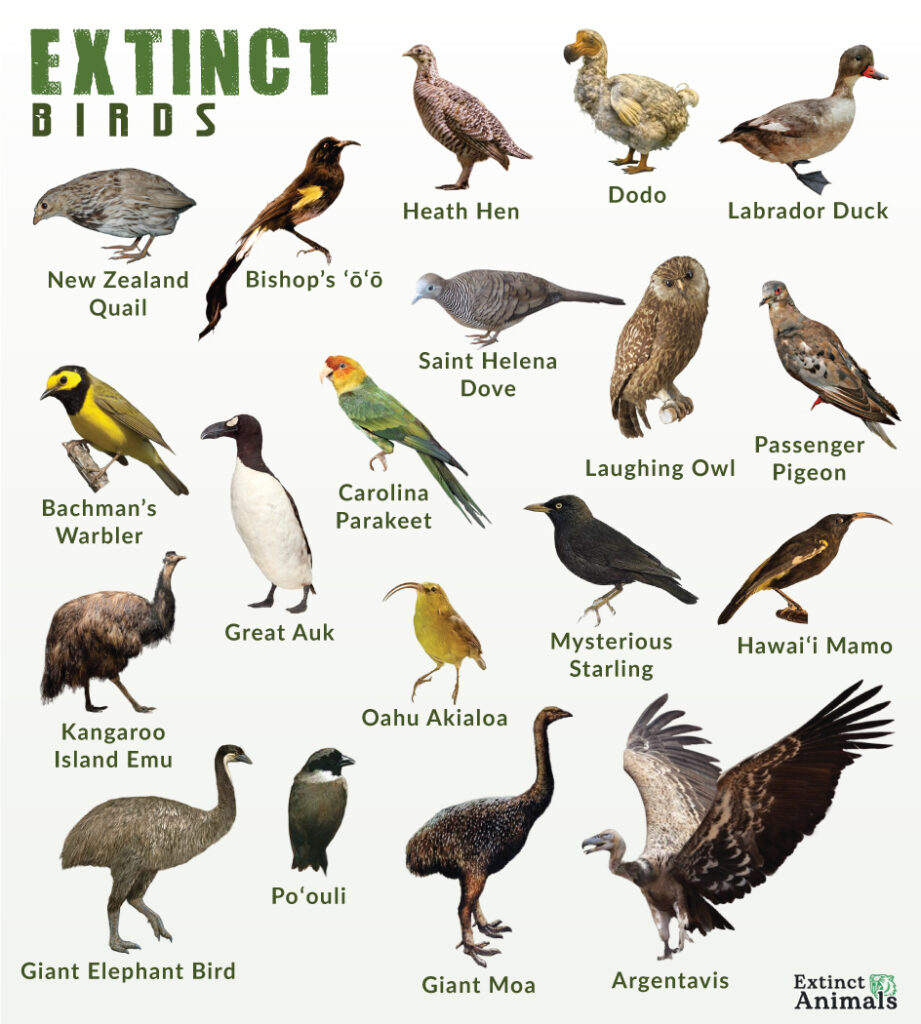
Throughout history, the avian world has been reshaped by natural selection and human intervention, leading to the tragic extinction of numerous bird species. Each lost bird tells a poignant story—symphonies that were silenced forever, symbols of biodiversity that once thrived and now haunt our imaginations. This article delves into ten bird species that have left our world, exploring both their fascinating characteristics and the underlying reasons for their eventual demise.
1. Passenger Pigeon (Ectopistes migratorius)
Once the most abundant bird on the planet, the Passenger Pigeon epitomized the staggering abundance of nature. Estimated populations reached over three billion individuals in the 19th century. However, relentless hunting and habitat destruction led to their rapid decline. The last known Passenger Pigeon, named Martha, died in 1914—a heartbreaking testament to humanity’s detrimental impact on nature’s balance.
2. Great Auk (Pinguinus impennis)
Resembling a modern-day penguin, the Great Auk was a flightless seabird that inhabited the North Atlantic coasts. Standing nearly three feet tall, this majestic bird was once plentiful, but overexploitation for its feathers, meat, and eggs heralded its demise. The last known pair was killed in 1844, serving as a stark reminder of the perils of unregulated hunting.
3. Carolina Parakeet (Conuropsis carolinensis)
This vibrant green parakeet, adorned with stunning yellow and orange accents, was a social bird found predominantly in the southeastern United States. Deforestation, hunting, and the introduction of diseases played pivotal roles in its extinction by the early 20th century. The Carolina Parakeet’s vivid colors and charismatic nature continue to captivate ornithologists and bird enthusiasts alike.
4. Labrador Duck (Camptolaimus labradorius)
The enigmatic Labrador Duck, with its strikingly asymmetrical bill and unique plumage, was once a common sight along the northeastern coast of North America. Believed to have vanished by the early 20th century, its decline was attributed to habitat loss and hunting. Its mystery only deepens as no specimens exist in the wild to study, rendering its extinction profoundly unsettling.
5. Dusky Seaside Sparrow (Ammospiza nigrescens)
Indigenous to the marshlands of Florida, the Dusky Seaside Sparrow was a sub-species of the Seaside Sparrow. Habitat degradation and the disruption caused by the construction of canals in the 20th century led to its extinction in 1987. The loss of this remarkable bird raises concerns about the fragile ecosystems that continue to be threatened by human expansion.
6. Ivory-billed Woodpecker (Campephilus principalis)
Often referred to as the “Lord God Bird” due to its grandeur and rarity, the Ivory-billed Woodpecker was an iconic species of the southeastern United States’ virgin forests. Habitat loss and extensive logging activities decimated its population. Though sporadic sightings have sparked speculation about its survival, its status remains dubious at best.
7. Spix’s Macaw (Cyanopsitta spixii)
This striking blue macaw, native to Brazil, faced overwhelming odds from habitat destruction and the illegal pet trade, leading to its near-extinction. The last confirmed individual died in captivity in the early 2000s. Some conservationists remain hopeful that captive breeding may restore its numbers, igniting a flicker of optimism for this avian icon.
8. Baiji (Lipotes vexillifer)
Though not a bird, the extinction of the Baiji dolphin offers a parallel to avian extinction patterns, highlighting how human activities can obliterate entire species. This freshwater dolphin, native to the Yangtze River, fell victim to rampant industrial pollution and habitat loss, leading to its presumed extinction in the early 21st century. Its story resonates with the plight of many birds, showcasing an urgent need for conservation efforts.
9. Pinta Island Tortoise (Chelonoidis Abingdon)
Another example of a lost species, the Pinta Island Tortoise, underscores the grave consequences of exploitation. While not a bird, the loss of its genetic lineage offers valuable lessons applicable across species. The last known individual, Lonesome George, died in 2012, symbolizing the urgent need for concerted conservation efforts worldwide.
10. Guam Kingfisher (Todiramphusing^) and other extinct birds from the Pacific Islands
The Guam Kingfisher provides a sobering example of how invasive species can disrupt established ecosystems. The introduction of the brown tree snake decimated its population. Simultaneously, numerous other island birds have succumbed due to similar threats, emphasizing an ongoing crisis that plagues insular wildlife.
The extinction of these birds is more than a lamentable fact; it is a call to action. Each species that has vanished invites reflection upon our interdependent relationship with nature and the fragility of ecosystems. The haunting echo of their absence ensures that their stories are not forgotten, reminding us of the urgent need for conservation and environmental stewardship. As we tread into the future, we must advocate for a world where such magnificent creatures never again fade into oblivion.
FAQ
What are the main causes of bird extinction?
The main causes of bird extinction include habitat destruction, hunting, introduction of invasive species, pollution, and diseases.
Are any of the extinct birds mentioned possibly still alive?
While some species like the Ivory-billed Woodpecker have had sporadic unconfirmed sightings, they are generally considered extinct or critically endangered with no confirmed surviving individuals.
Can extinct bird species like the Spix’s Macaw be brought back through conservation efforts?
Some extinct or near-extinct species like the Spix’s Macaw have captive breeding programs aiming to restore their populations, but success is limited and requires long-term commitment.
Why are species like the Baiji dolphin and Pinta Island Tortoise included in an article about extinct birds?
These species are included to provide broader context on extinction patterns and emphasize the widespread impact of human activity on various animal species.



Leave a Reply