
Short Answer
In the vast tapestry of life on Earth, the animal kingdom showcases an astonishing variety of forms, behaviors, and intelligence levels. While many creatures exhibit remarkable problem-solving capabilities and complex social interactions, some animals seem to follow a more bewildering path of survival. This leads us to a charming yet thought-provoking question: Are some animals simply evolutionarily disadvantaged, or do they possess a form of intelligence that eludes human understanding? Let’s embark on a whimsical exploration of the top ten animals that are regarded as the “dumbest” in the world. Prepare yourself for a journey that highlights the curious shortcomings and endearing qualities of these creatures.
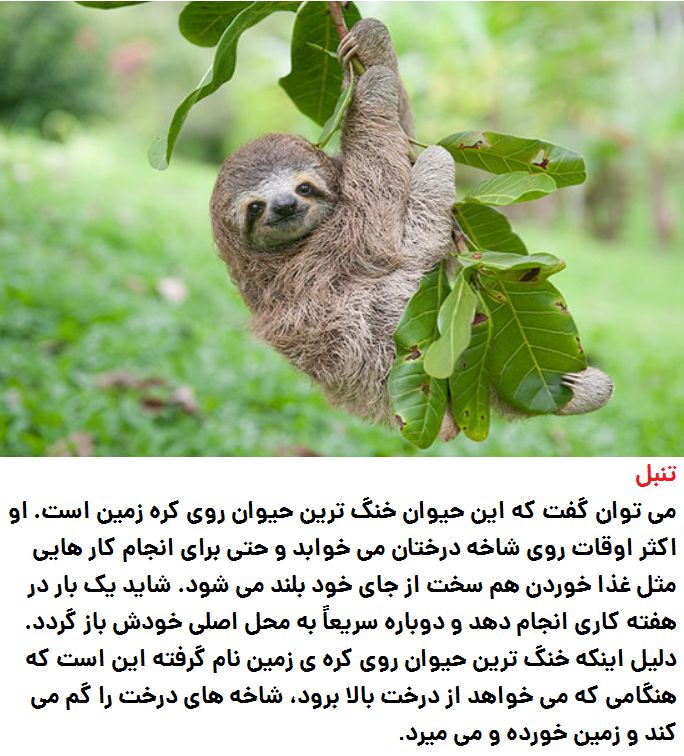
1. Sloths
Sloths are often celebrated for their laziness and languid lifestyle. With a metabolism that is notably slow, sloths can take up to a month to digest a single meal. Their deliberate movements and sleepy disposition lend them a reputation for lacking agility and quick-wittedness. In the wild, their vulnerability to predators is exacerbated by their sluggishness. They remain suspended in trees for hours, engaging in minimal activity. Yet, could this be simply a clever survival strategy, conserving energy while somehow still thriving in their treetop canopies?
2. Ostriches
Ostriches, the largest living birds, have a clumsy reputation due to their unusual behavior. Despite their impressive speed, they are sometimes observed engaging in less-than-savvy tactics when feeling threatened. Famously, they have been said to bury their heads in the sand, a behavior that’s more myth than truth, yet it symbolizes an apparent lack of strategic thinking. Additionally, their seemingly simplistic social structure may raise questions about their adaptability in the wild. Are ostriches employing their unique methods of camouflage, or are they genuinely outmatched by their environment?
3. Koi Fish
Often characterized by their ornamental beauty, koi fish can also be seen as emblematic of confusion. Their repetitive swimming patterns and behavior in captivity can lead observers to misconceive them as dim-witted. Koi often swim aimlessly, eagerly awaiting food to drop from above rather than actively foraging. Despite their ornamental appeal, there’s a bemusing lack of awareness regarding their surroundings. Are koi simply unburdened by complexity, finding joy in their repetitive ballet, untouched by the cognitive demands found outside their ponds?
4. Dodos
Once roaming the island of Mauritius, the dodo is an iconic symbol of extinction and, often, perceived stupidity. The flightless bird, which had a low level of natural predators, showcased a lack of evolutionary adaptation to threats. With little awareness of dangers posed by human intrusion, dodos became easy targets for sailors and invasive species. Their inability to react to new threats constituted not merely a loss of intelligence but an absence of environmental caution. In remembrance of the dodo, can we ponder whether intelligence is sometimes dependent on the ecosystem rather than species?
5. Capybaras
Capybaras are the largest rodents and are often characterized by their docile demeanor. Although they exhibit social behaviors and live harmoniously in groups, their actions can portray a lack of street smarts. They often find themselves in precarious situations, simply plopping into a body of water without the instinct to detect potential predatory threats. Their seemingly oblivious nature invites amusement yet poses significant risk. Are capybaras relying on their social troupe for protection, or are they blissfully unaware of the perils lurking around them?
6. Jellyfish
With a body composed mostly of water and an absence of a central nervous system, jellyfish are often cited as being among the least intelligent organisms. They float through their watery domains, propelled by the gentle pulsations of their bell, consuming whatever drifts into their path. Lacking a brain has rendered them autonomously reactive, relying on instinct rather than intellect. So, is their seemingly mindless existence an evolutionary marvel, mastering survival in its purest elemental form?
7. Naked Mole Rats
Naked mole rats are fascinating for their social structures and underground lifestyle, but they display behaviors that might make them appear, well, a little silly. Their visual apparatus is largely reduced, leading to a reliance on other senses. This, along with their peculiar habit of living in colonies run by a single queen, can create an appearance of collective dullness. Paradoxically, this social organization might suggest that intelligence can manifest in form rather than conventional behavior. How can we reconcile their apparent limitations with their evolutionary strategy?
8. Sea Cucumbers
Sea cucumbers are fascinating creatures that exhibit fascinating body forms but are notorious for their lackadaisical approach to life. With their soft bodies and slow movement along the ocean floor, they primarily feed on detritus without any display of apparent intelligence or behavioral maneuvering. Their main form of defense is a rather unique ejective strategy, expelling internal organs to distract predators, which, while effective, appears rather odd. Is it possible that their unobtrusive nature has minimized evolutionary pressure to evolve advanced cognitive skills?
9. Goldfish
Goldfish have captivated the world as popular pets, yet their cognitive abilities could initiate a debate on animal intelligence. Studies have shown that they possess a hefty short-term memory span, but their erratic swimming and seemingly mindless darting can leave one questioning their faculties. Often, they swim in circles and repeatedly bump into tank walls. Does this behavior denote a lack of intelligence or simply reflect a propensity for exploration without purpose?
10. Turkeys
Lastly, turkeys epitomize perplexing behavior in the bird world. Known for their clumsiness and atrocious navigation skills, stories abound of turkeys that will stand out in the rain and look up, unknowingly subjecting themselves to possible drowning. Their social cohesion is remarkable, yet their decision-making—most notably during escape situations—leaves much to be desired. Are turkeys simply endowed with a uniquely innocent worldview, blissfully interacting with their environment?
In conclusion, while these animals may often be labeled as the “dumbest” of the bunch, their quirks and perceived shortcomings challenge our conventional notions of intelligence. Each species has adapted to thrive within its niche in the environment, offering insight into the diverse strategies of survival inherent in nature. Perhaps it’s time we reconsider how we define intelligence in the animal world. Next time you come across one of these creatures, ponder their place in our ecosystem. They might just be exhibiting a form of brilliance entirely different from our own.
FAQ
Are these animals truly "dumb" or is their behavior misunderstood?
Many behaviors interpreted as lack of intelligence are actually unique survival adaptations suited to each species’ environment.
Why is the dodo often cited as a symbol of extinction and stupidity?
The dodo lacked natural predators and did not develop defenses against human threats, leading to its rapid extinction.
Do animals like jellyfish and sea cucumbers have brains?
No, jellyfish lack a central nervous system while sea cucumbers have very simple nervous structures, relying mostly on instinct.
Can intelligence in animals be measured reliably?
Measuring animal intelligence is complex and varies depending on the criteria used, such as problem-solving, social behaviors, or environmental adaptation.





Leave a Reply