
Short Answer
Have you ever gazed into the mysterious depths of a lake and wondered just how deep it really goes? Lakes can be serene, picturesque places, but lurking beneath its tranquil surface can be some of the deepest and most enigmatic bodies of water on Earth. This article takes you on a journey to explore the top 10 deepest lakes in the world. Each of these watery giants has its own story to tell—a tale of geological marvels and ecological importance, wrapped in the intrigue of their depths. Are you ready to dive in and discover these natural wonders?
1. Lake Baikal (Siberia, Russia)
Stretching over 1,600 meters (5,250 feet) at its deepest point, Lake Baikal reigns as the deepest lake in the world. Cradled in the southeastern region of Siberia, Baikal is not just notable for its depth—it is also the oldest freshwater lake, estimated to be around 25 million years old. This remarkable body of water contains approximately 20% of the world’s unfrozen freshwater, making it invaluable for both ecological and hydrological studies. The surrounding UNESCO World Heritage site is home to diverse flora and fauna, including the endemic Baikal seal. But its enchanting scenery hides an ancient tale—how many centuries of history lie within those deep waters?
2. Lake Tanganyika (East Africa)
Measuring approximately 1,470 meters (4,823 feet) in depth, Lake Tanganyika is the second deepest lake globally and one of the largest in terms of volume. Spanning four countries—Burundi, the Democratic Republic of the Congo, Zambia, and Tanzania—this ancient lake is a vital resource for millions of people who depend on its rich aquatic life. The lake harbors an unparalleled variety of species, many of which are endemic to its waters. Its depth challenges explorers and scientists alike: what undiscovered species or artifacts might lay hidden in its profound abyss?
3. Caspian Sea (Various Countries)
Often referred to as the world’s largest enclosed inland body of water, the Caspian Sea reaches depths of about 1,025 meters (3,363 feet). While traditionally classified as a sea, it possesses characteristics reminiscent of lakes, with its own unique ecological systems. It borders five countries: Kazakhstan, Russia, Azerbaijan, Iran, and Turkmenistan. Bursting with biodiversity, the Caspian Sea is home to the rarest sturgeon, which produces the highly-prized caviar. The vastness of the Caspian prompts intriguing questions: could there be hidden treasures beneath its saline waves?
4. Lake Superior (North America)
Considered the largest freshwater lake by area, Lake Superior holds a maximum depth of 406 meters (1,332 feet). Nestled between the United States and Canada, it is part of the Great Lakes system. This lake is not only significant for its size but also for its complex ecosystem and historical importance. Renowned for its clear waters, Lake Superior beckons explorers, historians, and tourists alike. However, many shipwrecks lie beneath its surface—what stories do they tell about maritime history lost to the ages?
5. Lake Victoria (East Africa)
The largest lake in Africa, Lake Victoria reaches depths of around 83 meters (272 feet). It serves as a crucial resource for millions, providing food, transportation, and livelihood to those living along its shores across Tanzania, Uganda, and Kenya. Although not the deepest lake, its extensive area and biodiversity, including countless species of fish, make it ecologically significant. Yet, its fragility is evident: how many secrets are buried under its surface, affected by the pressures of urbanization and environmental issues?
6. Lake Huron (North America)
Reaching a depth of about 229 meters (750 feet), Lake Huron is the second-largest of the Great Lakes by surface area and features a stunning collection of islands, including Manitoulin Island—the largest freshwater island in the world. This expansive lake is known for its clear waters and unique geological formations, which captivate geologists and nature lovers alike. The lake’s depth brings countless mysteries, from submerged shipwrecks to uncharted terrains—what wonders await discovery in those dark depths?
7. Lake Malawi (East Africa)
Also known as Lake Nyasa, Lake Malawi descends to a depth of 706 meters (2,316 feet). It is recognized for its astonishing range of cichlid fish, making it a hotspot for biodiversity. The lake straddles the borders of Malawi, Mozambique, and Tanzania. With its crystal-clear waters and vibrant ecosystem, Lake Malawi symbolizes the delicate balance between nature and human activity. As researchers explore its depths, what new species will they uncover? What are the ecological implications of climate change on its fragile ecosystem?
8. Lake Tahoe (United States)
Situated in the Sierra Nevada mountains, Lake Tahoe has a maximum depth of around 501 meters (1,645 feet). Famous for its stunning blue waters and clarity, Lake Tahoe is a hub for recreational activities, drawing millions of visitors annually. Its crystalline beauty conceals a tragic past of geological upheaval, as well as concerns about water quality. Beneath its surface lies a realm ripe for exploration—what hidden treasures or even undiscovered species might linger in its pristine environment?
9. O’Higgins-San Martín Lake (Argentina/Chile)
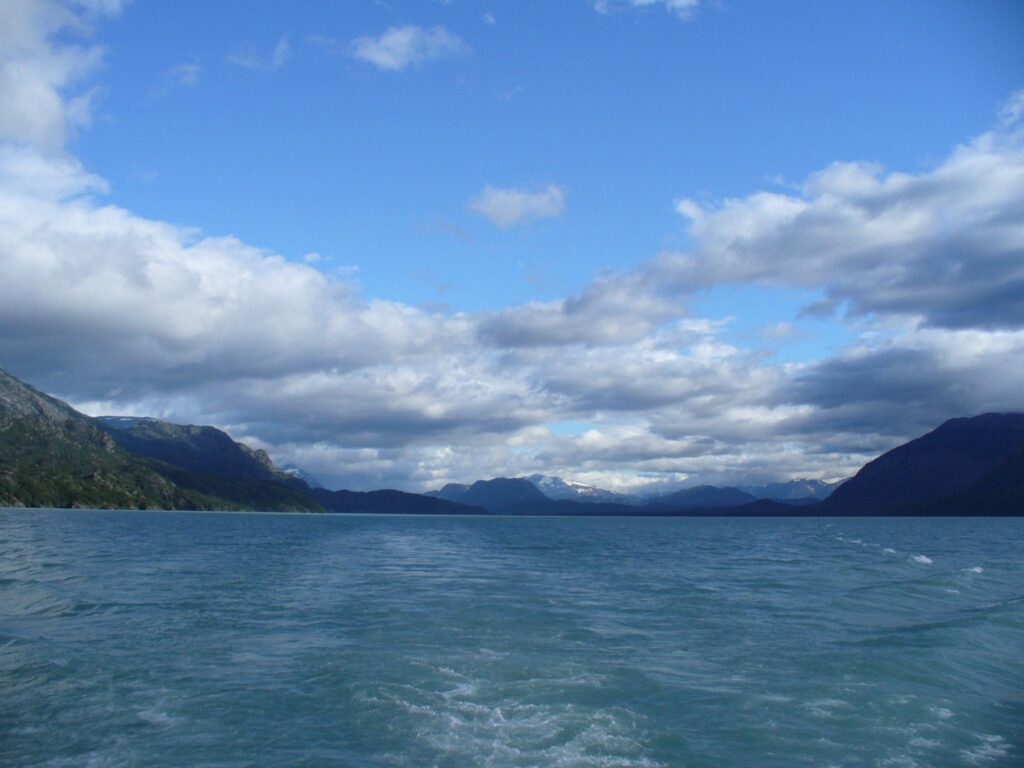
Nestled in the Patagonian wilderness, this breathtaking lake boasts depths of about 836 meters (2,742 feet). The lake’s dramatic landscapes, encircled by glaciers and mountains, contribute to its allure. Shared by Argentina and Chile, it is a critical habitat for various species and a spectacular destination for adventurers. Yet, beneath its captivating surface, mysteries abound. How have the glacial movements over eons shaped its form?
10. Nuuk Lake (Greenland)
Measuring depths of approximately 190 meters (623 feet), Nuuk Lake is a picturesque yet lesser-known lake that lies near Greenland’s capital. Its icy beauty paints a stark contrast to the surrounding landscape. The lake holds the potential for scientific exploration, especially in understanding climate change and its effects on Arctic systems. The uncharted territories of Nuuk Lake leave one to ponder: what could be learned from deep explorations of this Arctic gem?
As we conclude our underwater odyssey, we realize that the depths of these lakes harbor not only geological marvels but also a multitude of tales waiting to be unearthed. From ancient ecosystems to modern challenges, each lake offers a glimpse into Earth’s intricate tapestry of life and history. You now have the chance to explore and appreciate these natural wonders—are you daring enough to plunge into their depths, both literally and figuratively? Perhaps it’s time to grab a paddle and embark on your own adventure. Who knows what discoveries await beneath the surface? Explore deeper and embrace the challenges that come with it, as the world hides many secrets just within reach.
FAQ
What is the deepest lake in the world?
Lake Baikal in Siberia, Russia is the deepest lake in the world, reaching depths of over 1,600 meters (5,250 feet).
Which lake holds the largest volume of freshwater?
Lake Baikal holds about 20% of the world’s unfrozen freshwater, making it the largest freshwater lake by volume.
Are all the lakes listed freshwater lakes?
No, while most listed lakes are freshwater, the Caspian Sea is a large enclosed inland saline water body with lake-like characteristics.
Why are these lakes ecologically important?
These lakes support diverse ecosystems with many endemic species, serving as vital resources for surrounding communities and scientific research.
Can these lakes be visited by tourists?
Yes, many of these lakes like Lake Tahoe, Lake Superior, and Lake Baikal are popular tourist destinations known for their natural beauty and recreational opportunities.




Leave a Reply