
Short Answer
When one thinks of the ocean, they might envision serene waves lapping against the shore, but lurking beneath this tranquil surface is a world teeming with extraordinary dangers. Among them, jellyfish reign as some of the most enigmatic and perilous creatures, possessing a beauty that masks a lethal potency. This article delves into the ten deadliest jellyfish known to humankind, illuminating their captivating traits, profound allure, and the stark reminder that not all beauty comes without peril.
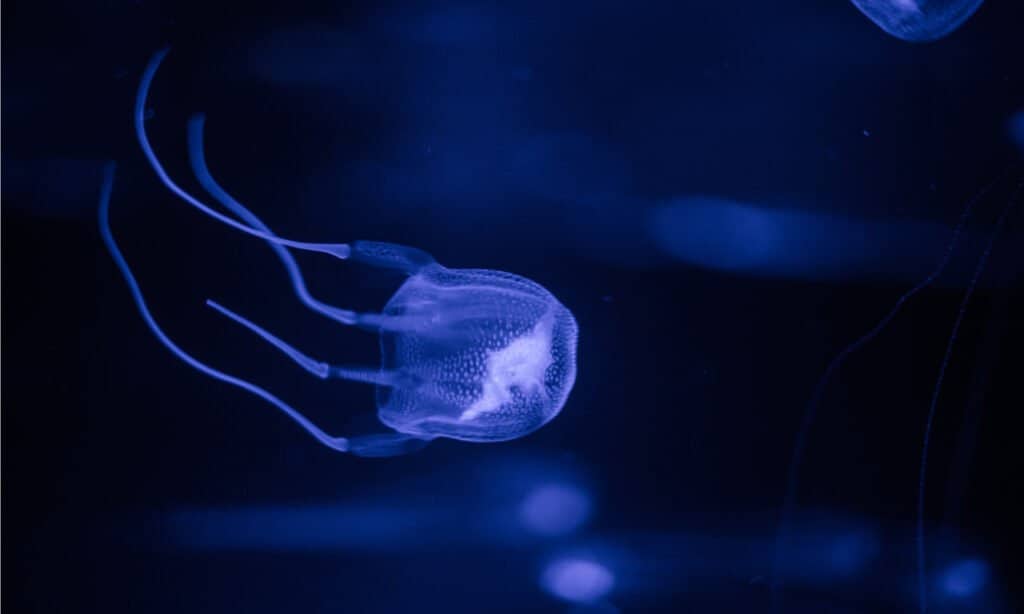
1. Box Jellyfish (Chironex fleckeri)
Widely regarded as the deadliest jellyfish in the world, the box jellyfish is a transparent enigma, effortlessly gliding through the warm waters of the Indo-Pacific region. Its tentacles can extend up to 10 feet and are laden with venom so potent it can cause cardiac arrest within minutes. The beauty of its ethereal form belies the devastation it can wreak—this aquatic specter teaches us that not all ghosts are benign. Encountering a box jellyfish is akin to dancing with death, an elegant waltz that can abruptly turn fatal.
2. Irukandji Jellyfish (Carukia barnesi)
Despite its minuscule size, often no larger than a marble, the Irukandji jellyfish doesn’t shy away from inflicting agony. Found in Australian waters, its venom can trigger Irukandji syndrome, a condition characterized by excruciating pain resembling a nightmare made flesh. The paradox of this jellyfish lies in its diminutive stature juxtaposed against its capacity for havoc—witness the wrath of a titan confined within a seemingly fragile shell. This creature serves as a poignant reminder of nature’s unpredictable complexity.
3. Portuguese Man o’ War (Physalia physalis)
A misnomer, the Portuguese Man o’ War is not a jellyfish but a colonial organism composed of four distinct polyps that function as one. Its vibrant, balloon-like float is an invitation to the unsuspecting. However, the tentacles can reach lengths of 30 feet, armed with venom that paralyzes fish and inflicts painful stings on unsuspecting swimmers. The mesmerizing colors of this creature are reminiscent of a drifter’s mystical sail, beckoning those who wander too close into the abyss of its sting.
4. Lion’s Mane Jellyfish (Cyanea capillata)
The lion’s mane jellyfish is an iridescent giant, boasting the title of the largest jellyfish species. Its tentacles can stretch an astonishing 120 feet, resembling a psychedelic mane flowing in the currents. While its sting rarely proves fatal to humans, it can leave a painful reminder of its presence, akin to the brush of a lion’s whiskers. This celestial jellyfish embodies the duality of grandeur and threat, a formidable monarch of the deep.
5. Sea Nettle (Chrysaora quinquecirrha)
Commonly found in the Atlantic Ocean, the sea nettle showcases a kaleidoscopic array of colors, often captivating the gaze of beachgoers. However, the beauty is tempered with a sting that ignites a fiery sensation upon contact. The sea nettle serves as a cautionary tale; its mesmerizing appearance cloaks a disquieting truth, demonstrating that even the mundane ocean can conceal malice under a façade of allure.
6. Black Sea Nettle (Chrysaora achlyos)
Hailing from the depths of the Pacific Ocean, the black sea nettle is another giant among jellyfish, shrouded in mystery. Its dark pigmentation and frilled tentacles create an eerie silhouette in the water, making it a captivating sight. Known for its powerful sting, the black sea nettle reminds us that beauty and danger can intertwine in magnificent ways, capturing the imagination while serving as a stark reminder of the ocean’s wrath.
7. Mauve Stinger (Pelagia noctiluca)
With an essence of ethereal beauty, the mauve stinger is known for its bioluminescent properties, lighting up the ocean’s depths with a mystical glow. Despite its stunning visual appeal, its potent sting can cause severe discomfort. This jellyfish is an emblem of the entrancing yet hazardous nature of the marine realm, likened to a siren calling sailors to their demise with its dazzling lights.
8. Sea Wasp (Chironex fleckeri)
The sea wasp, another moniker for the box jellyfish, embodies lethal elegance. With its complement of lethal tentacles and speed in the water, it is a fearsome predator. The transparency of its body makes it a ghostly presence in coastal waters, urging caution for any who dare cross its path. It serves as the apex of a predator’s paradox: lethal yet ethereal, striking fear into the hearts of those who experience the raw power of its venom.
9. Coastal Scyphozoan Jellyfish (Rhopilema esculentum)
This jellyfish exhibits a great expanse of color and form, often found in the coastal waters of East Asia. While not as toxic as others on this list, its sting can still render an uncomfortable experience for swimmers. The coastal scyphozoan offers insight into the notion of beauty mingled with danger, demonstrating that even seemingly harmless creatures can pack a punch.
10. Purple Jellyfish (Pelagia noctiluca)
Characterized by its striking purple hue and graceful drift, the purple jellyfish can pose a threat with its tentacles that contain venomous cells capable of stinging unsuspecting swimmers. The vibrant coloration is alluring, a siren song that masks its ability to instill pain. In its dance through the sea, the purple jellyfish invites contemplation about the balance of beauty and danger.
Though these ten species of jellyfish captivate the imagination, their lethality serves as a reminder of the ocean’s relentless temperament. Each jellyfish, with its otherworldly beauty and potent venom, captures the delicate balance of existence in the marine environment. As we explore the depths of the ocean, let us appreciate both its wonders and its perils, recognizing that within every shimmering veil lies a story—a dance between life and death, beauty and danger.
FAQ
What is the deadliest jellyfish in the world?
The box jellyfish (Chironex fleckeri) is considered the deadliest jellyfish due to its highly potent venom that can cause cardiac arrest within minutes.
Are all jellyfish stings fatal?
No, most jellyfish stings cause pain and discomfort but are not fatal; only certain species like the box jellyfish and Irukandji pose lethal risks.
How can I identify dangerous jellyfish?
Dangerous jellyfish often have long tentacles, translucent or brightly colored bodies, and are found in warm coastal waters; local warnings should also be heeded.
Is the Portuguese Man o' War a jellyfish?
No, it is a colonial organism composed of specialized polyps, often mistaken for a jellyfish.
What is Irukandji syndrome?
A condition caused by the sting of the Irukandji jellyfish, characterized by severe pain, muscle cramps, nausea, and potentially life-threatening symptoms.





Leave a Reply