
Short Answer
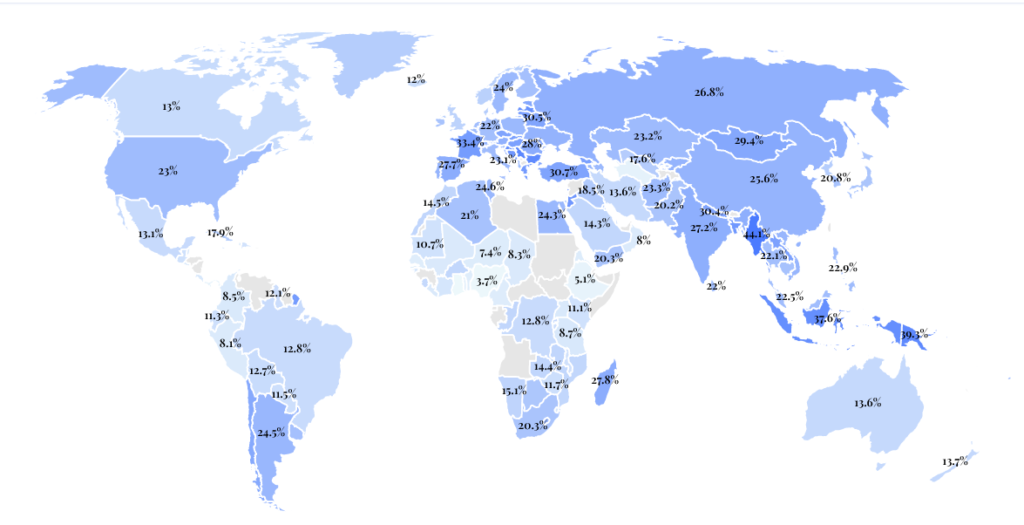
Smoking remains one of the most pervasive public health crises across the globe, affecting millions and influencing a myriad of socio-economic and health-related dimensions. While comprehensive measures have been implemented in many nations to combat tobacco use, certain countries still exhibit alarmingly high smoking rates. This article delves into the top ten countries with the highest prevalence of smoking, elucidating the factors that contribute to these staggering rates and the resultant health implications.
1. China
With a staggering number of smokers exceeding 300 million, China indisputably holds the unenviable title of the nation with the highest smoking rate. Cultural factors heavily influence this phenomenon; smoking is often interwoven with social interactions and business etiquettes. The ubiquity of inexpensive cigarettes, paired with marketing strategies that glorify smoking, creates a daunting challenge for public health initiatives aimed at reducing consumption. Furthermore, the Chinese government grapples with balancing economic interests tied to tobacco production and public health concerns.
2. Greece
Greece ranks impressively high in smoking prevalence in Europe. The nation’s rich cultural heritages intertwine with smoking practices, where outdoor cafés and social gatherings often see patrons indulging in cigarettes. Despite efforts to implement smoking bans in public places, compliance remains low, significantly contributing to high smoking rates. Additionally, a robust tobacco industry, coupled with a traditional acceptance of smoking, hampers cessation efforts.
3. Serbia
Serbia’s smoking culture is deeply ingrained into its day-to-day life, making it a strong contender in the global smoking statistics. Approximately one-third of the adult population engages in regular tobacco use. Factors such as political and economic distress, combined with inadequate public health policies, further sustain this habit. Despite initiatives to curb smoking, the nation’s liquor-fueled, tobacco-laden social environments complicate these endeavors.
4. Bulgaria
Bulgaria is another European country where smoking is remarkably prevalent, with nearly 40% of the adult population reported as active smokers. High levels of stress, economic instability, and a lack of effective cessation programs contribute to the alarming figures. Additionally, tobacco culture is embedded in daily life, and public acceptance continues to complicate discouragement efforts. Bulgaria faces an uphill battle in creating a smoke-free environment.
5. Russia
In Russia, smoking remains an intricate part of social and cultural identity, with around 30% of adults regularly smoking. The Russian Federation grapples with a dual challenge: addressing an aging population that smokes heavily and a younger demographic that may be picking up the habit. The disparity in cigarettes’ availability and government regulations creates a complex backdrop for anti-smoking campaigns, generating limited success in reducing smoking rates.
6. Indonesia
Known for its extensive diversity in tobacco use practices, Indonesia has one of the highest smoking rates in the world, with around 70% of adult males reportedly smoking. The historical integration of clove cigarettes, or “kretek,” and a lack of stringent regulation promotes tobacco consumption among men, with women’s usage rapidly increasing. The country’s limited public health initiatives exacerbate the issue, suggesting a societal acceptance of smoking that has profound repercussions for health and economy.
7. Jordan
Jordan, a Middle Eastern nation, is facing an increase in smoking prevalence, with rates nearing 30%. Traditional gatherings often feature smoking, which solidifies its role within social fabric. The tobacco industry thrives, with minimal regulation and overwhelming marketing strategies that obscure the detrimental health effects of smoking. Public awareness campaigns struggle to gain traction, overshadowed by cultural acceptance.
8. Turkey
Turkey has seen a notable rise in smoking rates, attributed to traditional practices along with changing social customs. Around 32% of the adult population smokes, contributing to significant public health challenges. Despite recent government initiatives targeting smoking cessation and tobacco control, the deeply-rooted tobacco culture makes substantial change a daunting task. The influence of control measures conflicts with economic interests tied to the domestic tobacco industry.
9. Vietnam
Vietnam’s smoking rates remain concerning, with an estimated one-third of adults smoking regularly. Cultural norms and societal acceptance of tobacco use contribute to this trend, wherein smoking is often viewed as a sign of masculinity and social standing. The tobacco industry’s stronghold within the economy complicates the implementation of effective cessation measures. Health campaigns face an uphill battle as they combat pervasive attitudes toward smoking.
10. Ukraine
Ukraine’s smoking rate stands at approximately 26% among adults. Economic struggles and limited access to cessation programs exacerbate this health crisis. The relaxed regulatory environment around tobacco advertising and promotion caters to a culture where smoking is widely accepted. Continuous public health initiatives are necessary to disrupt the cycle of addiction and reduce the detrimental health outcomes associated with smoking.
In conclusion, understanding the smoking rates across these countries reveals a complicated interplay of cultural norms, economic factors, and public health policies. While some nations have taken substantial steps toward reducing smoking prevalence, others continue to struggle with entrenched smoking habits. Tobacco control requires a multifaceted approach, combining government mandates, public education, and cultural shifts to effectively challenge this persistent public health dilemma. Addressing the nuances within each country’s smoking culture is crucial for creating more effective anti-smoking strategies, ultimately leading to healthier populations worldwide.
FAQ
Which country has the highest number of smokers in the world?
China has the highest number of smokers, with over 300 million people smoking regularly.
What cultural factors contribute to high smoking rates in certain countries?
Cultural acceptance of smoking in social gatherings, traditional practices, and association with masculinity contribute to high smoking rates.
What are some challenges countries face in reducing smoking rates?
Challenges include strong tobacco industries, economic dependence on tobacco, cultural acceptance, weak public health policies, and low compliance with smoking bans.
How do smoking rates vary by gender in high-prevalence countries?
In countries like Indonesia, smoking rates among adult males are extremely high, while female smoking rates are increasing but generally lower.
What strategies are effective in lowering smoking prevalence?
Effective strategies include comprehensive government regulations, public education, culturally tailored cessation programs, and reducing tobacco marketing.






Leave a Reply