
Short Answer
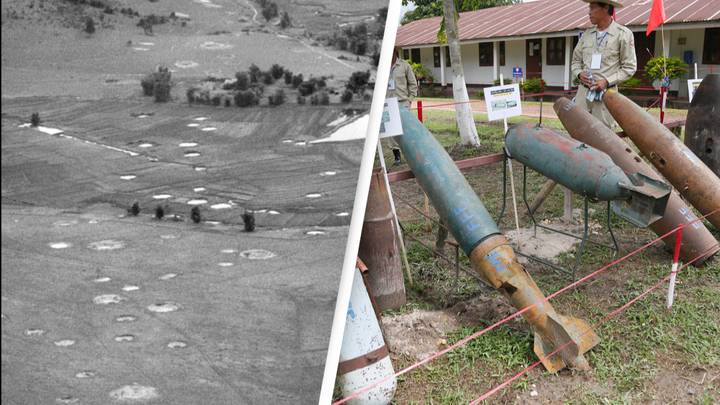
Throughout history, the world has witnessed the catastrophic aftermath of war, with bombings irrevocably altering nations and their societies. The sheer magnitude of destruction wrought upon specific countries invites a closer examination of the factors that led to such extensive aerial bombardment. This exploration transcends mere statistics, delving into historical grievances, geopolitical conflicts, and the often overlooked human tragedies underpinning these events. In this article, we will explore the top ten countries that have experienced the most intense bombardment, dissecting the reasons behind their recurring suffering and reflecting on the broader implications of warfare.
1. Germany
Marked by the devastation of two World Wars, Germany stands as one of the most heavily bombed nations in history. The Allied bombings during World War II targeted key industrial hubs and cities, culminating in operations such as the firebombing of Dresden. These strategic attacks aimed to cripple the Nazi war effort and demoralize the civilian population. The extensive consequences of such bombardments are still felt today, prompting discussions about reconstruction, historical memory, and the ethical implications of total war.
2. Japan
The impact of World War II extended to Japan, which endured extensive aerial bombardment, most infamously through the dropping of atomic bombs on Hiroshima and Nagasaki. In addition to these catastrophic events, cities like Tokyo faced relentless firebombing raids designed to obliterate industrial capacity and civilian morale. The reverberations of these bombings shape contemporary Japanese society, fueling anti-war sentiments and a commitment to peace. The psychological scars linger, motivating global conversations about nuclear disarmament and the moral lessons of warfare.
3. Vietnam
The Vietnam War unleashed a torrent of bombings, aimed primarily at both military and civilian targets to stymie the Viet Cong and North Vietnamese forces. Campaigns such as Operation Rolling Thunder and the extensive use of carpet bombing highlighted the United States’ strategy to exert military dominance. The heavy bombardments, particularly the use of napalm and Agent Orange, left a legacy of environmental destruction and profound toll on human life, illustrating the complexities of guerrilla warfare and the dire consequences of military interventions.
4. Korea
The Korean War, a conflict often overshadowed by its larger context, witnessed unprecedented aerial bombardment, with vast swathes of the country experiencing relentless attacks. Towns and infrastructure were obliterated, resulting in a humanitarian crisis that continues to reverberate in modern-day Korea. The extensive use of bombings not only devastated the physical landscape but also sowed enduring divisions that have led to ongoing geopolitical tensions in the region, raising questions about the legacies of conflict and national identity.
5. Iraq
Iraq’s modern history has been marred by intense military conflicts, with bombings becoming a tragically familiar reality. The Gulf War led to extensive aerial campaigns aimed at dismantling Saddam Hussein’s regime. Subsequent conflicts and insurgencies saw continued bombardment, exacerbating the humanitarian crisis within the country. The consequences of these bombings extend beyond physical destruction, fostering an environment of instability that has complicated nation-building efforts and left deep social scars.
6. Serbia
The NATO bombings during the Kosovo War represent a significant instance of modern military intervention through aerial strikes. Aimed at preventing ethnic cleansing and regional destabilization, these bombings resulted in widespread destruction across Serbia and its provinces. The ethical ramifications of this military strategy ignite ongoing debates over the responsibility of international powers in addressing humanitarian crises, blurring the lines between intervention and sovereignty.
7. Afghanistan
In the wake of the September 11 attacks, Afghanistan became the focal point of a protracted military campaign. The bombings aimed at dismantling the Taliban regime and combating terrorism have had far-reaching implications for the nation’s landscape and stability. The extensive use of drones and airstrikes has led to a staggering civilian toll, highlighting the challenges faced by foreign powers in their quest to restore peace and security. The haunting echoes of war continue to resonate within Afghan society, sparking discussions about the efficacy of military solutions to complex problems.
8. Libya
The civil conflict in Libya, compounded by NATO’s military intervention in 2011, witnessed significant bombardment aimed at toppling Muammar Gaddafi’s regime. Although framed as a humanitarian effort, the extensive bombings have yielded a fragmented society grappling with the aftermath of war. The complex interplay of local factions and international interests underscores the challenges of rebuilding and governance in a post-conflict environment, inviting scrutiny of international military interventions and their long-term consequences.
9. Yemen
The ongoing conflict in Yemen has resulted in one of the most devastating humanitarian crises in contemporary history, exacerbated by relentless bombardments from both local and foreign powers. Targeting various infrastructure and civilian areas, these bombings have led to widespread famine, disease, and suffering. The complexity of Yemen’s civil war, coupled with global interests, raises profound questions about war ethics, international accountability, and the responsibilities of nations towards those in dire need.
10. Palestine
The long-standing conflict between Israel and Palestine has witnessed cycles of bombardment, particularly in Gaza. Military operations aimed at targeting alleged militant infrastructure have resulted in substantial civilian casualties and destruction. The pervasive feelings of alienation and displacement fuel the conflict, highlighting the intricate webs of identity, territorial disputes, and international diplomacy. Understanding the history of bombings in Palestine compels a reflection on peace-building efforts and the urgent call for reconciliation.
In contemplating the countries that have endured extensive bombings throughout history, one is drawn to consider the intricate tapestry of geopolitics, human rights, and the enduring quest for peace. Each nation’s experience reflects not only the immediate effects of war but also the long-term ramifications on their societies, cultures, and global interactions. These historical episodes serve as stark reminders of the fragility of peace and the profound impact of human conflict, emphasizing the necessity for collective reflection and dialogue as the world moves forward. As society navigates complex international relations, the lessons learned from past bombings invite a commitment to pursue solutions rooted in diplomacy rather than destruction.
FAQ
Which country has experienced the most intense aerial bombardment historically?
Germany experienced some of the most intense aerial bombardment, particularly during World War II with extensive Allied bombing campaigns.
What are the long-term effects of bombing on countries like Vietnam and Iraq?
Long-term effects include environmental damage, civilian casualties, political instability, and ongoing social challenges.
How did the bombings influence post-war reconstruction efforts?
Bombings often destroyed critical infrastructure, requiring extensive rebuilding and influencing national memory, politics, and international relations.
Why is the bombing of Hiroshima and Nagasaki significant?
They are the only instances of nuclear bombings in warfare, causing massive immediate and lasting devastation and shaping global nuclear disarmament discourse.
What role do international interventions play in bombings such as in Libya and Serbia?
International interventions aim to stop conflicts or humanitarian crises but often raise ethical and sovereignty concerns due to the consequences of aerial bombings.





Leave a Reply