
Short Answer
Throughout history, mankind has been both a masterful creator and a calamitous destroyer. In the relentless pursuit of industrial advancement, we have pushed the boundaries of safety and efficiency, at times sacrificing caution for innovation. The allure of technology often belies the catastrophic potential it can unleash when mismanaged or neglected. This dichotomy is profoundly encapsulated in the ten most significant industrial disasters ever recorded, each a stark reminder of the vulnerabilities inherent in human endeavor. As we examine these incidents, we not only reflect on the tragedies themselves but also delve into a collective fascination with their causes and repercussions. Here are the top ten industrial disasters that left indelible marks on global history.
1. Bhopal Gas Tragedy (1984)
In the Indian city of Bhopal, a fateful night transformed an industrial facility into a harbinger of death. The leak of methyl isocyanate gas from the Union Carbide pesticide plant resulted in the catastrophic exposure of around 500,000 individuals. With an estimated death toll exceeding 15,000 and countless others enduring lifelong health complications, the Bhopal disaster underscores the dire consequences of lax safety regulations and operational oversight. This disaster not only instigated legal battles but also catalyzed changes in safety protocols across the globe.
2. Chernobyl Disaster (1986)
When reactor number four at the Chernobyl Nuclear Power Plant in Ukraine exploded, it released a significant quantity of radioactive isotopes into the atmosphere, marking one of the worst nuclear disasters in history. The immediate aftermath was catastrophic, with firefighters and plant workers receiving lethal doses of radiation. Thousands were evacuated, and long-term effects have been felt in both environmental degradation and public health crises. The intricate web of human error, design flaws, and a culture that neglected safety protocols spurred profound global discourse on nuclear power regulation and safety.
3. Deepwater Horizon Oil Spill (2010)
Off the coast of Louisiana, the Deepwater Horizon oil rig experienced a catastrophic blowout that led to millions of barrels of crude oil spewing into the Gulf of Mexico over 87 days. The environmental impact was monumental, obliterating marine ecosystems and causing irreversible harm to wildlife. The disaster spawned extensive litigation and highlighted the urgent need for reform in corporate accountability and environmental stewardship. The Deepwater Horizon catastrophe illustrates the perilous intersection of ambition and ecological fragility.
4. Triangle Shirtwaist Factory Fire (1911)
The Triangle Shirtwaist Factory fire in New York City stands as a grim testament to the dangers of industrial workplaces fraught with neglect. With minimal safety measures in place, the blaze claimed the lives of 146 garment workers, predominantly young immigrant women. This tragedy precipitated major labor reforms and established critical fire-safety regulations in building codes. It poignantly demonstrates how socio-economic dynamics intertwine with workplace safety, galvanizing public sentiment toward labor rights.
5. Minamata Disease (1950s)
In Minamata Bay, Japan, industrial pollutants from Chisso Corporation poisoned the local population, leading to severe neurological disorders. The neurotoxin methylmercury accumulated through the food chain, with devastating health effects manifesting in countless victims. This incident was a harrowing reminder of the dangerous ramifications of environmental negligence and corporate malfeasance, igniting movements for environmental protection and corporate responsibility. The legacy of Minamata continues to echo in conversations about pollution and health regulations.
6. Exxon Valdez Oil Spill (1989)
The Exxon Valdez oil spill remains one of the most infamous environmental disasters in U.S. history. A tanker, navigating the treacherous waters of Prince William Sound in Alaska, struck a reef, resulting in the release of approximately 11 million gallons of crude oil into pristine marine environments. This catastrophe devastated local wildlife and fisheries, and it prompted extensive legal and regulatory repercussions. The incident serves as a pivotal example of the consequences of human error compounded by inadequate preventive measures.
7. Tunguska Event (1908)
The Tunguska Event, while not a traditional industrial disaster, presents significant insights into the unforeseen effects of disruptive phenomena. A massive explosion, attributed to the airburst of a small comet or asteroid over Siberia, flattened an estimated 2,000 square kilometers of forest. The event, initially dismissed as folklore, raised awareness about the potential hazards posed by celestial bodies. It invites contemplation about humanity’s place in the cosmos and the precautionary measures required for a world increasingly affected by environmental calamities.
8. Oberhausen Gas Explosion (1929)
A gas explosion at a chemical plant in Oberhausen, Germany, caused a devastating fire that led to significant fatalities and injuries among workers. The explosion resulted from the failure to properly maintain equipment and adhere to safety protocols. This incident not only wrought havoc on the industrial community but also spurred regulatory reforms across the European chemical industry. It serves as a somber reflection on the critical nature of workplace safety and operational integrity.
9. Fukushima Daiichi Nuclear Disaster (2011)
In the wake of a colossal tsunami, the Fukushima Daiichi Nuclear Power Plant was severely compromised, leading to meltdowns and the release of radioactive material. The blend of natural disaster and human engineering shortcomings created a disabling scenario that displaced thousands and led to a reevaluation of nuclear energy policies worldwide. This catastrophe is a poignant reminder of our precarious balance with nature and the ongoing debate surrounding energy sources and safety standards.
10. Rana Plaza Collapse (2013)
The collapse of the Rana Plaza building in Bangladesh tragically highlighted the consequences of deficient structural integrity and disregard for safety standards in the garment industry. The death of over 1,100 workers crystallized the dire conditions prevalent in fast fashion industries. This disaster incited global outrage, prompting significant changes in labor laws and corporate accountability in supply chain management. It illustrates the interconnection between consumerism, corporate practices, and social responsibility.
These ten industrial disasters unveil the dark underbelly of progress—a cautionary tale of what can happen when safety and ethics are compromised in the name of advancement. Each incident not only serves as a lesson for preventing future catastrophes but also underscores the enduring human spirit that seeks to learn, adapt, and endeavor towards a safer, more conscientious industrial landscape. The fascination surrounding these incidents is not merely a morbid curiosity but a pivotal opportunity to galvanize change for a sustainable future.
FAQ
What is considered the biggest industrial disaster in history?
The Bhopal Gas Tragedy of 1984 is widely considered one of the biggest industrial disasters due to its massive death toll and lasting health effects.
What common factors contribute to industrial disasters?
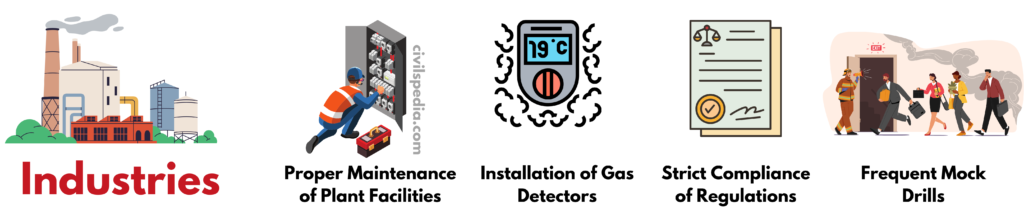
Common factors include lax safety regulations, human error, equipment failure, and inadequate emergency preparedness.
How have industrial disasters influenced safety regulations?
Many industrial disasters have led to stricter safety protocols, regulatory reforms, and increased corporate accountability worldwide.
Are environmental impacts always a part of industrial disasters?
Many industrial disasters, such as oil spills and nuclear accidents, cause significant environmental damage, though some disasters primarily affect human safety.





Leave a Reply