
Short Answer
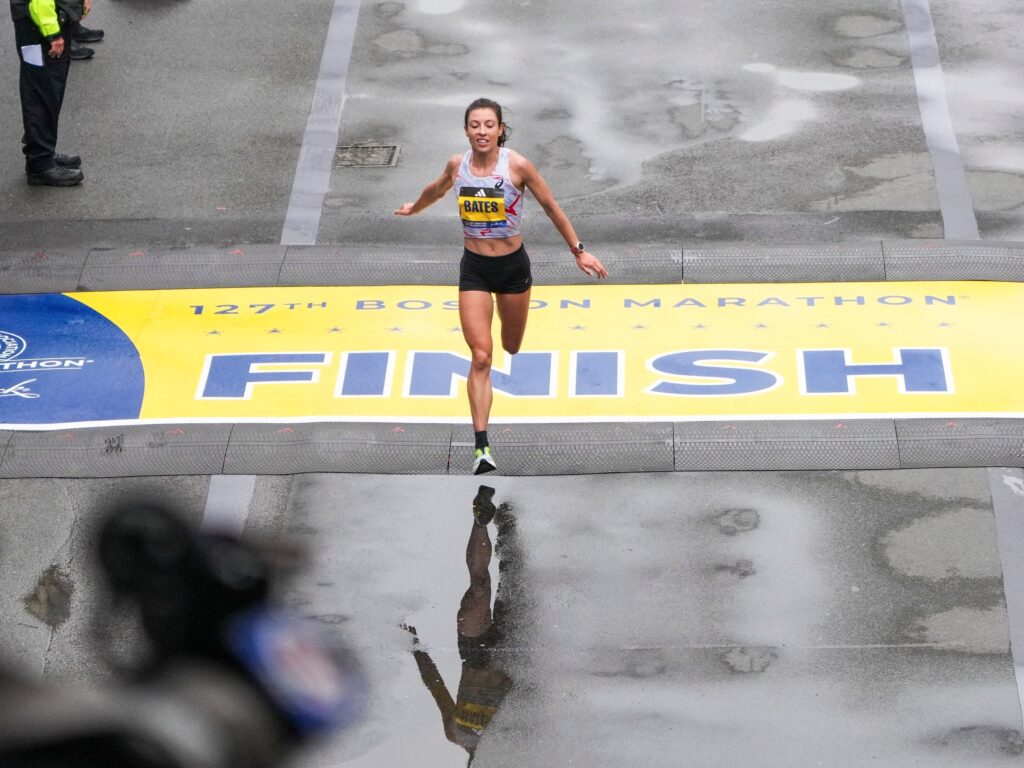
The Boston Marathon, a prestigious event steeped in history, has captivated runners and spectators alike since its inception in 1897. More than just a race, it represents endurance, resilience, and the relentless human spirit. Over the years, the marathon has witnessed countless unforgettable moments that have left indelible marks on its legacy. Here, we delve into the top ten moments that exemplify the Boston Marathon’s allure, forever shifting how we perceive not only the event itself but also the broader significance of perseverance and triumph.
1. The First Women to Run
In 1966, Bobbi Gibb became the first woman to officially run the Boston Marathon, despite not being allowed to officially enter the race until 1972. Dressed in a simple outfit with her hair tied back, she completed the grueling 26.2-mile course in an astonishing time, finishing in under three and a half hours. Gibb’s determination and passion paved the way for female runners, symbolizing a seismic shift in the perception of women in sports. Her spirit continues to inspire generations, reminding us that barriers are only as strong as one allows them to be.
2. The 1982 Finish Line Duel
A race for the ages unfolded in 1982 when Alberto Salazar and Dick Beardsley found themselves embroiled in a breathtaking neck-and-neck battle. As they approached the finish line, their sheer determination electrified the crowd. Salazar triumphed by a mere two seconds, marking one of the closest finishes in marathon history. This moment encapsulated the essence of competition, showcasing how dedication can yield miraculous outcomes. Their dramatic finish was more than just a race; it was a testament to the fierce rivalry and camaraderie that exists within the running community.
3. The Legend of Johnny Kelley
Known affectionately as “Mr. Boston,” Johnny Kelley left an indelible mark on the race throughout his illustrious career spanning five decades. With a record 61 finishes between 1928 and 1992, Kelley’s unwavering presence became synonymous with the Boston Marathon. His last finish in 1992, at the age of 84, became an emotional tribute to his legendary status. Kelley’s tenacity and love for the race embody the heart of the Boston Marathon, where age cannot diminish the spirit of a true champion.
4. The 2013 Tragedy
No recounting of the Boston Marathon would be complete without acknowledging the harrowing events of 2013. Two bombs exploded near the finish line, claiming lives and injuring many others in a horrific act of terrorism. Yet, from this tragic event arose a remarkable resilience. The hashtag “#BostonStrong” became a rallying cry, symbolizing unity, compassion, and hope in the face of adversity. This moment reshaped the narrative of the marathon, transforming it into a global symbol of strength and solidarity.
5. The Emergence of the Elite
Over recent decades, the Boston Marathon has transformed into a showcase for elite athletes from around the globe. The infusion of international talent, particularly from East Africa, raised the bar for competitive running. The 2014 victory of Meb Keflezighi, an American runner, after more than three decades since the last win by an American male, reignited national pride. His victory became a beacon of hope, illustrating the notion that persistence pays off, no matter the odds stacked against you.
6. The 100th Boston Marathon
In 1996, the centennial celebration of the Boston Marathon captivated both long-time participants and newcomers alike. To commemorate this milestone, the event was resplendent with tales of triumph, joy, and nostalgia. Thousands of runners, including previous champions, converged on the course, encapsulating the rich history that the marathon has encompassed. The 100th marathon underscored not just the endurance of athletes but the event’s historical significance in the realm of sports culture.
7. The Heart of the Wellesley Scream Tunnel
The Wellesley College “Scream Tunnel” has become an iconic reoccurrence during the marathon. As runners approach the college, they are met with boisterous cheers and enthusiastic support from the students. The palpable energy fuels their resolve, often resulting in unforgettable performances. This momentary joyous distraction epitomizes the human connection fostered through shared experiences, propelling athletes to dig deep within themselves for that last reserve of strength.
8. The First Visually Impaired Runner
In 1972, the Boston Marathon welcomed its first visually impaired participant. The inspirational story of this runner, navigating the course with their guide, broke conventions and showcased the immense potential of athletes living with disabilities. This moment illuminated the path for inclusivity within marathon running, demonstrating that determination knows no bounds and encouraging others to pursue their own dreams, regardless of their circumstances.
9. The Running Community’s Response
Following the tragic events of 2013, the running community’s response was unparalleled. Runners from all walks of life rallied together, demonstrating their solidarity through initiatives such as benefit races and tributes honoring the victims. This resilience resonated well beyond the confines of the marathon course, fostering a deep sense of kinship among participants worldwide and solidifying the marathon as a symbol of hope and community.
10. The Everlasting Spirit of the Boston Marathon
Ultimately, the Boston Marathon is much more than a mere athletic competition. Each moment described is woven into the rich tapestry of its history, evoking admiration and respect for the human spirit. As runners lace up their sneakers each year, they are reminded that they are partaking in something greater—an enduring legacy of resilience, triumph, and passion. These ten moments challenge us to rethink our own limitations, inspiring curiosity about what lies beyond the finish line.
In the end, every runner and every spectator contributes to the tale of the Boston Marathon, making it a profound journey of courage that resonates far beyond the 26.2 miles. Each year, this epic event transforms lives, igniting dreams, while assuring us that no challenge is insurmountable when faced with an unwavering spirit.
FAQ
When was the first Boston Marathon held?
The first Boston Marathon was held in 1897.
Who was the first woman to run the Boston Marathon?
Bobbi Gibb was the first woman to run the Boston Marathon in 1966.
What happened during the 2013 Boston Marathon?
In 2013, two bombs exploded near the finish line, resulting in casualties and injuries. The event led to the ‘#BostonStrong’ movement symbolizing resilience and unity.
What is the Wellesley Scream Tunnel?
The Wellesley Scream Tunnel is a tradition where Wellesley College students cheer loudly to support runners as they pass during the marathon.
Who is known as 'Mr. Boston' in marathon history?
Johnny Kelley is known as ‘Mr. Boston’ for his record 61 finishes in the Boston Marathon between 1928 and 1992.
FAQ
When was the first Boston Marathon held?
The first Boston Marathon was held in 1897.
Who was the first woman to run the Boston Marathon?
Bobbi Gibb was the first woman to run the Boston Marathon unofficially in 1966 and became officially allowed to enter in 1972.
What happened during the 2013 Boston Marathon?
Two bombs exploded near the finish line, causing fatalities and injuries, but the event also inspired the #BostonStrong movement symbolizing resilience and unity.
What is the Wellesley Scream Tunnel?
The Wellesley Scream Tunnel is an iconic cheering section at Wellesley College where students energetically support runners as they pass by.
Who is known as 'Mr. Boston' in the marathon's history?
Johnny Kelley, who finished the Boston Marathon 61 times between 1928 and 1992, earning the nickname ‘Mr. Boston.’
FAQ
When was the first Boston Marathon held?
The first Boston Marathon was held in 1897.
Who was the first woman to run the Boston Marathon?
Bobbi Gibb was the first woman to run the Boston Marathon unofficially in 1966.
What happened during the 2013 Boston Marathon?
Two bombs exploded near the finish line in 2013, resulting in deaths and injuries, but inspiring the ‘#BostonStrong’ movement.
Who is known as 'Mr. Boston'?
Johnny Kelley is known as ‘Mr. Boston’ for his record 61 finishes between 1928 and 1992.
What is the significance of the Wellesley College 'Scream Tunnel'?
The ‘Scream Tunnel’ at Wellesley College is a famous cheering point where students support and energize runners during the marathon.




Leave a Reply