
Short Answer
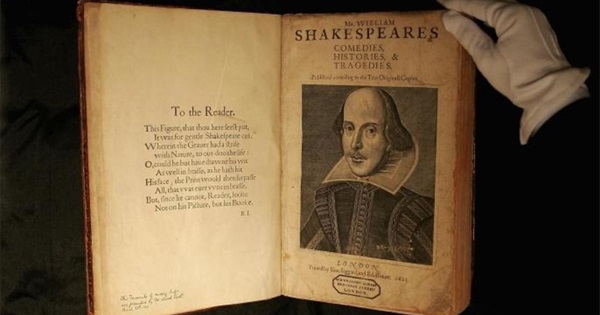
William Shakespeare, often celebrated as one of the greatest playwrights in history, crafted a body of work that resonates profoundly across the ages. His plays encapsulate the spectrum of human experience, merging intricate plots with rich characterizations. This enduring legacy invites readers and audiences alike into a realm of profound emotions, ethical dilemmas, and nuanced dialogues. Below is a compendium of the top ten Shakespearean plays that everyone should immerse themselves in, each a masterpiece that illuminates the human condition.
1. Hamlet
Regarded as Shakespeare’s magnum opus, *Hamlet* delves into the tumultuous psyche of a prince grappling with avenging his father’s murder. The play intricately explores themes of madness, revenge, and moral corruption while punctuating the philosophical quandary of existence itself. Hamlet’s famous soliloquy, “To be, or not to be,” encapsulates the essence of existential crisis, prompting readers to ponder the very nature of life and death. This play’s intricate character dynamics foster a compelling discourse on human motivations and the complexities of ethics.
2. Macbeth
3. Othello
*Othello,* a profound exploration of jealousy, trust, and racial prejudice, showcases Shakespeare’s astute psychological insight. The tragic downfall of Othello, a Moorish general, is orchestrated by Iago’s insidious manipulations. Through the lens of this tragedy, themes of societal division and the fragility of love are investigated, revealing how societal perceptions can distort personal relationships. The play serves as a cautionary tale about the corrosive effects of deception and the misplaced trust that can lead to ruin.
4. Romeo and Juliet
Often heralded as the quintessential tale of star-crossed lovers, *Romeo and Juliet* transcends its romantic façade to explore the destructive nature of familial discord and societal constraints. The fervent passion between the two protagonists juxtaposed against the backdrop of an age-old feud elicits a poignant commentary on love’s potential for tragedy. As audiences navigate themes of youthful impetuosity and the struggles against societal norms, they are led to contemplate the often senseless nature of enmity and the sacrifices love demands.
5. A Midsummer Night’s Dream
This enchanting comedy blurs the lines between reality and illusion, weaving a tapestry of love, magic, and chaos within the enchanted woods. *A Midsummer Night’s Dream* masterfully explores the complexities of romantic relationships and the transformative power of dreams. Through a series of delightful misunderstandings and whimsical interactions among fairies and lovers, Shakespeare interrogates the whimsicality of love and the transient nature of human perception. The play invites readers to consider how love can be both enchanting and bewildering.
6. King Lear
*King Lear* stands as a formidable testament to the destructive forces of pride and betrayal. The aging monarch’s journey from power to madness is a haunting exploration of familial bonds and the fragility of human understanding. As Lear grapples with his own folly, the tragic consequences of his decisions unfold, prompting a deep examination of loyalty, gratitude, and the boundaries of authority. The devastating denouement resonates with a sobering realization of the vulnerabilities inherent in human nature.
7. The Tempest
In *The Tempest,* Shakespeare crafts an island of intrigue, where themes of power, revenge, and reconciliation interlace within a narrative driven by the enigmatic figure of Prospero. This tale of survival and forgiveness postulates on the transformative potential of redemption and the human capacity to seek harmony. Shakespeare engages with the notions of colonization and the moral struggle between vengeance and mercy, creating an allegorical space that mirrors the complexities of the human experience.
8. Twelfth Night
*Twelfth Night* offers a captivating exploration of identity, love, and the joyous absurdity of life. Through a series of mistaken identities and comical scenarios, Shakespeare delves into the fluidity of gender and affection. The play’s humor and exuberance facilitate a dialogue on the nature of love, revealing its capacity for transformation and the transformative power of disguise. Amid the levity, deeper reflections on societal norms and personal desires emerge, prompting contemplation on the authenticity of self-expression.
9. Julius Caesar
Shakespeare’s *Julius Caesar* resonates as a pioneering political drama, intertwining themes of honor, loyalty, and betrayal. The assassination of Julius Caesar serves as a backdrop for an exploration of the consequences of political ambition and the moral complexities of leadership. Through the tragic outcomes faced by Brutus and the conspirators, the play interrogates notions of justifiable violence and the burdens of principled action, prompting reflections on the nature of justice and power.
10. Much Ado About Nothing
Each of these plays stands as a testament to Shakespeare’s unparalleled ability to encapsulate the intricacies of human emotions and the societal constructs that govern them. His works not only invite readers into a world of drama and suspense but also inspire profound reflection on the nature of humanity itself. Thus, engaging with these texts is not merely an academic endeavor but a journey toward understanding the depth of our shared experiences.
FAQ
Who was William Shakespeare?
William Shakespeare was an English playwright and poet widely regarded as one of the greatest writers in the English language.
What are some common themes in Shakespeare's plays?
Common themes include love, power, jealousy, betrayal, revenge, and the complexity of the human condition.
Why are Shakespeare's plays still relevant today?
His plays explore timeless human emotions and ethical dilemmas that continue to resonate with modern audiences.
Which Shakespeare play is considered his greatest work?
Many consider ‘Hamlet’ to be Shakespeare’s magnum opus due to its deep exploration of existential themes.






Leave a Reply