
Short Answer
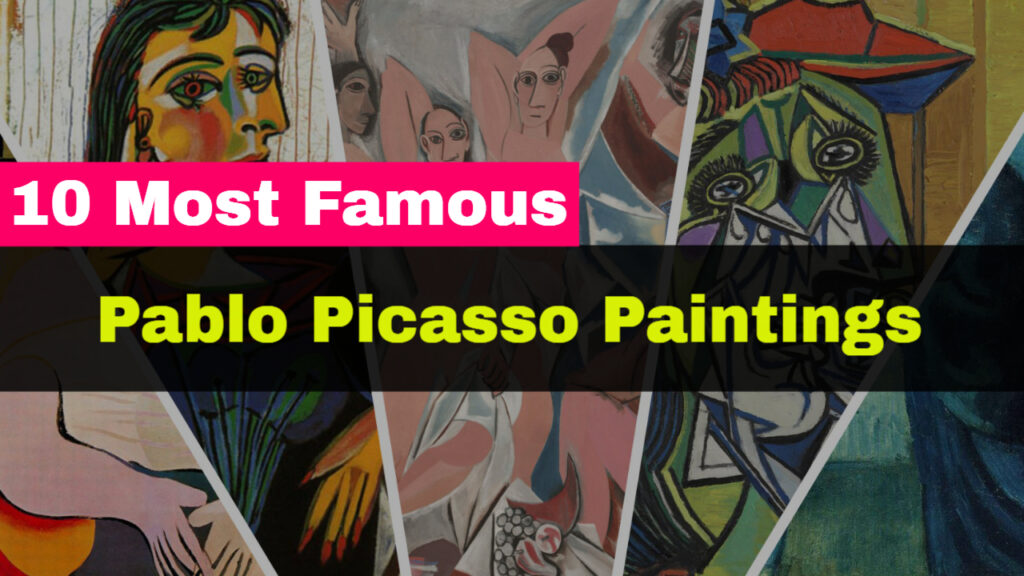
Pablo Picasso’s work revolutionized the art world on multiple fronts, breaking conventions and pushing boundaries that forever altered artistic expression. Each of his paintings introduced fresh perspectives and bold innovations that challenged traditional norms. This list highlights the top 10 Picasso paintings that not only defined his career but also left an indelible mark on the trajectory of modern art. Prepare for a journey through masterpieces that promise a shift in perspective, piquing curiosity with their groundbreaking styles and profound cultural impact.
1. Les Demoiselles d’Avignon (1907)
Often regarded as the cornerstone of Cubism, “Les Demoiselles d’Avignon” shattered conventional representation of the human form. Picasso’s fractured planes and angular shapes challenged classical perspectives, portraying five nude figures in a revolutionary, raw manner. This painting sparked debates about beauty, form, and the very nature of visual reality.
2. Guernica (1937)
“Guernica” is Picasso’s powerful response to the horrors of war, created after the bombing of the Basque town during the Spanish Civil War. Its monochromatic palette and distorted figures convey anguish and chaos, serving as a timeless political statement. This painting expanded the role of art as a medium for social commentary and protest.
3. The Weeping Woman (1937)
A continuation of the emotional intensity found in “Guernica,” “The Weeping Woman” captures grief through fragmented and exaggerated facial features. Picasso’s use of bright colors contrasts with the sorrowful subject, enhancing the complexity of emotional expression. This work deepened the exploration of human suffering in modern art.
4. Girl Before a Mirror (1932)
This vibrant and introspective portrait explores identity and self-perception. Through a juxtaposition of the girl’s reflection and her real form, Picasso delves into psychological duality. The painting’s bold colors and abstract shapes invite viewers to question appearance versus reality.
5. Three Musicians (1921)
A prime example of Synthetic Cubism, “Three Musicians” presents three figures composed of flat, interlocking shapes and bright colors. This playful yet sophisticated composition marked a shift from the fragmented Analytic Cubism toward a more decorative and accessible style, influencing future abstract art.
6. Portrait of Dora Maar (1937)
Depicting Picasso’s mistress and muse, this portrait blends surreal elements with Cubism. The distorted features and emotional intensity emphasize psychological complexity and the influence of personal relationships on artistic creativity. It highlights Picasso’s ability to fuse personal narrative with avant-garde technique.
7. La Vie (1903)
From Picasso’s Blue Period, “La Vie” portrays themes of poverty, despair, and existential introspection. The somber color palette and melancholic figures depict raw human emotion, signaling a move towards art that explores profound social and psychological issues.
8. The Old Guitarist (1903-1904)
An iconic Blue Period work, this painting captures loneliness and fragility through the image of a bent, elderly musician. The elongated limbs and monochrome blues demonstrate Picasso’s early break from traditional form toward expressive, symbolic imagery.
9. The Minotaur (1933)
This lesser-known work introduces mythological themes with surreal and symbolic elements. Picasso’s portrayal of the Minotaur reflects inner conflict and primal instincts, hinting at his move towards more enigmatic and narrative-driven subject matter outside pure Cubism.
10. Family of Saltimbanques (1905)
Representing Picasso’s Rose Period, this painting features a group of circus performers rendered with warmth and gentle tones. It signifies a shift from emotional desolation to human connection and tenderness—an exploration of outsiders that resonates with universal themes of inclusion and alienation.
FAQ
What makes 'Les Demoiselles d’Avignon' a cornerstone of Cubism?
'Les Demoiselles d’Avignon' introduced fragmented planes and angular forms that broke away from classical representation, laying the foundation for Cubist art.
How does 'The Weeping Woman' relate to 'Guernica'?
'The Weeping Woman' continues the emotional and political themes of 'Guernica,' exploring grief and suffering through vivid colors and distorted forms.






Leave a Reply