
Short Answer
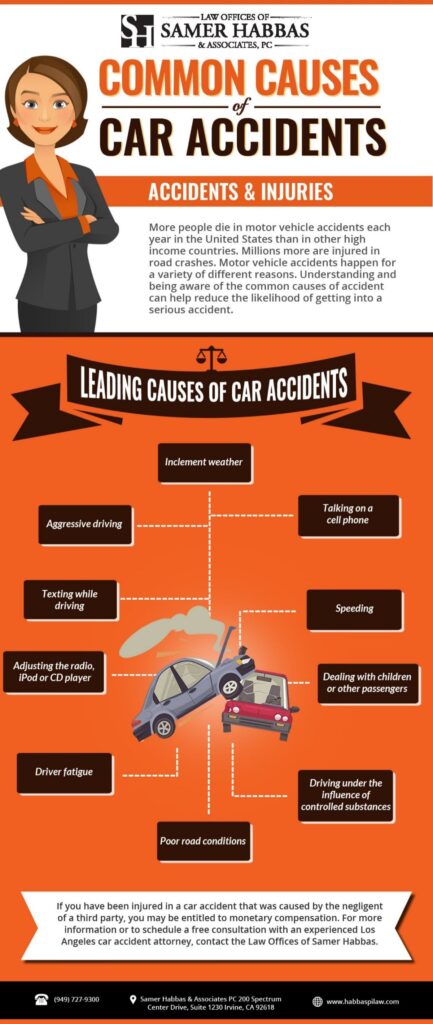
Car accidents remain a significant public safety concern in the United States, contributing to thousands of injuries and fatalities each year. Understanding the most common causes of these accidents is crucial to adopting safer driving habits and reducing risks on the road. This article outlines the top 10 causes of car accidents in the US, providing insight into each factor and tips on how to avoid becoming a statistic.
1. Distracted Driving
Distracted driving is the leading cause of car accidents nationwide. This category includes activities such as texting, talking on the phone, eating, or adjusting the radio while behind the wheel. Distractions significantly reduce a driver’s focus and reaction time, increasing the chance of collisions. To avoid accidents, it’s essential to keep your full attention on the road and minimize distractions.
2. Speeding
Driving over the speed limit is a common factor in crashes because high speeds reduce the driver’s ability to react to sudden changes and increase the severity of collisions. Speeding also limits the effectiveness of safety features like airbags and seat belts. Maintaining a safe speed consistent with traffic laws and road conditions is critical for safe driving.
3. Drunk Driving
Impaired driving due to alcohol consumption dramatically impairs judgment, coordination, and reaction times. Despite efforts to combat drunk driving, it remains a major cause of fatal car accidents in the US. Avoiding alcohol before driving and using designated drivers or ride-sharing services are essential steps to prevent alcohol-related crashes.
4. Reckless or Aggressive Driving
Reckless driving behaviors include tailgating, abrupt lane changes, running red lights, and ignoring traffic signs. Aggressive driving escalates risk significantly, often leading to severe accidents. Practicing patience and obeying traffic rules helps maintain road safety for all users.
5. Weather Conditions
Adverse weather such as rain, fog, snow, or ice makes roads slippery and reduces visibility, increasing accident risk. Drivers should reduce speed, increase following distance, and use headlights appropriately during inclement weather. Proper vehicle maintenance, such as tire tread checks, also contributes to safer driving in harsh conditions.
6. Running Red Lights and Stop Signs
Ignoring traffic signals results in dangerous collisions at intersections. This behavior often leads to T-bone accidents, which can cause significant injuries. Drivers must exercise caution and always obey traffic control devices to avoid intersection-related crashes.
7. Driver Fatigue
Fatigue impairs concentration and slows reaction time similarly to alcohol impairment. Long trips, night driving, or lack of sleep can cause drowsiness behind the wheel. Taking breaks, sharing driving duties, and getting adequate rest are necessary to prevent fatigue-related accidents.
8. Poor Road Conditions
Potholes, uneven surfaces, debris, and inadequate signage contribute to crashes by making vehicles harder to control. While drivers can’t always prevent poor road conditions, they should remain vigilant and adjust driving accordingly when hazards are present.
9. Inexperienced Drivers
New drivers often lack the skills and judgment developed through experience, leading to errors such as misjudging traffic gaps or improper use of mirrors. Consistent practice, driver education, and adherence to graduated licensing programs help improve safety for novice motorists.
10. Vehicle Defects
Mechanical failures such as brake malfunctions, tire blowouts, or steering problems can trigger accidents. Regular vehicle maintenance, timely repairs, and recalls compliance are essential to ensure your car is safe to operate and to avoid accident risks linked to vehicle defects.
FAQ
What are the most common causes of car accidents in the US?
The most common causes include distracted driving, speeding, drunk driving, reckless driving, poor weather conditions, running red lights or stop signs, driver fatigue, poor road conditions, inexperienced drivers, and vehicle defects.
How does distracted driving contribute to accidents?
Distracted driving reduces a driver's focus and reaction time, significantly increasing the risk of collisions.
What safety measures can reduce the risk of car accidents?
Adopting safe driving habits such as obeying speed limits, avoiding alcohol before driving, staying alert, maintaining your vehicle, and adjusting driving to weather and road conditions help reduce accident risks.





Leave a Reply