
Short Answer
When we think of the ocean, it often conjures images of serene beauty, vibrant coral reefs, and majestic marine life. Yet, hidden beneath the cerulean waves lies a realm rife with peril. Indeed, the ocean is home to some of the most dangerous creatures on the planet. From venomous predators to beasts with lethal physical might, the vast expanse of the sea holds an array of threats that even the most seasoned ocean adventurer should acknowledge. Herein lies a detailed exploration of the top ten most dangerous sea creatures that should instill a healthy sense of respect—and perhaps even fear—in anyone who ventures into their watery domain.
1. Box Jellyfish
The box jellyfish is an ethereal creature, often described as one of the most venomous animals in the world. Its translucent, bell-shaped body houses tentacles that can reach up to ten feet in length. These tentacles are armed with thousands of nematocysts that deliver an excruciating sting, potentially causing cardiac arrest. Found predominantly in the waters off Australia and Southeast Asia, encounters with this gelatinous predator can be fatal within minutes. This creature’s beauty belies its lethal capabilities, making it a silent terror of the deep.
2. Stonefish
Often referred to as the “master of camouflage,” the stonefish is deceptively inconspicuous, blending seamlessly with the ocean floor. This ambush predator is known for its incredible venom, which it injects through spines on its back. The pain from a stonefish sting is excruciating and can lead to paralysis or even death if medical attention is not sought immediately. Found in tropical waters in the Indo-Pacific region, the stonefish exemplifies the adage that not everything that appears harmless is safe.
3. Blue-Ringed Octopus
This small yet formidable cephalopod possesses a dazzling array of blue rings that serve as a warning signal. Despite its diminutive size, the blue-ringed octopus carries enough venom—specifically, tetrodotoxin—to kill a human in minutes. There is no known antidote for this potent neurotoxin, which leads to paralysis, respiratory failure, and, ultimately, death. They are typically found in tide pools and shallow waters in the Pacific and Indian Oceans, enticing unsuspecting onlookers with their vibrant patterns).
4. Lionfish
The lionfish, with its striking appearance characterized by elongated fins and vibrant stripes, is as beautiful as it is dangerous. Native to the Indo-Pacific, this invasive species has spread to the Caribbean and Atlantic waters, wreaking havoc on local ecosystems. Its venomous spines can induce severe pain, nausea, and respiratory distress. Though not lethal to humans, the lionfish’s presence serves as a reminder that not all invasive species are benign; they can disrupt and devastate delicate aquatic ecosystems.
5. Great White Shark
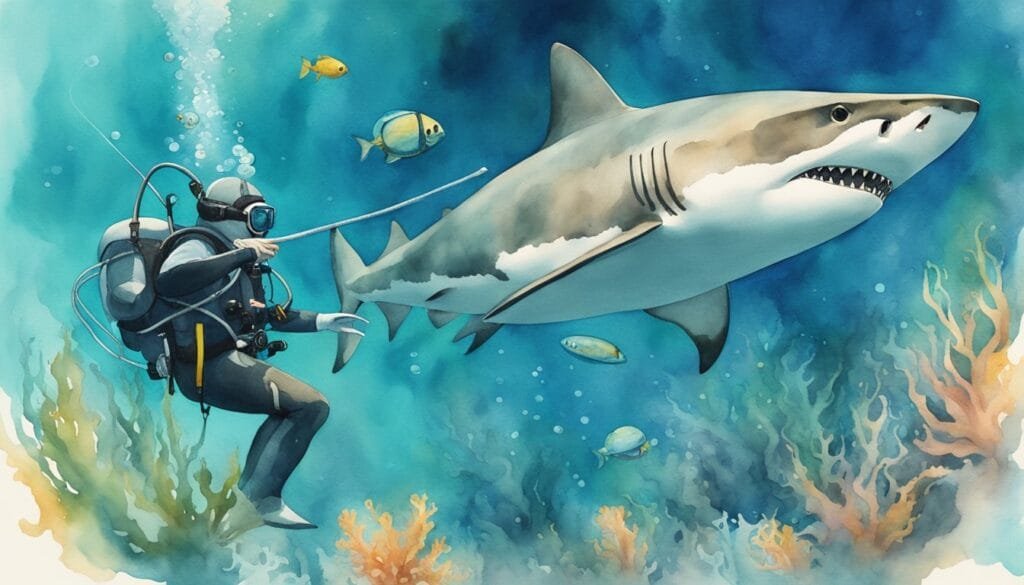
When discussing the most dangerous sea creatures, one cannot overlook the great white shark—a symbol of oceanic terror and intrigue. Equipped with rows of serrated teeth, these apex predators possess a powerful bite capable of inflicting catastrophic injuries. While great white shark attacks on humans are relatively rare and often mistaken identity, their sheer size and strength demand caution. Their presence in many coastal waters serves as a reminder of the primal nature of marine life, where survival rests on instinct and ferocity.
6. Greenland Shark
The Greenland shark is a deep-sea dweller that possesses an enigmatic allure. While not overtly aggressive, its immense size and long lifespan (over 400 years) make it a fascinating and unsettling creature. The Greenland shark has a notably slow movement, and its meat contains toxic levels of trimethylamine oxide, which could be fatal if consumed without proper preparation. The rarity of human encounters creates an air of mystery and danger that surrounds this ancient inhabitant of the Arctic and sub-Arctic waters.
7. Pufferfish
Pufferfish, also known as fugu, are renowned for their unique ability to inflate when threatened. However, what renders this seemingly innocuous fish dangerous is the tetrodotoxin concentrated in its tissues. This potent neurotoxin can cause paralysis and death within hours if ingested improperly. In countries like Japan, pufferfish delicacies are prepared by specially trained chefs, emphasizing the fine line between culinary artistry and mortal peril. As such, the pufferfish serves as a reminder that nature conceals both beauty and danger in equal measure.
8. Cone Snail
At first glance, the cone snail may seem harmless, adorned with exquisite shells that many treasure in collections. However, beneath this external beauty lies a fierce predator armed with a hollow, harpoon-like tooth capable of delivering venom that paralyzes prey—and can similarly incapacitate humans. The venom of certain species can lead to paralysis, respiratory failure, and even death. Caution is paramount around these seemingly benign mollusks, as their beauty belies a deadly arsenal.
9. Moray Eel
With long, sinewy bodies and a reputation for unpredictability, moray eels are both fascinating and frightening. While they are not inherently aggressive, they possess powerful jaws filled with sharp teeth that can deliver a painful bite when provoked. Found in crevices within reefs, their formidable presence serves as a warning to divers and snorkelers alike. The moray eel exemplifies how even the most captivating marine creatures can become formidable when their territory is threatened.
10. Vampire Squid
Residing in the deep abyssal depths of the ocean, the vampire squid possesses a unique adaptation that sets it apart from other cephalopods. Though it feeds primarily on detritus and does not prey on larger creatures, its bioluminescent capabilities and eerie appearance evoke a sense of dread. When threatened, it can expel clouds of bioluminescent material to confuse predators. In this context, the vampire squid’s nocturnal habitat reinforces the notion that danger can manifest in the most unexpected forms, far removed from the familiar shores.
In conclusion, the ocean teems with life, some of which is simply awe-inspiring, while others evoke a healthy dose of fear. From the beautifully sinister box jellyfish to the fearsome great white shark, understanding these creatures’ behaviors and capabilities is crucial for anyone who dares to explore their habitat. While the allure of the ocean cannot be overstated, the myriad dangers that accompany its beauty compel us to approach with caution and respect, lest we become unwitting participants in the intricate web of marine life’s survival. Dig deep into the waves, but do not forget the lessons these magnificent yet perilous beings impart.
FAQ
What are some of the deadliest sea creatures?
Deadliest sea creatures include the box jellyfish, stonefish, blue-ringed octopus, and cone snail, known for their potent venom.
How do venomous sea creatures defend themselves?
They use venom delivered through stings, bites, or spines to deter predators or capture prey.
Is the great white shark the most dangerous sea creature to humans?
While great white sharks are powerful predators, venomous creatures like the box jellyfish pose a more immediate lethal threat.
Are all dangerous sea creatures aggressive?
No, many are defensive or ambush predators and attack only when threatened or provoked.
What precautions should one take in waters inhabited by dangerous sea creatures?
Avoid touching marine life, wear protective clothing, heed local warnings, and seek immediate medical help if stung or bitten.





Leave a Reply