
Short Answer
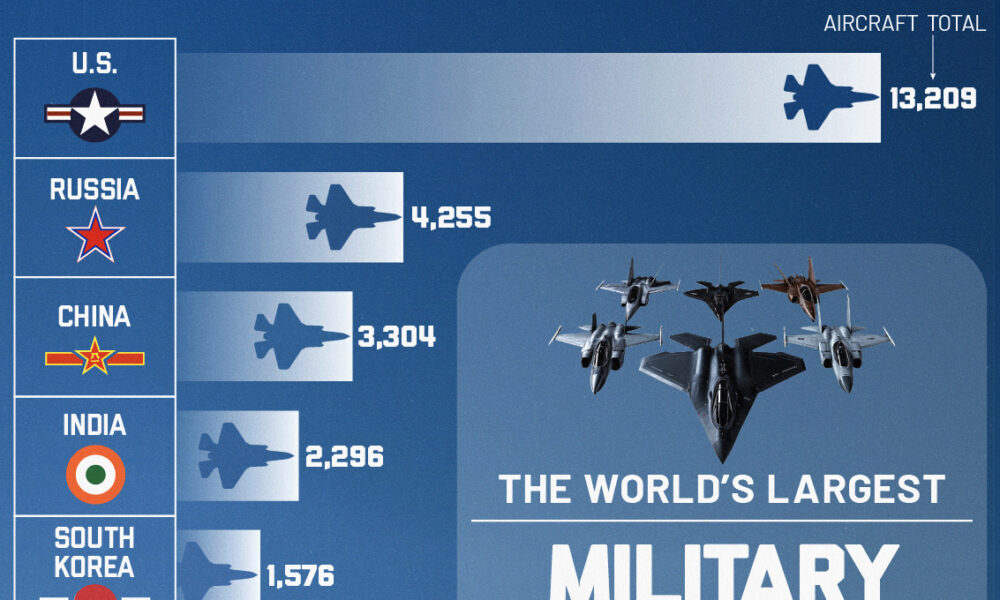
In an increasingly complex world characterized by geopolitical rivalries, technological advancements, and an ever-present threat matrix, the militaries of various nations are growing in both size and capability. As nations rigorously compete for dominance and security, military budgets become a focal point of national priorities and global observation. Here, we delve into the top ten countries with the most substantial defense expenditures, not merely to present numerical figures, but to tease apart the underlying motivations and ramifications that accompany such investments.
1. United States
At the pinnacle of the military budget hierarchy stands the United States of America, allocating a staggering amount of resources toward its defense sector. In 2023, the U.S. military budget surpassed a significant threshold, reflecting its commitment to maintaining a robust global presence. This financial heft supports diverse military operations, cutting-edge research and development, and an extensive array of tactical and strategic assets. The reasons for this exorbitant budget are manifold, including commitments to NATO allies, engagement in multi-layered conflicts, and a quest for technological superiority in domains such as cyber, maritime, and aerospace warfare.
2. China
Following the U.S., the People’s Republic of China has made relentless strides, rapidly expanding its military budget in tandem with its aspirations to become the preeminent global power. With an official budget that has increased consistently over the years, China increasingly emphasizes modernization and technological innovation, aiming to challenge U.S. hegemony in areas such as the South China Sea. This military investment is indicative of a broader strategic vision, where enhanced military capabilities serve both deterrent and assertive purposes on the international stage.
3. India
India occupies a prominent position in the defense budgeting spectrum, reflecting its status as a regional powerhouse in South Asia. With persistent tensions on its borders, particularly with Pakistan and China, India’s military expenditures are significantly geared towards enhancing its defense readiness and expanding its military capabilities. The budget underlines investments in indigenous military production and procurement, tapping into a self-reliance agenda known as ‘Atmanirbhar Bharat’ or Self-Reliant India, which promises an ambitious trajectory toward defense autonomy.
4. Russia
The Russian Federation continues to assert its military prowess through a substantial defense budget that prioritizes modernization and strategic deterrence. Despite the economic sanctions and geopolitical pressures it faces, Russia’s commitment to a robust military is unwavering. Investments stimulate not only conventional forces but also the development of advanced systems such as hypersonic weapons and cyber capabilities. These expenditures serve as a testament to its ambition of asserting global influence and countering perceived threats to its sovereignty.
5. Saudi Arabia
Unexpectedly positioned high in the rankings, Saudi Arabia’s military budget is reflective of its regional aspirations and security concerns. The Kingdom allocates a considerable portion of its wealth towards defense to bolster internal stability and safeguard against external threats. The ongoing conflict in Yemen and broader tensions with Iran catalyze this military spending, as does the nation’s vision to become a formidable military force in the Middle East. Defense procurement seeks to modernize its armed forces, including advanced air defense systems and naval capabilities.
6. United Kingdom
The United Kingdom maintains a substantial military budget that aligns with its commitment to global engagement and defense partnerships, notably through NATO. Recent strategic reviews indicate a shift in focus towards amphibious and cyber capabilities, emphasizing the need for adaptability in evolving security landscapes. The U.K. budget reflects not just military readiness but also investment in soldiers, welfare, and future technologies, echoing a resolve to retain its standing as a global power.
7. Germany
Germany’s military budget has historically been modest relative to its economic prowess, but recent years have seen a marked shift in investment patterns. Amid its role as a leading European nation, Germany aims to bolster its defense capabilities, particularly in response to rising tensions from the east and the imperative to fulfill NATO commitments. The renewed emphasis on modernizing its military infrastructure signals a transformative phase in German defense policies, driven by a desire for greater strategic autonomy.
8. France
With a military budget that resonates with its ambition of global influence, France continues to uphold a robust defense posture. Investments cater to both conventional and nuclear forces, bolstering its role as a key player in European defense and international security. French military operations across Africa and its ongoing commitments to NATO solidify its standing on a world stage, while indigenous capabilities in defense manufacturing and technology are integral to sustaining its military autonomy.
9. Japan
Japan’s military budget represents a marked departure from its post-World War II pacifism, as security concerns in the Asia-Pacific evolve. The Self-Defense Forces have seen increased funding to enhance capabilities in response to North Korean threats and China’s assertive regional posture. This shift is not merely quantitative but also qualitative, emphasizing advanced technological attributes in areas like missile defense and cybersecurity, all while navigating complex domestic and regional sentiments about militarization.
10. South Korea
Rounding out the list, South Korea’s military budget underscores its persistent tensions with North Korea and its commitment to national security. Strategic investments prioritize both conventional forces and technological innovations, reflecting the nation’s focus on deterrence and defense readiness. This budgetary emphasis allows South Korea to play a pivotal role in regional security dynamics while fostering partnerships with allies, particularly the United States.
As the military budgets of these nations highlight, the interplay of geography, politics, and historical legacies shapes defense strategies in profound ways. The fascination with these budgets is not merely about numbers; it reflects deeper narratives: the quest for security, the assertion of power, and the relentless pursuit of technological superiority. This intricate tapestry reveals that military expenditures are more than financial allocations; they represent a nation’s aspirations, realities, and responses to an ever-evolving geopolitical landscape.
FAQ
Which country has the largest military budget?
The United States has the largest military budget in the world.
Why do countries spend heavily on their military budgets?
Countries invest heavily in military budgets to maintain national security, technological superiority, and geopolitical influence.
How does military spending affect global politics?
Military spending influences global politics by affecting power balances, alliances, and deterrence strategies among nations.
What are some recent trends in military budgeting?
Recent trends include increased spending on cyber warfare, advanced technology, and modernization of conventional forces.



Leave a Reply