
Short Answer
As we traverse the landscape of technological evolution, Linux continues to assert itself as a prominent operating system, lauded for its versatility, security, and the engaged community around it. With the dawn of 2026 on the horizon, an array of Linux distributions (distros) are poised to cater to various user needs, ranging from novice to seasoned developers. Whether you are seeking a platform for programming, a secure environment for privacy-sensitive tasks, or a multimedia powerhouse, this listicle unveils the top ten Linux distros to explore in 2026.
1. Ubuntu 22.04 LTS
Ubuntu remains a cornerstone among Linux distros, and its Long Term Support (LTS) version, 22.04, promises stability and support until 2027. This user-friendly distro is perfect for those new to Linux, thanks to its intuitive interface and extensive documentation. The vibrant community contributes countless packages and apps, making Ubuntu an optimal choice for both personal computing and development environments. Expect seamless compatibility with hardware and software, alongside regular updates that ensure your system remains secure.
2. Fedora 37
Fedora is often regarded as a cutting-edge champion of the Linux world. With version 37, users can revel in the latest advancements in Linux technology. Known for its adherence to free and open-source software principles, Fedora is favored by developers and tech enthusiasts. The integration of cutting-edge features, such as the latest kernel and desktop environments, ensures a responsive and visually appealing user experience. Its modular approach allows users to pick and choose components, making Fedora as flexible as it is powerful.
3. Arch Linux
For those who revel in a do-it-yourself (DIY) philosophy, Arch Linux is a quintessential choice. This minimalist distro lets users build their operating system from the ground up, emphasizing user control and customization. The Arch User Repository (AUR) offers an extensive collection of software, providing the freedom to tailor your system to your exact needs. While Arch may present a steeper learning curve, the documentation and community support are unparalleled, making it ideal for hobbyists and system architects alike.
4. Linux Mint 21.3
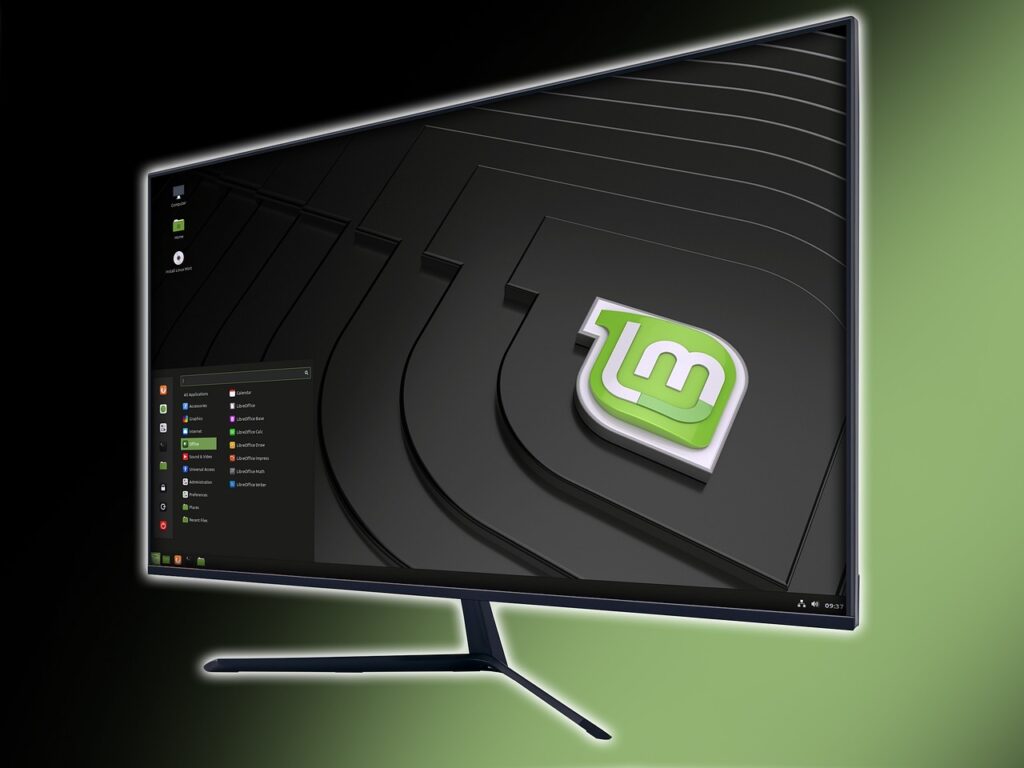
Linux Mint remains a popular choice among users transitioning from Windows. Version 21.3 builds on its reputation for user-friendly experience with an elegant Cinnamon desktop environment. This distro offers a familiar interface, combined with robust performance and an extensive software repository. The addition of multimedia codecs out of the box makes it a prime candidate for users focused on creative projects. It also prioritizes software updates, ensuring that users can work in a secure and efficient environment.
5. Manjaro Linux 22.0
Manjaro is known for bridging the gap between the cutting-edge characteristics of Arch Linux and the ease of use found in mainstream distros. Version 22.0 boasts an intuitive installer and pre-configured settings, allowing users to dive right in without sacrificing customization options. Ideal for both beginners and experienced users, Manjaro provides the latest software alongside stability. With multiple editions available, including XFCE, KDE, and GNOME, users can choose an environment that seamlessly fits their workflow.
6. Pop!_OS 22.04
Developed by System76, Pop!_OS has garnered attention for its stunning design and feature set designed for creators and developers. 22.04 introduces enhanced GPU management suited for those engaged in graphics-intensive tasks, making it a perfect companion for content creators, gamers, and engineers alike. The tiling window manager offers a unique productivity-enhancing feature, ensuring that users can multitask efficiently. With its clear focus on usability and aesthetics, Pop!_OS stands as an exemplary choice for modern users.
7. openSUSE Leap 15.5
openSUSE Leap is renowned for its robust architecture and versatility, catering to both desktop users and enterprises alike. Version 15.5 brings a plethora of updates, ensuring increased performance and stability. The YAST control center offers an intuitive way to manage system settings, making it a fantastic option for users seeking an all-encompassing solution. For enterprises, the SUSE package management system ensures seamless integration for deployment in server environments and cloud services.
8. Zorin OS 16
Zorin OS is designed for a smooth transition from Windows to Linux, featuring a sleek interface that mimics Windows. Version 16 introduces advanced parental controls and additional customization options, making it appealing for educational or family environments. The Zorin Appearance tool allows users to tailor their desktop to mirror their favorite OS, ensuring both familiarity and comfort. With a focus on utility and accessibility, Zorin OS serves as a robust entry point for everyday users.
9. Kali Linux 2026
For security professionals and ethical hackers, Kali Linux is an indispensable toolkit. The 2026 release features enhanced tools for penetration testing, security research, and network analysis. It offers an extensive suite of software designed for security assessments, making it invaluable to cybersecurity experts. The continuous updates ensure that users have access to the latest features and software tailored specifically for security tasks, cementing Kali’s status as the go-to security-focused distro.
10. Slax 11
Last but not least, Slax offers a unique portable Linux experience. This lightweight distro runs directly from USB drives, allowing for a flexible and transient computing experience. Slax is quite nimble, making it a good choice for users needing a quick, functional operating system on the go. Despite its small footprint, it offers a responsive UI and essential tools for everyday tasks, highlighting just how efficient a Linux system can be with limited resources.
As the year 2026 approaches, the breadth of Linux distros continues to expand, offering diverse options tailored to every skill level and requirement. From beginner-friendly interfaces to powerful and customizable environments, the choices listed above showcase the robustness and variety of the Linux ecosystem. The evolution of these distros reflects the dynamic needs of users in various sectors, ensuring that Linux remains relevant in our continuously shifting technological landscape.
FAQ
What is the best Linux distro for beginners?
Ubuntu 22.04 LTS and Linux Mint 21.3 are highly recommended for beginners due to their user-friendly interfaces, extensive documentation, and active communities.
Which Linux distribution is best for security professionals?
Kali Linux 2026 is specifically designed for security testing, penetration testing, and ethical hacking, making it the go-to choice for cybersecurity experts.
What Linux distro is suitable for developers?
Fedora 37 and Pop!_OS 22.04 offer cutting-edge features and environments optimized for developers and tech enthusiasts.
Can I run Linux from a USB drive?
Yes, Slax 11 is a lightweight portable Linux distribution designed to run directly from USB drives, offering flexibility and mobility.






Leave a Reply