
Short Answer
The world of high-speed rail has witnessed extraordinary technological advancements, propelling travel into a new era of efficiency and speed. The cacophony of clattering wheels on tracks has been replaced by the serene gliding of sleek bullet trains, designed not just for functionality but also for comfort and aerodynamic prowess. For those eager to traverse vast distances in mere hours, the fascination with the globe’s fastest bullet trains is unparalleled. Below, we explore the top ten fastest bullet trains, each a marvel of engineering and ingenuity.
1. Shinkansen E5 Series (Japan)
The Shinkansen E5 Series, affectionately known as the Hayabusa, reigns supreme with a staggering operational speed of 320 km/h (199 mph). This flagship of Japan’s acclaimed Shinkansen network has transformed travel between Tokyo and Aomori into an expedition that feels almost instantaneous. The train’s sleek design minimizes air resistance, allowing it to carve through the atmosphere with astonishing speed. Travelers are treated to spacious interiors and cutting-edge amenities, creating an experience that blends speed with sophistication.
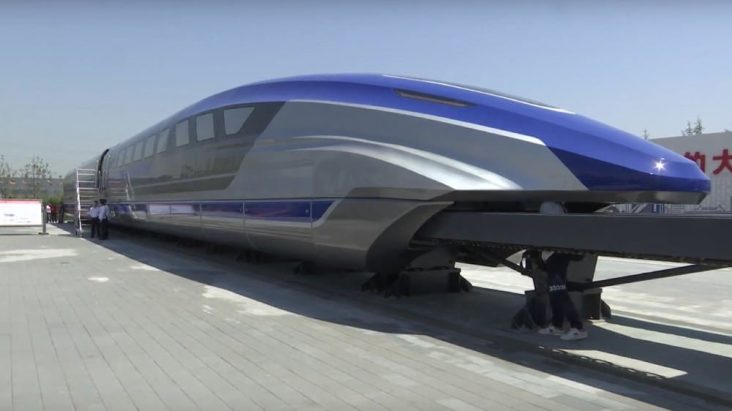
2. Shanghai Maglev (China)
Embodying the pinnacle of magnetic levitation technology, the Shanghai Maglev raceways soar above the ground at an astonishing 431 km/h (268 mph). Linking Longyang Road in Shanghai to Pudong Airport, this marvel is not only the fastest train in commercial service but also a unique embodiment of futuristic transport. Passengers are whisked away in an almost silent journey, as levitation negates friction, delivering both swift passage and an exhilarating ride.
3. CR400AF/BF (China)
Part of China’s burgeoning high-speed rail system, the CR400AF and CR400BF trains are capabilities exemplified. With their max speeds reaching 350 km/h (217 mph), these sleek machines navigate the intricate rail lines crisscrossing the nation. The trains are equipped with advanced technology for seamless operations and passenger comfort, ensuring a journey that is not just speedy but also remarkably safe. Their design features a double-headed front that enhances aerodynamics, reducing wind resistance.
4. TGV POS (France)
The TGV POS, a flagship of France’s high-speed train service, boasts a remarkable speed of 320 km/h (199 mph). Not only is it celebrated for its punctuality, but it also exemplifies comfort and luxury. This train connects Paris to the larger nation, creating an accessible method of travel that offers travelers stunning views of the French countryside. Its engineering prowess emphasizes efficiency while ensuring the intrinsic beauty of the journey remains intact.
5. KTX Sancheon (South Korea)
The KTX Sancheon is South Korea’s contribution to the league of high-speed railways, achieving speeds of up to 305 km/h (190 mph). This train is a symbol of technological sophistication, seamlessly integrating modern aesthetics with robust performance. Running primarily between Seoul and Busan, the KTX Sancheon provides an exceptional travel experience, replete with reclining seats and panoramic windows—making it an exemplary choice for both business and leisure travelers.
6. Eurostar e320 (United Kingdom/Europe)
Connecting London to continental Europe via the Channel Tunnel, the Eurostar e320 is a noteworthy contender, reaching speeds of 300 km/h (186 mph). This elegant train combines style and speed, offering travelers a unique opportunity to experience transnational journeys in comfort. With its spacious seating and onboard services, the Eurostar transforms routine commutes into leisurely escapades, fostering a seamless connection between cultures.
7. Frecciarossa 1000 (Italy)
An emblem of Italian design and innovation, the Frecciarossa 1000 boasts a maximum speed of 400 km/h (249 mph), although it typically operates at speeds of up to 300 km/h (186 mph) in commercial service. This train is a blend of luxury and technology, featuring ultra-modern carriages designed for comfort and efficiency. It connects major cities including Milan, Rome, and Florence, each leg of the journey an opportunity to relish the nuances of Italian life.
8. AVE S-103 (Spain)
The AVE S-103 is Spain’s flagship high-speed rail, achieving operational speeds of 310 km/h (193 mph). This train exemplifies the beauty of Spanish engineering and extensive rail networks, linking major cities like Madrid and Barcelona with unmatched speed. The interiors offer comfort and convenience, making rail travel a pleasurable alternative to flying, especially for shorter distances.
9. Zefiro 380 (Italy)
The Zefiro 380, crafted by AnsaldoBreda, has reached impressive speeds of up to 380 km/h (236 mph) in tests. Although it typically operates at slightly lower speeds, this train represents a significant step forward in Italian high-speed rail technology. With a lightweight design and advanced aerodynamics, the Zefiro offers extensive travel options across Italy, merging innovation with usability.
10. Talgo 350 (Spain)
Last but certainly not least, the Talgo 350 showcases fascinating engineering with its unique articulated design, facilitating speeds of up to 350 km/h (217 mph). Primarily in service on Spain’s high-speed rail network, the Talgo combines elegance and functionality, boasting aerodynamic contours that enhance efficiency while providing passengers with a comfortable, spacious environment. This train epitomizes the future of rail travel, marrying speed with a rich cultural experience.
Through the lens of these exemplary trains, one cannot help but marvel at the extraordinary achievements of modern engineering. Each journey is not merely a passage from point A to B but an immersive experience defined by innovation and technology. With nations investing heavily in their rail networks, the future of high-speed travel looks resolutely bright.
FAQ
What is the fastest bullet train in the world?
The Shanghai Maglev is currently the fastest commercial bullet train, reaching speeds of 431 km/h (268 mph).
Which countries have the fastest bullet trains?
Countries with the fastest bullet trains include China, Japan, France, Italy, Spain, South Korea, and the United Kingdom.
What technology enables the high speeds of bullet trains?
High-speed bullet trains use advanced aerodynamic designs, magnetic levitation (maglev) technology, and state-of-the-art rail infrastructure to achieve their speeds.
Are bullet trains safe for passengers?
Yes, bullet trains are equipped with advanced safety systems and are considered one of the safest modes of transportation globally.
How do bullet trains improve travel efficiency?
By reaching speeds over 300 km/h, bullet trains significantly reduce travel times between major cities, offering a fast, reliable, and comfortable alternative to air and road travel.






Leave a Reply