
Short Answer
Occupations are an indispensable part of human enterprise, providing essential services, shaping economies, and fostering communities. However, amidst diverse career paths, some professions carry disproportionately high risks. Gripped by danger, they embody the perils of physical labor, unpredictable environments, and the potential for catastrophic outcomes. In this exploration, we delve into the ten deadliest occupations globally, highlighting the inherent hazards and unwavering commitment of those who serve in these roles.
1. Logging Workers
Logging stands at the apex of perilous professions. These workers engage in the arduous task of harvesting timber, often using heavy machinery in treacherous conditions. The combination of falling trees, operating chainsaws, and difficult terrain leads to a staggering injury rate. Ensnared in a world of shifting timber and unpredictable weather, logging workers exhibit unparalleled bravery as they navigate these treacherous woods, confronting risks that would deter the faint-hearted.
2. Fishing and Fishing-Related Workers
Commercial fishing is fraught with inherent dangers, with unpredictable weather, perilous waters, and heavy equipment creating a volatile work environment. Fishermen confront a multitude of threats, from capsizing vessels to entanglement in fishing gear. The remote nature of this occupation often leaves workers cut off from immediate emergency assistance, compounding the severity of accidents that occur at sea. Their resilience mirrors the churning tides as they brave the depths for their catch.
3. Roofers
The profession of roofing holds a precarious position on the hazard scale. Roofers labor at dizzying heights, installing materials and repairing structures exposed to the elements. A single misstep can lead to catastrophic falls, and the physical strain of carrying heavy loads can culminate in injuries. The exposure to sun, rain, and extreme temperatures creates a formidable working environment that tests both skill and nerve. Despite these challenges, roofers ascend daily, crafting shelters that protect us from nature’s fury.
4. Construction Workers
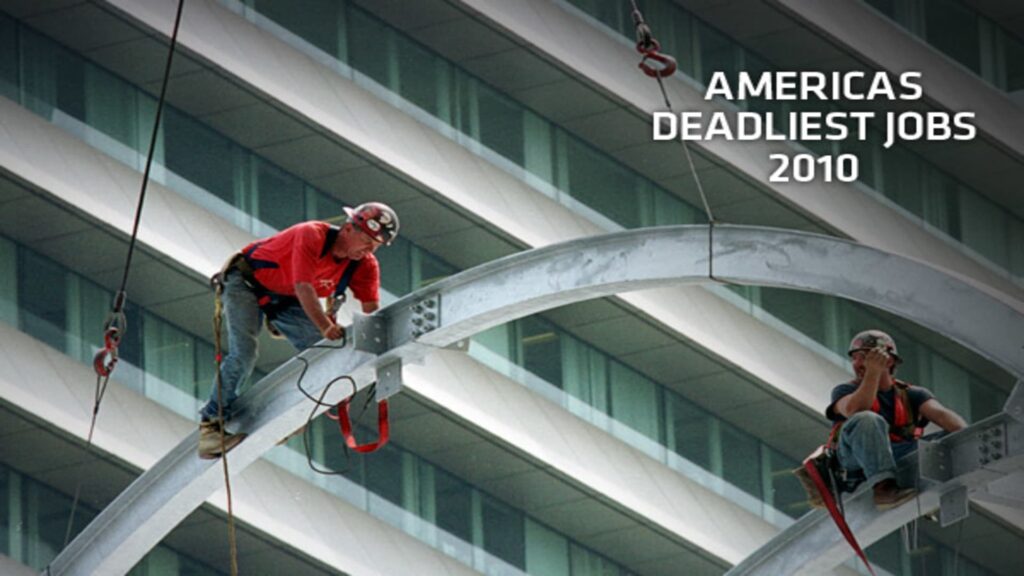
Construction work embodies both the pursuit of progress and a potential death sentence. These laborers are frequently at the forefront of infrastructural development. However, the tools of their trade—heavy machinery, scaffolding, and concrete—pose substantial risks. Falls, electrocutions, and crush injuries pepper their job statistics, illustrating the perilous nature of erecting edifices that will stand for generations. Drenched in sweat and determination, these workers sculpt the landscapes of our cities while confronting the threat of injury.
5. Farmers and Agricultural Workers
The agrarian lifestyle is romanticized, yet farmworkers grapple with unpredictable dangers. With heavy machinery, livestock, and fluctuating weather patterns, agriculture is anything but safe. Hazardous chemicals used in pesticides and fertilizers compound the risks faced on the field. Furthermore, equipment malfunctions and fatigue can lead to severe accidents. In their relentless pursuit of sustenance, these individuals embody the very grit and tenacity that allows civilizations to flourish.
6. Iron and Steel Workers
Fabricators and welders in the iron and steel industry encounter a maelstrom of hazards that arise from extreme heat, heavy materials, and hazardous fumes. The intense environment entails risks of burns, falls, and exposure to harmful substances. The act of forging steel, integral to technological advancement, requires skilled artisans who wield their tools amid the clamor of industrial machinery. Their contributions, while valuable, do not come without significant personal cost.
7. Electrical Power-Line Workers
Power-line technicians inhabit a world suspended between the demands of modern civilization and the dangers of electricity. Working high above the ground, these technicians face electrocution, falls, and severe weather conditions that can turn a routine job into a scene of chaos. The precision required in manipulating live wires demands both expertise and composure, as a single miscalculation may lead to dire consequences. These professionals silently power our lives, bearing the risks amid the towering poles and sprawling lines.
8. Police Officers
Law enforcement officers are entrusted with maintaining public safety, yet the demands of their profession often thrust them into life-threatening situations. Engaging with criminals, responding to emergencies, and navigating volatile environments fosters risks that extend beyond physical confrontations. From vehicular accidents during high-speed pursuits to acts of violence, the uncertainties they face daily paint a sobering portrait of a profession dedicated to service. The commitment to protect and serve is fraught with danger and sacrifice.
9. Firefighters
The valor of firefighters is unrivaled; rushing into the fray, they combat flames, smoke, and the unknown without hesitation. Their role exposes them to burns, smoke inhalation, and structural collapses as they battle the inferno. While they are heavily trained to handle such emergencies, the unpredictable nature of fire can turn a routine call into a life-threatening scenario within moments. Their steadfast resolve to save lives reflects the extraordinary spirit that drives these brave men and women.
10. Mining Workers
Mining holds the unenviable distinction of being one of the most perilous professions, rooted deep within the earth. Workers navigate dark, confined spaces, often with inadequate ventilation, where cave-ins and blasting accidents lurk at every turn. The industry has made strides in safety, yet the inherent dangers of extracting precious metals and minerals remain. Miners embody resilience as they toil below the surface, extracting resources that power our civilization, all the while facing dangers that few can fathom.
In summation, the ten deadliest occupations in the world illuminate the indomitable spirit of human endeavor. Each profession embodies unwavering resolve, navigating through danger and adversity while serving essential societal functions. As they embody both courage and commitment, these individuals deserve our respect and acknowledgment. The risks they encounter remind us of the fragile balance between economic advancement and personal safety, urging us to advocate for improved safety measures and considerations moving forward.
FAQ
What are the deadliest occupations in the world?
The deadliest occupations include logging workers, fishing workers, roofers, construction workers, farmers, iron and steel workers, electrical power-line workers, police officers, firefighters, and mining workers.
Why are logging workers considered the deadliest occupation?
Logging workers face extreme risks due to falling trees, heavy machinery, difficult terrain, and unpredictable weather, leading to a very high injury and fatality rate.
What common hazards do these dangerous jobs share?
Common hazards include falls, heavy machinery accidents, exposure to harsh environments, electrocution, chemical exposure, and working in remote or confined spaces.
How can the safety of workers in these occupations be improved?
Safety can be improved through better training, use of protective equipment, stricter safety regulations, emergency preparedness, and technological advancements to reduce risk.






Leave a Reply