
Short Answer
When it comes to understanding the complex dynamics of malevolent behaviors, the realm of female malignant narcissism presents both intrigue and concern. You might wonder, why do certain individuals manifest such destructive tendencies? This exploration delves into ten distinctive behaviors emblematic of female malignant narcissists, unraveling the psychological underpinnings that inform their actions.
1. Exploitative Nature
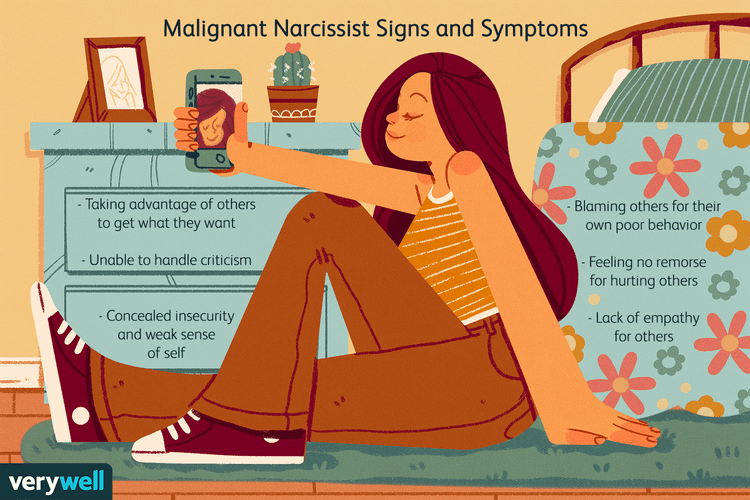
One of the defining characteristics of female malignant narcissists is their profoundly exploitative nature. They often identify individuals they perceive as vulnerable, using them as mere pawns in their intricate personal games. This exploitation is not confined to emotional manipulation but extends to financial and social dimensions as well. The malignant narcissist weaves a narrative that enraptures those around them, drawing on their empathy and goodwill, only to discard them when usefulness wanes.
2. Grandiosity and Self-Importance
In stark contrast to the emotional void that characterizes their psyche is an inflated sense of self-importance. Female malignant narcissists often harbor beliefs of superiority that manifest in a relentless need for validation and admiration. They may dominate conversations, showcasing their achievements, and subtly belittling the accomplishments of others. This constant need for adulation not only confirms their self-image but also reinforces a distorted worldview where they see themselves as elevated above their peers.
3. Manipulative Charm
The art of charm is a weapon frequently wielded by malignant narcissists. They possess an uncanny ability to mask their true motivations beneath a veneer of charisma and allure. This façade can initially be intoxicating; the narcissist may present themselves as the epitome of understanding and support. However, beneath this charming exterior lies a calculating mind adept at maneuvering social situations to ensure their interests prevail, often leaving emotional devastation in their wake.
4. Emotional Deregulation
Notable for their emotional instability, female malignant narcissists often oscillate between extreme elation and intense rage. This unpredictability serves to keep those around them on edge, as they continuously strive to avoid triggering the narcissist’s ire. This emotional deregulation acts as a means of control, where others become entangled in a web of anxiety, perpetually managing their conduct to avoid explosive outbursts.
5. Projection of Blame
In a fascinating twist of psychological dynamics, female malignant narcissists frequently engage in projection, attributing their flaws and shortcomings onto others. This behavior serves as a deflection mechanism, allowing them to evade responsibility for their actions. By wielding manipulation through blame, they successfully create an environment where they are seen as victims, further complicating the emotional landscape of their relationships.
6. Envious and Competitiveness
Jealousy and a sense of competition permeate the mindset of a malignant narcissist. They are often envious of others’ successes—whether professional, personal, or social—and may resort to sabotage to mitigate perceived threats to their own self-image. This rivalry manifests in various ways, often serving as a catalyst for forming toxic relationships and fostering discord, rather than camaraderie. The malignant narcissist sees every achievement by another as a direct affront to their inflated self-view.
7. Gaslighting Techniques
Gaslighting, a psychological manipulation tactic, is a hallmark of the female malignant narcissist’s repertoire. By intentionally distorting reality and invoking doubt in their victims’ perception, they render their targets unsure of their own experiences and feelings. This insidious manipulation not only undermines the victim’s self-confidence but also consolidates the narcissist’s power, instilling in others a looming sense of confusion and helplessness.
8. Lack of Empathy
A profound inability to empathize characterizes these individuals. For female malignant narcissists, the feelings and experiences of others are often irrelevant, as their primary focus revolves around themselves and their needs. They fail to recognize the emotional turmoil they cause others, which leads to relationships devoid of genuine connection or compassion. This lack of empathy shapes their world in starkly selfish hues, where empathy is a commodity that they rarely, if ever, expend.
9. Relationship Sabotage
The enactment of relationship sabotage often becomes a sport for female malignant narcissists. Whether through creating rifts, sowing discord, or simply withdrawing affection, they disrupt the harmony of their interpersonal connections. This behavior not only reinforces their dominant status but also ensures that those around them remain reliant on their whims and validation. The toll it takes on relationships can be catastrophic, leaving a trail of broken bonds in its wake.
10. Perpetual Victimhood
Lastly, the concept of perpetual victimhood frequently emerges as a defensive mechanism. By portraying themselves as the perpetual target of misfortune and injustice, female malignant narcissists manipulate social dynamics, gaining sympathy from others while evading accountability. This self-victimization damages not only their relationships but also perpetuates their cycle of manipulation and emotional abuse.
In a world where emotional intelligence is increasingly valued, the malignant behaviors of certain individuals challenge the boundaries of interpersonal dynamics. As you navigate your relationships, consider the subtle indicators of malignant narcissism. Could recognizing these traits enable you to build healthier connections while nurturing your own emotional well-being? Reflect on how understanding these behaviors can potentially arm you against emotional manipulation, facilitating more authentic interactions.





Leave a Reply