
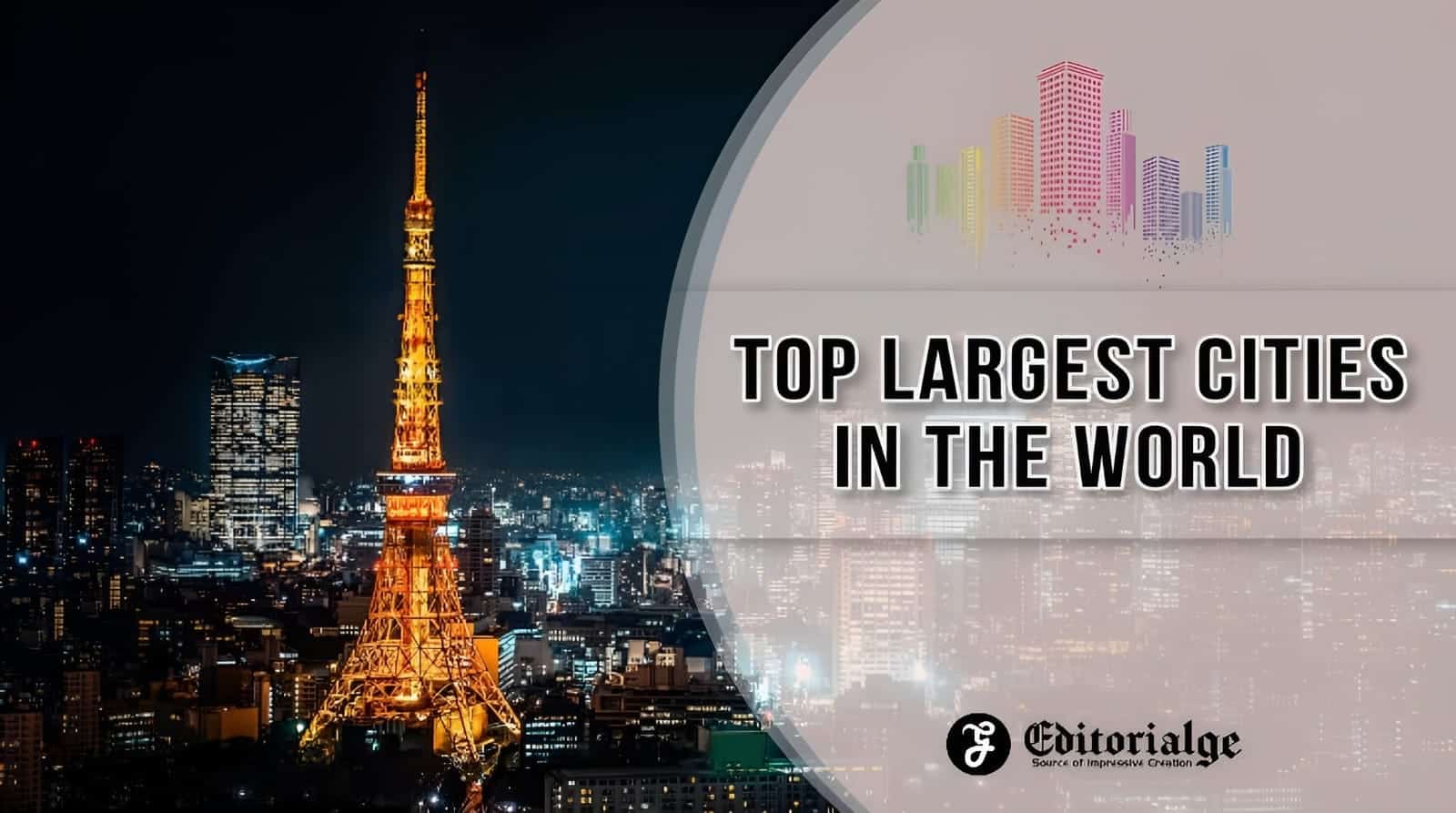
As urbanization accelerates at an unprecedented pace, our planet’s megacities are evolving both demographically and culturally. By 2026, the world will witness a fascinating amalgamation of cultures, economies, and human experiences in some of its most populous cities. Let us delve into the intricate tapestry of the world’s top ten largest cities by population, offering a glimpse into their unique characteristics and the profound implications of their growth.
1. Tokyo, Japan
Often regarded as the epitome of metropolitan sophistication, Tokyo continues to hold its title as the most populous city in the world. With a projected population exceeding 37 million, this sprawling metropolis dazzles with a juxtaposition of ultramodernity and tradition. From the iconic Shibuya Crossing, pulsating with life, to the serene Meiji Shrine nestled amidst lush greenery, Tokyo embodies the harmony between the frenetic pace of urban life and serene contemplation. The city’s inventive culinary scene, unparalleled public transportation, and cultural festivals draw millions of tourists annually and enrich the lives of its residents.
2. Delhi, India
The bustling capital of India, Delhi stands poised to become the second-largest city with an estimated population of around 32 million. An epicenter of culture, politics, and commerce, Delhi is a vibrant mosaic of languages, traditions, and cuisines. The stark contrast between opulent temples of modern infrastructure and the ancient ruins of civilizations past creates a profound, almost poetic, juxtaposition. Its burgeoning tech industry and increasing foreign investment are transforming Delhi into a global hub, while its historical landmarks, such as the Red Fort and India Gate, continue to captivate both residents and visitors.
3. Shanghai, China
As a beacon of rapid economic progress, Shanghai’s population is anticipated to soar to approximately 27 million. This dynamic city epitomizes China’s meteoric rise as a global superpower. The futuristic skyline, dominated by knife-edge skyscrapers like the Shanghai Tower, reveals the city’s commercial prowess. Yet, amidst this concrete jungle lies an intricate network of waterways and traditional neighborhoods, known as ‘Lilongs,’ which showcase a juxtaposition of historical legacies and modern enterprise. Shanghai’s cultural offerings, from its museums to its burgeoning art scene, pulse with the heartbeat of contemporary Chinese identity.
4. Dhaka, Bangladesh
The capital of Bangladesh, Dhaka is a city that embodies resilience, with a projected population nearing 24 million. Known as the “City of Mosques,” Dhaka features an awe-inspiring array of architectural marvels, coupled with a myriad of vibrant markets and street food stalls. However, this thriving urban landscape contends with challenges; infrastructural strain and environmental hurdles loom as significant issues. Nevertheless, Dhaka’s unyielding spirit is epitomized through its bustling bazaars and the rich tradition of the arts, portraying a city that is perpetually in flux yet steadfast in its cultural ethos.
5. Cairo, Egypt
As the capital of Egypt and a historical epicenter, Cairo boasts an estimated population of around 22 million. The city resonates with echoes of ancient civilizations, with the majestic Pyramids of Giza standing as timeless sentinels. Modern Cairo marries its rich heritage with contemporary developments, offering a multifaceted urban experience. The vibrant street culture, infused with lively markets and delectable Egyptian cuisine, contributes to an atmosphere rich in sensory experiences. Cairo is not just a city; it’s an unfurling narrative of millennia that continues to evolve.
6. Mumbai, India
India’s financial capital, Mumbai, with a population projected to exceed 23 million, serves as a microcosm of humanity’s complexities. A city where gleaming skyscrapers stand in stark contrast to informal settlements, Mumbai is a domain of opportunity and struggle. Known for its film industry, Bollywood, and a rich tapestry of languages and cultures, the city pulsates with ambition. From the tranquil Marine Drive, where the sea meets the urban sprawl, to the eclectic street art decorating its walls, Mumbai is a vivid illustration of resilience and creativity, teeming with stories waiting to be unveiled.
7. Beijing, China
With a population nearing 22 million, Beijing represents a pivotal intersection of history and futurism. The city is a living museum; the Great Wall and the Forbidden City are testaments to its storied past. Meanwhile, modern infrastructure and a burgeoning technology sector illustrate the trajectory of a city looking forward. Cultural festivals and exquisite culinary offerings propel Beijing into the limelight, making it a crucial nucleus for both tourism and innovation. This wondrous collage ensures that Beijing remains an intellectual and cultural powerhouse in the global arena.
8. Osaka, Japan
Osaka, anticipated to house approximately 19 million residents by 2026, is often overshadowed by Tokyo but has its own unique charm. Renowned for its lively food scene, Osaka brings culinary delights to the forefront, with street food staples like takoyaki and okonomiyaki tempting every palate. The city’s historical significance can be explored through its castles and museums, while its vibrant nightlife and shopping districts pulse with energy. Osaka embodies a distinct vibe, characterized by warmth and hospitality, inviting explorers to uncover the hidden gems within its bustling atmosphere.
9. Chongqing, China
In recent years, Chongqing has risen rapidly in prominence, with a projected population of approximately 15 million. Set along the Yangtze River, this city is known for its rugged terrain and dramatic landscapes. Chongqing embodies an eclectic mix of tradition and modernity; its hot pot cuisine is a culinary phenomenon, attracting food enthusiasts from all over. The city serves as an important logistical hub and boasts one of the fastest economic growth rates in China. This ascent in population reflects the ever-changing dynamics of China’s urban landscape.
10. Istanbul, Turkey
At the crossroads of Europe and Asia, Istanbul’s estimated population of around 15 million serves as a testament to its unique geographic and cultural significance. The city is a melting pot of civilizations, with historical sites like Hagia Sophia and the Grand Bazaar drawing visitors into its rich past. Istanbul’s contemporary art scene and burgeoning tech industry reveal a vibrant modern identity. This harmonious blend of ancient and contemporary paves the way for an exciting cultural dialogue, making Istanbul an exhilarating destination for both residents and travelers alike.
As we glide toward 2026, these cities stand as powerful illustrations of human ambition and innovation. Their growth fronts an array of challenges and opportunities, painting a vivid picture of the future of urban life. Through this lens, we can not only marvel at the sheer scale of these urban landscapes but also ponder the numerous stories woven into the fabric of daily existence within these bustling hubs. Such reflections prompt a deeper appreciation for the complex phenomena that tie humanity together in these magnificent cityscapes.






Leave a Comment