
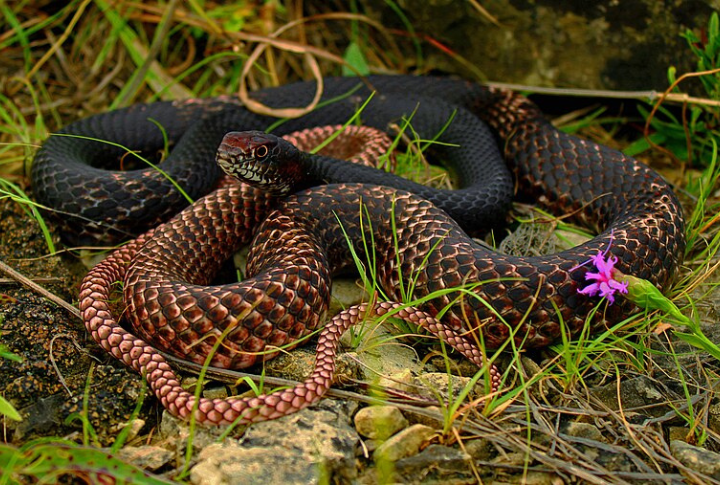
When one envisions the vast and diverse landscapes of the United States, images of majestic mountains, sprawling deserts, and lush forests often come to mind. However, intertwined within these ecosystems are some of nature’s most enigmatic and misunderstood creatures: snakes. These reptiles, often cloaked in myth and often unfairly feared, play a significant role in their respective environments. For the curious souls enchanted by the world of herpetology or those simply looking to unearth more about these slithery beings, let us delve into the top ten states in the U.S. that host the most snakes.
1. Florida
Florida’s balmy climate, dense wetlands, and vast array of ecosystems provide an idyllic habitat for snakes. From the notorious Eastern Diamondback Rattlesnake to the gentle Corn Snake, the Sunshine State harbors a rich diversity of serpents. Florida is particularly known for its unique invasive species, such as the Burmese Python, which has thrived in the Everglades, drawing interest and concern alike. The state’s warm temperatures and abundant food sources create a veritable Eden for these reptiles, making it a top contender in the snake enthusiasts’ arena.
2. Texas
Being the second-largest state, Texas arguably holds the crown for the most diverse range of snake species. With approximately 105 different types of snakes slithering through its varied landscapes—ranging from deserts and prairies to forests—Texas is a haven for these reptiles. The state showcases everything from the fearsome Western Diamondback Rattlesnake to the harmless Garter Snake. Its vast and varied ecosystems ensure an optimal environment for snakes to thrive, captivating both amateur naturalists and seasoned herpetologists.
3. California
California’s eclectic geography, stretching from rugged coastal cliffs to arid deserts, is home to an array of snake species. The state boasts over 50 species, including the infamous Western Rattlesnake and the vividly colored California Kingsnake. These serpents elegantly navigate through the dense underbrush of the coastal ranges and the scorching heat of the Mojave Desert, showcasing their adaptability. Nature lovers are often intrigued by the unique characteristics and habitats of California’s serpentine inhabitants.
4. Arizona
Arizona is a mecca for snake aficionados, with a rich assortment of species dwelling within its arid landscapes. The state is renowned for its signature rattlesnakes, particularly the Mojave Rattlesnake, that thrive in its diverse terrains. Both the Sonoran Desert and the mountainous regions provide ideal habitats for these reptiles. The stark contrast of landscapes facilitates a myriad of adaptations, making Arizona a fascinating study for those intrigued by snake behavior.
5. Georgia
Georgia, with its warm climate and verdant environments, serves as a refuge for a myriad of snake species. From the vibrant Eastern Indigo Snake to the elusive Cottonmouth, Georgia’s rich biodiversity captivates nature enthusiasts. Its wetlands, forests, and coastal regions culminate in a perfect setting for snakes, each contributing to the region’s ecological balance. The unique ecosystems present in Georgia allow for a remarkable range of adaptations among its squamate inhabitants.
6. North Carolina
North Carolina’s varied landscapes—from coastal marshes to dense Appalachian forests—are home to over 30 species of snakes. This state’s serpentine residents include the striking Eastern Coral Snake and the commonplace Black Rat Snake. The juxtaposition of multiple ecosystems within a relatively small area enhances the opportunities for coexistence among various snake species. Such diversity makes North Carolina a captivating locale for snake enthusiasts and researchers alike.
7. South Carolina
With a climate ripe for biodiversity, South Carolina is another state rich in snake life. The Eastern Diamondback Rattlesnake and the harmless Black Racer are among the state’s most notable serpents. The coastal and forested areas present habitats that allow for a plethora of snake species to thrive. Moreover, South Carolina showcases a fascinating interaction between snakes and their environment, further piquing curiosity into their lives.
8. Alabama
Alabama’s lush woodlands and diverse habitats offer sanctuary to over 40 snake species. Among the most intriguing is the Eastern Hognose Snake, known for its theatrical defense mechanisms. The state’s ecosystems range from wetlands to rolling hills, facilitating a variety of environmental adaptations. Alabama is a critical state for understanding snake behaviors within different ecological contexts, presenting opportunities for observation and education.
9. Tennessee
Tennessee’s diverse topography, with its mountainous regions and winding rivers, nurtures a variety of snake species. The Timber Rattlesnake and the harmless Rat Snake frequently call this state home. The ability to observe snakes interacting within such diverse ecosystems offers an unparalleled glimpse into their lifestyle. Tennessee’s natural beauty combined with its dense snake population creates a compelling allure for both researchers and enthusiasts.
10. Louisiana
Finally, the lush bayous and rich wetlands of Louisiana serve as a critical habitat for numerous snake species, including the enigmatic Cottonmouth and the fascinating Louisiana Pine Snake. The humid climate and rich biodiversity not only foster a wide variety of snake life but also create a complex web of ecological interactions. Louisiana’s serpentine residents thrive in harmony with their watery surroundings, adding a layer of intrigue to this final state in our exploration.
In conclusion, the United States presents a remarkable tapestry of states where snakes flourish, each offering unique environments that contribute to the complexity of their ecosystems. From the sun-soaked marshes of Florida to the rugged terrains of Arizona, the diversity of snakes invites wonder and curiosity. By shifting our perspective, we can appreciate the role these creatures play—much beyond their reputation as mere slithering enthusiasts. Whether you are a seasoned herpetologist or an inquisitive observer, these states beckon for exploration, promising an enlightening experience with their serpentine inhabitants.







Leave a Comment