
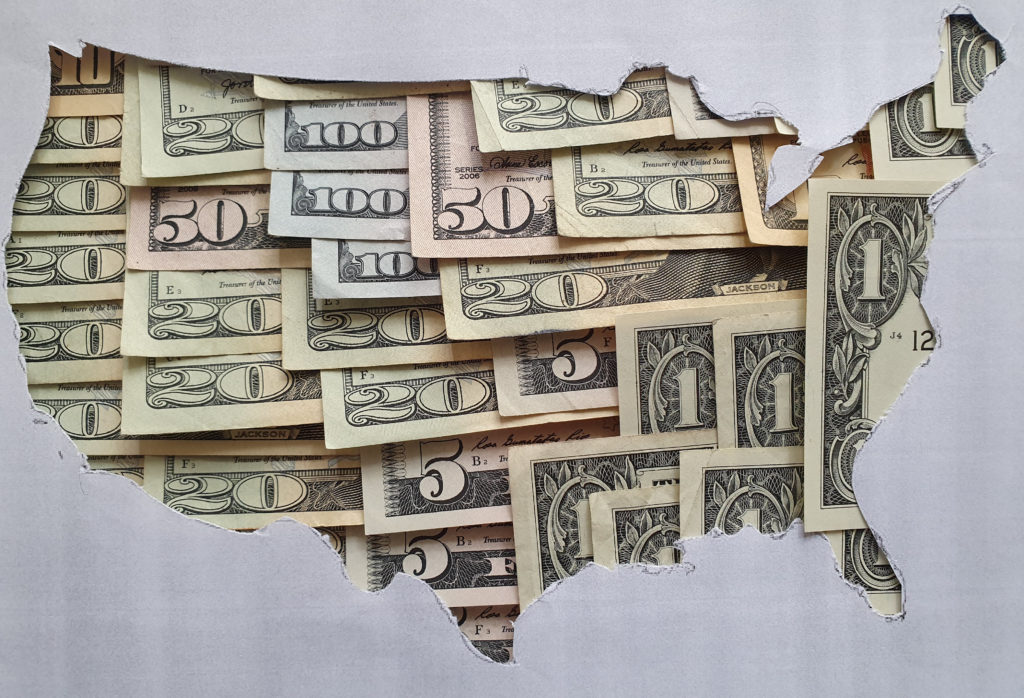
As the economic landscape of the United States continues to evolve, the debate surrounding taxation remains at the forefront of public discourse. High taxes can evoke mixed emotions—while they may charm some with the promise of enhanced public services and infrastructure, others view them as a burden that stifles personal financial growth. Today, we embark on an exploration of the ten states with the highest taxes, seeking to understand the factors that elevate their tax burdens and what this signifies for their residents. Let’s dive into the intricacies of taxation in these states.
1. California
California, often dubbed the “Golden State,” features the highest state income tax rate in the nation, reaching up to 13.3% for its wealthiest residents. This progressive tax structure is primarily designed to fund comprehensive public services, including education, public safety, and social programs. On top of income tax, Californians grapple with high sales taxes and property taxes, all of which converge to create a formidable tax burden. However, many argue that these taxes contribute to the state’s pioneering role in technology, arts, and entertainment, hence sparking intrigue about the value of such investments.
2. New Jersey
New Jersey consistently ranks high on the tax list, touting a top income tax rate of 10.75%. The state’s property taxes are also notoriously the highest in the nation, compelling homeowners to allocate substantial portions of their income toward housing. This fiscal pressure often raises questions about livability and affordability. Yet, New Jersey’s residents benefit from excellent public services and robust infrastructure, instigating discussions about the trade-off between high taxes and quality of life.
3. Oregon
Oregon embraces a unique tax structure that remains predominantly reliant on personal income taxes, which can soar as high as 9.9%. Interestingly, the state does not impose a sales tax, leading to a paradox where income taxes fill the fiscal void. The state’s commitment to social welfare, education, and environmental initiatives conveys an intriguing narrative: high taxes can serve as a vessel for progressive change and innovation.
4. Minnesota
With a top income tax rate of 9.85%, Minnesota stands out for its robust social programs and well-funded educational systems. Diversifying its tax base through sales and property taxes, the state creates a balanced approach to fiscal responsibility. Residents may lament the weight of their tax obligations, yet many express appreciation for publicly funded amenities and services that enhance daily life. How does this balance shape the opinions of its citizens? That remains a question to ponder.
5. Vermont
Vermont, characterized by its charming landscapes and small-town allure, has a progressive tax system that includes a top income tax rate of 8.75%. The state is also known for its substantial property taxes. Residents often invest in maintaining Vermont’s pristine environment through these levies, leading to a largely supportive sentiment regarding taxation. The relationship between high taxes and environmental stewardship provokes deeper contemplation about civic responsibility.
6. New York
New York is often synonymous with high living costs, and its tax regime is no exception. With a top income tax rate nearing 10.9%, combined with local taxes, the overall fiscal footprint can be daunting. The state leverages these funds to support extensive public programs, including health care, education, and infrastructure improvements. This raises the question: do New Yorkers feel that their taxes are an investment in the future of their city? When juxtaposed against phalanxes of skyscrapers, the weight of taxes often melds into the city’s very identity.
7. Connecticut
In Connecticut, the affluence of its residents is reflected in its tax structure, featuring an elevated top income tax rate of 6.99%. The state also imposes considerable property taxes, which can weigh heavily on homeowners. However, the implications of these taxes can lead to a paradox of affluence: while funding superior schools and infrastructure, do these high taxes in turn lead to a soaring cost of living? This dichotomy speaks to the complexity of economic well-being in the Nutmeg State.
8. Rhode Island
Rhode Island’s tax landscape includes a top income tax rate of 5.99%. Although seemingly lower than other states, the cumulative effect of local taxes on property and sales can be quite substantial. This coastal state emphasizes public services, with priorities ranging from education to healthcare. Amidst grim conversations about tax burdens, how might Rhode Islanders view their contribution to fostering communal wellness?
9. Illinois
Illinois presents a flat income tax rate, yet its nuanced blend of property and sales taxes creates a hefty overall tax burden for residents. With debates surrounding pension liabilities and public service funding, tax discussions in Illinois often take center stage. The tension between taxation and fiscal responsibility serves as an incipient force for accountability and reform within governmental structures.
10. Massachusetts
With its storied history and economic prowess, Massachusetts boasts a flat income tax rate of 5%, yet its effective tax rates are bolstered by property and sales taxes. The revenue generated supports an impressive array of public services and educational institutions, leading to high standards of living. However, can the pride in such institutions alleviate the perceived burden of high taxes? The ongoing discourse in Massachusetts begs for a balanced perspective.
In conclusion, the exploration of the top ten states with the highest taxes provides compelling insights into the relationship between taxation and public services. While high taxes can pose challenges for residents, they also facilitate investments in crucial areas such as education, infrastructure, and social welfare. Understanding these dynamics not only reshapes perceptions about the role of taxes but also invites residents to consider the broader implications of their fiscal contributions. As states navigate the complexities of taxation, the conversation remains vital—illuminating the intricate tapestry of public service funding woven into the fabric of everyday life.







Leave a Comment