
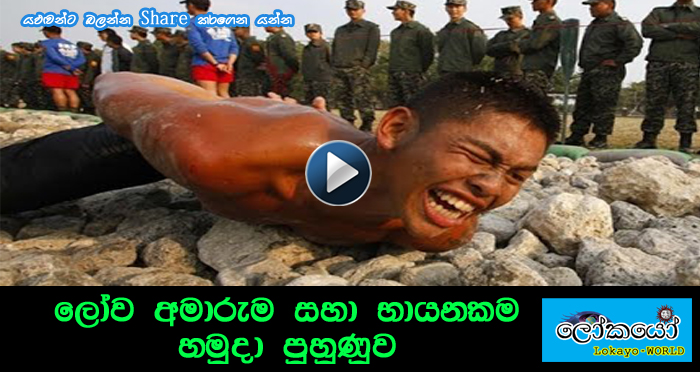
Military training is a rigorous endeavor, designed to forge individuals into the epitome of strength, resilience, and tactical acumen. Across the globe, different nations have developed training programs that test the limits of human endurance and mental fortitude. In this exploration, we delve into the top ten toughest military training programs worldwide, examining the distinct challenges they present, their objectives, and the formidable attributes they instill in participants.
1. United States Navy SEAL Training (BUD/S)
The Basic Underwater Demolition/SEAL (BUD/S) training is infamous for its brutality and intensity. Candidates endure an array of challenges, including the “Hell Week,” which spans five days of continuous exercise designed to push them to their breaking point. Sleep deprivation, cold-water immersion, and team-oriented tasks ensure that only those with unparalleled determination emerge victorious. SEALs are not merely trained soldiers; they evolve into ruthlessly efficient operators capable of executing intricate missions under extraordinarily duress.
2. Russian Spetsnaz Training
The elite Spetsnaz units of Russia are renowned for their extreme training regimes, which encompass physical endurance, martial arts, and survival skills. Spetsnaz recruits undergo a protracted selection process which includes rigorous psychological evaluations and highly demanding physical tests. Courses involve mastering hand-to-hand combat, marksmanship, and difficult navigation techniques, often culminating in real-life combat scenarios. The Spetsnaz philosophy is underpinned by the belief that psychological warfare is as crucial as physical prowess.
3. French Foreign Legion
The French Foreign Legion is perhaps one of the most storied military units, attracting individuals from around the world. Its training is characterized by the famous “Phase One” and “Phase Two” programs, which emphasize physical conditioning, tactical proficiency, and discipline. Recruits must adapt to extreme environments—from the deserts of North Africa to the frigid plains of eastern Europe—testing their adaptability and endurance. The Legion’s ethos of camaraderie and resilience fortifies bonds that last a lifetime.
4. British Special Air Service (SAS) Selection
The SAS selection process is notoriously arduous, designed to weed out those lacking the mettle to thrive in elite units. It commences with a grueling 40-mile march over rough terrain, often completed under stringent time constraints. Candidates are evaluated not only on their physical capabilities but also on their navigation skills and psychological resilience. The SAS is renowned for its emphasis on versatility, operating across various terrains, whether in urban environments or dense jungles.
5. Israeli Defense Forces (IDF) Krav Maga Training
In an increasingly volatile geopolitical landscape, the IDF’s Krav Maga training program stands as a bastion of self-defense and combat readiness. This hand-to-hand combat system is rooted in practical self-defense techniques designed for real-world scenarios. Every recruit faces intense physical conditioning paired with a psychological component, pushing them to harness their instincts in life-threatening situations. This training emphasizes adaptability, requiring soldiers to react swiftly and effectively under pressure.
6. U.S. Marine Corps Boot Camp
The iconic U.S. Marine Corps boot camp is a right of passage that transforms civilians into Marines. Over a three-month period, recruits undergo rigorous physical training, challenging obstacle courses, and intensive tactical drills. The infamous “Crucible,” a 54-hour endurance test, is particularly grueling, simulating the complexities of battlefield conditions. The Marine Corps ethos of honor, courage, and commitment is ingrained through relentless discipline and collective responsibility.
7. Indian Army’s Ghatak Training
Ghatak platoon training in the Indian Army is designed to produce specialized infantry soldiers adept at rapid assault and close-quarter combat. Recruits experience extreme physical exertion, often executing tactical maneuvers in inhospitable terrains. Unconventional warfare tactics and survival skills are honed through exhaustive simulations, which demand both mental acuity and peak physical performance. The covert nature of Ghatak operations emphasizes stealth and the element of surprise.
8. German Kommando Spezialkräfte (KSK)
The KSK training program incorporates intense physical conditioning and psychological assessments, culminating in a selection process that is both exacting and competitive. Candidates undergo extensive combat training, mastering various weapons systems and engaging in complex rescue missions. The program emphasizes team cohesion and strategic planning, ensuring that operatives can work seamlessly under stress. The blend of physical prowess and tactical intelligence is paramount in KSK operations.
9. Chinese People’s Liberation Army (PLA) Training
The People’s Liberation Army training modules focus on a comprehensive approach to militarization that integrates physical fitness and psychological preparedness. Recruits experience a rigorous regimen that includes endurance exercises, marksmanship, and warfare strategy simulations. The PLA’s emphasis on collective discipline and unity infuses recruits with a sense of belonging and commitment to their comrades, critically important in a military often described as vast and intricate.
10. Singapore Armed Forces (SAF) Basic Military Training
Singapore’s approach to military training seeks to build resilient and adaptive soldiers through a systematic regiment of physical conditioning and team-oriented challenges. The Basic Military Training program is known for its diversity, encompassing various training techniques designed to instill discipline and unity among recruits. The emphasis on practical skills, such as weapon handling and combat decision-making, ensures that each soldier is prepared to partake in both domestic security and international peacekeeping missions.
In conclusion, these military training programs are characterized by their unparalleled intensity and focus on endurance, adaptability, and resilience. Each unit uniquely shapes its service members, equipping them with the skills necessary to operate under extreme stress and in life-threatening scenarios. The common thread among them is a commitment to develop not only proficient soldiers but also indomitable warriors, prepared to face any challenge that comes their way. The legacy of these trainings extends beyond the battlefield, imparting lessons of strength, discipline, and camaraderie that resonate throughout life.







Leave a Comment